
Ozempic vs Mounjaro vs Wegovy: The Complete 2026 Guide
Compare Ozempic, Mounjaro, and Wegovy with an updated overview of their features and factors to consider for weight management in 2026.
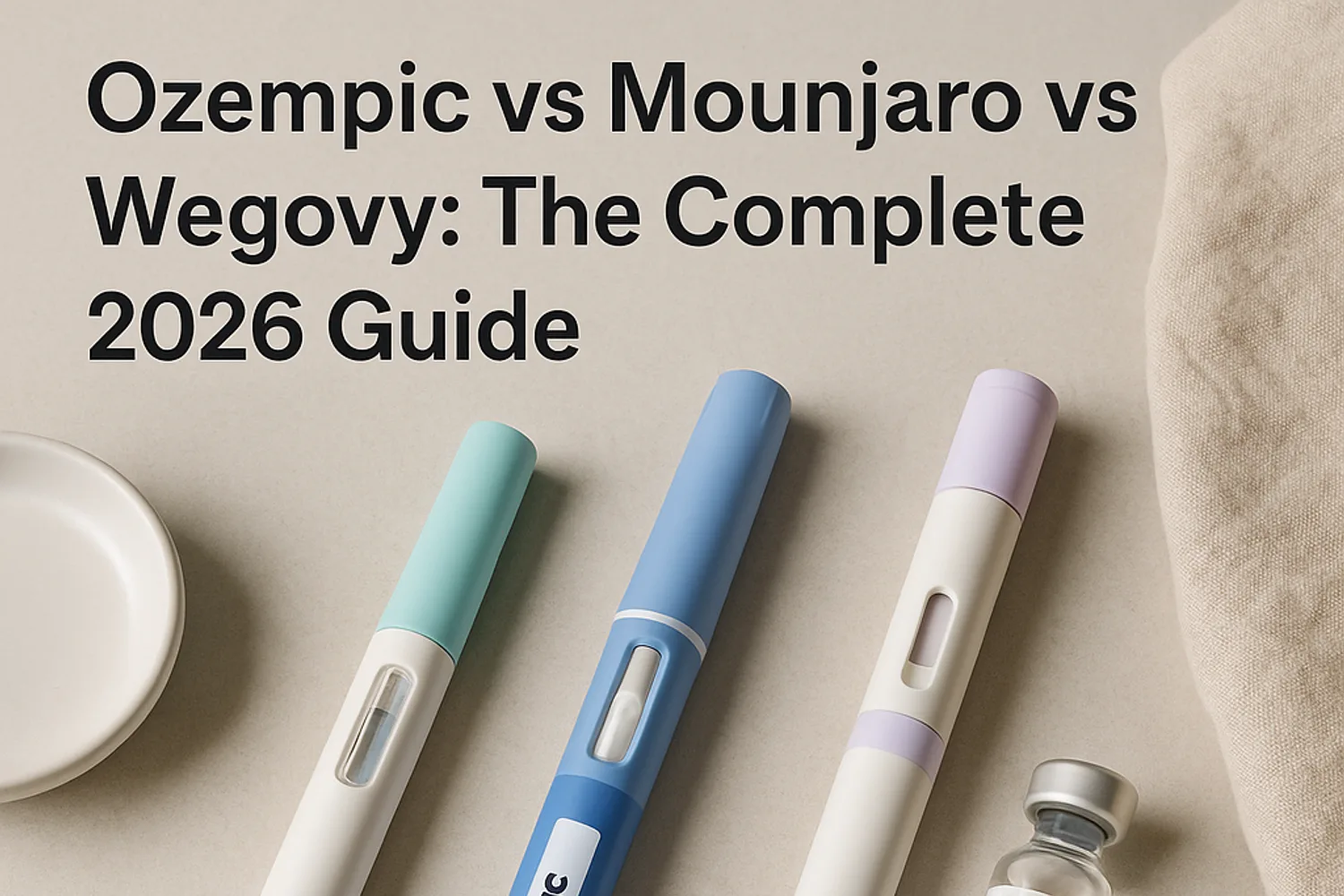
Ozempic, Mounjaro, and Wegovy: A Clear Comparison
In the evolving landscape of health and wellness, three names frequently appear: Ozempic, Mounjaro, and Wegovy. These prescription medications have gained significant attention for their roles in managing type 2 diabetes and supporting chronic weight management. If you're seeking to understand the differences and similarities, this guide offers a straightforward, evidence-aware look at each one.
Navigating health decisions can feel complex, but clear information is the first step toward an empowered conversation with your doctor. This article will break down how these medications work, their approved uses, and what clinical studies have shown. Consult your healthcare provider before starting any medication.
Understanding the Key Players
While often discussed together, these three medications have distinct characteristics, from their active ingredients to their primary approved uses.
What is Ozempic?
Ozempic contains the active ingredient semaglutide. It is a GLP-1 (glucagon-like peptide-1) receptor agonist. It was first approved for medical use to improve blood sugar control in adults with type 2 diabetes, used in conjunction with diet and exercise. It also has a demonstrated benefit in reducing the risk of major cardiovascular events like heart attack or stroke in adults with type 2 diabetes and known heart disease.
What is Wegovy?
Wegovy also contains the active ingredient semaglutide, the same as Ozempic. The key difference lies in its approved use and dosage. Wegovy is specifically approved for chronic weight management in adults with obesity or who are overweight with at least one weight-related condition (such as high blood pressure or high cholesterol). It is formulated in higher doses than Ozempic to achieve this purpose.
What is Mounjaro?
Mounjaro’s active ingredient is tirzepatide. It is the first of its kind, acting as a dual GIP (glucose-dependent insulinotropic polypeptide) and GLP-1 receptor agonist. Like Ozempic, Mounjaro is approved to help manage blood sugar levels in adults with type 2 diabetes. Its dual-action mechanism works on two different pathways involved in appetite regulation and insulin secretion.
Head-to-Head Comparison: How Do They Stack Up?
Understanding the nuances between these medications can help you prepare for a more informed discussion with your healthcare provider.
Active Ingredients and How They Work
The most fundamental difference lies in their mechanism of action.
- Ozempic and Wegovy (Semaglutide): As GLP-1 receptor agonists, they mimic a gut hormone called GLP-1. This helps the body release more insulin when blood sugar is high, slows down digestion (making you feel full longer), and signals to the brain to reduce appetite.
- Mounjaro (Tirzepatide): Tirzepatide activates both GLP-1 and GIP receptors. This dual action is believed to have a complementary effect on blood sugar control and appetite regulation, potentially leading to different outcomes compared to a single-action agonist.
Approved Uses
A medication's approved use, or indication, is what regulatory bodies like the U.S. Food and Drug Administration (FDA) have authorized it to treat.
- For Type 2 Diabetes: Ozempic and Mounjaro are both approved for improving glycemic control in adults with type 2 diabetes.
- For Chronic Weight Management: Wegovy is the one specifically approved for this purpose. While Ozempic and Mounjaro often result in weight loss, their primary indication is for diabetes management. Another tirzepatide-based medication has been approved for weight management under a different brand name.
Efficacy: What the Studies Show
Clinical trials provide the most reliable data on how effective these medications are. Head-to-head studies and individual trials have shown that all three are effective for their intended uses.
In trials for type 2 diabetes, both Mounjaro and Ozempic have demonstrated significant improvements in blood sugar levels and body weight.
For weight management, clinical trials for Wegovy showed substantial weight loss for participants compared to a placebo. Similarly, studies on tirzepatide (Mounjaro's active ingredient) for weight management also demonstrated significant results. Your doctor can discuss the specific findings of these studies and what they might mean for you.
Dosing and Administration
All three medications are administered as a once-weekly injection that patients can typically do at home. They come in user-friendly injector pens. Treatment usually begins with a low starting dose that is gradually increased over several weeks or months. This "titration" process helps the body adjust to the medication and minimizes potential side effects.
Side Effects and Safety Considerations
Like all medications, Ozempic, Mounjaro, and Wegovy have potential side effects. The most common are gastrointestinal in nature and often decrease over time as the body adapts.
Common side effects may include:
- Nausea
- Diarrhea
- Vomiting
- Constipation
- Abdominal pain
It's important to discuss the full safety profile with your doctor. This includes more serious but less common risks, such as a potential risk of thyroid C-cell tumors, pancreatitis, gallbladder problems, and kidney issues. These medications are not suitable for everyone, especially those with a personal or family history of certain thyroid cancers or Multiple Endocrine Neoplasia syndrome type 2 (MEN 2).
Making an Informed Choice
The decision about which medication, if any, is right for you is a personal one that must be made with a healthcare professional. There is no single "best" option for everyone.
Factors your doctor will consider include:
- Your primary health goal: Is it blood sugar control, weight management, or both?
- Your medical history: Do you have type 2 diabetes, heart disease, or other conditions?
- Clinical evidence: Which medication has the most robust data for your specific situation?
- Insurance coverage and access: Availability and cost can be practical considerations.
The Path Forward
These medications are most effective when used as part of a comprehensive plan that includes a balanced diet and regular physical activity. They are tools to support sustainable lifestyle changes, not replacements for them.
Building a long-term health plan is a collaborative journey. By understanding the facts about medications like Ozempic, Mounjaro, and Wegovy, you are better equipped to partner with your medical team to find a safe and effective path. Consult your healthcare provider before starting any medication.
Sources
- Mounjaro (tirzepatide) prescribing information. https://www.accessdata.fda.gov/drugsatfda_docs/label/2025/215866s034lbl.pdf
- Wegovy (semaglutide) Official Prescribing Information. https://www.novo-pi.com/wegovy.pdf
- FDA approval announcement for Zepbound (tirzepatide) for chronic weight management. https://www.fda.gov/news-events/press-announcements/fda-approves-new-medication-chronic-weight-management
- Ozempic (semaglutide) Official Website. https://www.ozempic.com
- Jastreboff, A. M., et al. (2022). Tirzepatide Once Weekly for the Treatment of Obesity. New England Journal of Medicine. https://pubmed.ncbi.nlm.nih.gov/35658024/
- Wilding, J. P. H., et al. (2021). Once-Weekly Semaglutide in Adults with Overweight or Obesity. New England Journal of Medicine. https://pubmed.ncbi.nlm.nih.gov/33567185/
Written by
Dietician / Nutritionist
Health Content Writer
R Mohana Manasa is a Dietician / Nutritionist professional who contributes evidence-informed health and wellness content for WeightEasy.
View profile →Reviewed by
Immunobiologist
Senior Medical Reviewer
Dr Kshama Jain is an Immunobiologist professional who reviews WeightEasy health content for medical and editorial accuracy.
View profile →