
Wegovy Tablets: Complete Guide to Oral Semaglutide for Weight Loss
Comprehensive information on Wegovy tablets, covering oral semaglutide use for weight loss and important considerations for users.
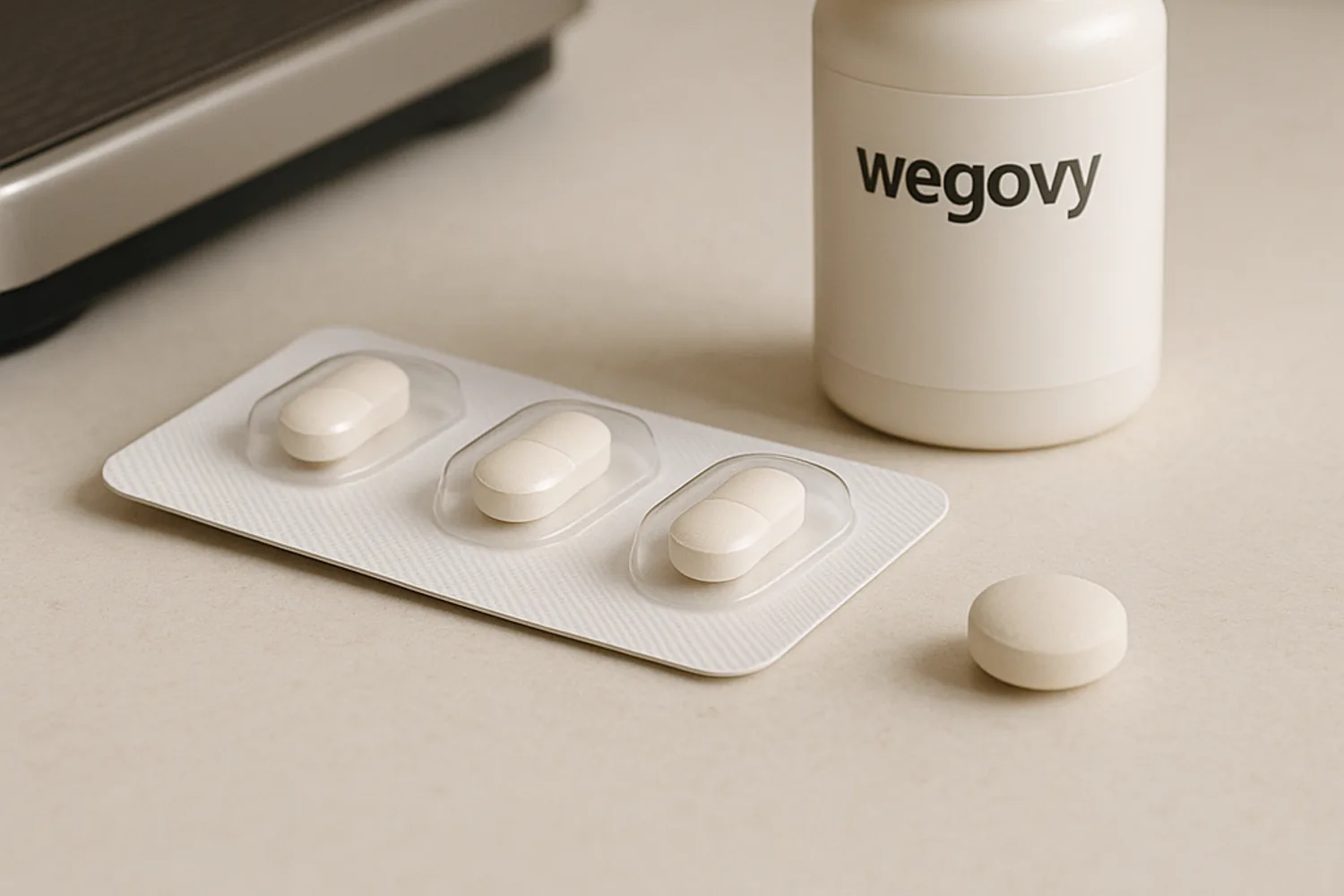
The Future of Weight Management: A Guide to Oral Semaglutide
The journey of weight management is personal and multifaceted, and for many, medical treatments are an important part of the conversation. Injectable medications like Wegovy (semaglutide) have become a significant tool in this space. Now, attention is turning to a new possibility: a pill form of this medication for weight loss.
This guide explores the development of oral semaglutide for chronic weight management, often referred to as "Wegovy tablets." We'll look at the science, what the clinical trials have shown, and what it might mean for the future of weight care, all in a clear and practical way. Consult your healthcare provider before starting any medication.
What is Oral Semaglutide?
Oral semaglutide is a medication that belongs to a class of drugs called glucagon-like peptide-1 (GLP-1) receptor agonists. You may already be familiar with GLP-1 agonists as injectable medications used for both type 2 diabetes and weight management.
The key innovation here is the delivery method. For years, these types of medications had to be injected because they are large molecules that the stomach would typically digest and destroy. Oral semaglutide is formulated with a special absorption-enhancing ingredient that protects it from stomach acid and helps it get absorbed into the bloodstream.
It's important to clarify the terminology:
- Wegovy is the brand name for the injectable form of semaglutide approved for chronic weight management.
- Rybelsus is the brand name for an oral form of semaglutide, which is currently approved at lower doses for managing type 2 diabetes.
- The high-dose oral semaglutide for weight loss has been studied in clinical trials but is not yet widely approved or marketed under a specific brand name globally. This is what people often mean when they say "Wegovy tablets."
How It Works for Weight Management
Like its injectable counterpart, oral semaglutide works by mimicking the effects of the natural GLP-1 hormone your body produces after you eat.
This has a three-pronged effect that supports weight loss:
- It targets the brain: GLP-1 agonists act on the hunger centers in your brain, helping to reduce your appetite and cravings. This can lead to feeling satisfied with smaller portions and a decreased desire to eat.
- It slows digestion: The medication slows down the rate at which your stomach empties. This prolonged feeling of fullness after a meal is a key reason people tend to eat less.
- It influences blood sugar: While a primary mechanism in diabetes treatment, stabilizing blood sugar can also help manage the energy crashes and cravings that sometimes derail weight management efforts.
By combining these effects, oral semaglutide is designed to help you eat fewer calories without feeling constant, gnawing hunger.
What the Clinical Evidence Shows
The potential of high-dose oral semaglutide for weight loss isn't just theoretical. Its effectiveness has been evaluated in large-scale, global clinical trials.
The OASIS 1 trial, for example, studied the effects of a 50 mg daily oral dose of semaglutide in adults with overweight or obesity who did not have type 2 diabetes. The results, published in The Lancet, were significant.
Participants who took the medication, in combination with lifestyle changes, saw a substantial reduction in their body weight over the course of the study—on average, around 15% of their starting body weight. The group that received a placebo and the same lifestyle counseling saw a much smaller reduction.
These findings suggest that the oral formulation, at a higher dose, could offer weight loss results comparable to those seen with injectable semaglutide.
Taking Oral Semaglutide: What to Expect
The way oral semaglutide is taken is very specific and crucial for it to work properly. The instructions are designed to ensure the tablet is absorbed effectively.
Based on the administration of the currently available oral semaglutide (Rybelsus), the instructions are typically as follows:
- Take it on an empty stomach: The pill must be the first thing you consume in the morning upon waking.
- Use a small amount of water: It should be swallowed with no more than 4 ounces (about 120 ml) of plain water.
- Wait before eating or drinking: You must wait at least 30 minutes before eating, drinking anything else, or taking any other oral medications.
Following these steps precisely is essential because food, drink, or other medications can significantly reduce the absorption of semaglutide, making it less effective.
Potential Side Effects and Safety
Like all medications, oral semaglutide has potential side effects. In clinical trials, the most common ones were gastrointestinal in nature.
Common Side Effects
- Nausea
- Diarrhea
- Constipation
- Vomiting
- Abdominal pain
These side effects are often mild to moderate and tend to occur most frequently when starting the medication or increasing the dose. They often decrease over time as the body adjusts.
Important Safety Considerations
There are also more serious but less common risks to be aware of. GLP-1 medications have a boxed warning about a risk of thyroid C-cell tumors based on studies in rodents. It is unknown if this applies to humans. People with a personal or family history of medullary thyroid carcinoma or Multiple Endocrine Neoplasia syndrome type 2 (MEN 2) should not take these medications.
Other serious potential side effects can include pancreatitis, gallbladder problems, and kidney issues. A thorough discussion of your personal and family medical history with your doctor is a critical step in determining if this type of medication is safe for you.
The Bigger Picture: Medication as a Tool
It's important to view medication as one tool within a comprehensive weight management plan. Lasting success is built on a foundation of sustainable lifestyle habits.
This includes:
- A balanced eating pattern: Focusing on nutrient-dense foods like fruits, vegetables, lean proteins, and whole grains.
- Regular physical activity: Finding enjoyable ways to move your body consistently.
- Adequate sleep: Prioritizing rest is crucial for hormone regulation, including those that control appetite.
- Stress management: Developing healthy coping mechanisms for life's challenges.
Medication can make it easier to adopt and stick with these healthy habits, but it doesn't replace them.
Your Next Steps
The development of an effective oral GLP-1 medication for weight loss represents a significant step forward, offering a new option for those who may prefer a pill to an injection. As this medication moves through regulatory review processes around the world, more information will become available.
If you are exploring medical options for weight management, the most important step is to have an open conversation with a qualified professional who understands your unique health profile. They can help you navigate your options and create a safe and effective plan. Consult your healthcare provider before starting any medication.
Sources
- The Lancet: Efficacy and safety of oral semaglutide 50 mg once daily in adults with overweight or obesity (OASIS 1): a randomised, double-blind, placebo-controlled, phase 3 trial - https://www.thelancet.com/journals/lancet/article/PIIS0140-6736(23)01185-6/fulltext
- Novo Nordisk: Novo Nordisk successfully completes phase 3a trial with oral semaglutide 50 mg for weight management - https://www.novonordisk.com/news-and-media/news-and-ir-materials/news-details.html?id=166113
- ClinicalTrials.gov: A Research Study to See How Well Oral Semaglutide Works in People With Overweight or Obesity (OASIS 1) - https://clinicaltrials.gov/study/NCT05035082
- U.S. Food and Drug Administration: Rybelsus (semaglutide) Prescribing Information - https://www.accessdata.fda.gov/drugsatfda_docs/label/2019/213051s000lbl.pdf
- European Medicines Agency: Rybelsus (semaglutide) - https://www.ema.europa.eu/en/medicines/human/EPAR/rybelsus
Written by
Content Writer
Aman Jha is a content writer who contributes evidence-informed health and wellness content for WeightEasy.
View profile →Reviewed by
BDS / MDS
Senior Medical Reviewer
Jude Bencia is a BDS / MDS professional who reviews WeightEasy health content for medical and editorial accuracy.
View profile →