
Semaliv vs Ozempic: Comparison Guide
A practical, evidence-aware guide to semaliv vs ozempic: comparison guide with clear and safe next steps.
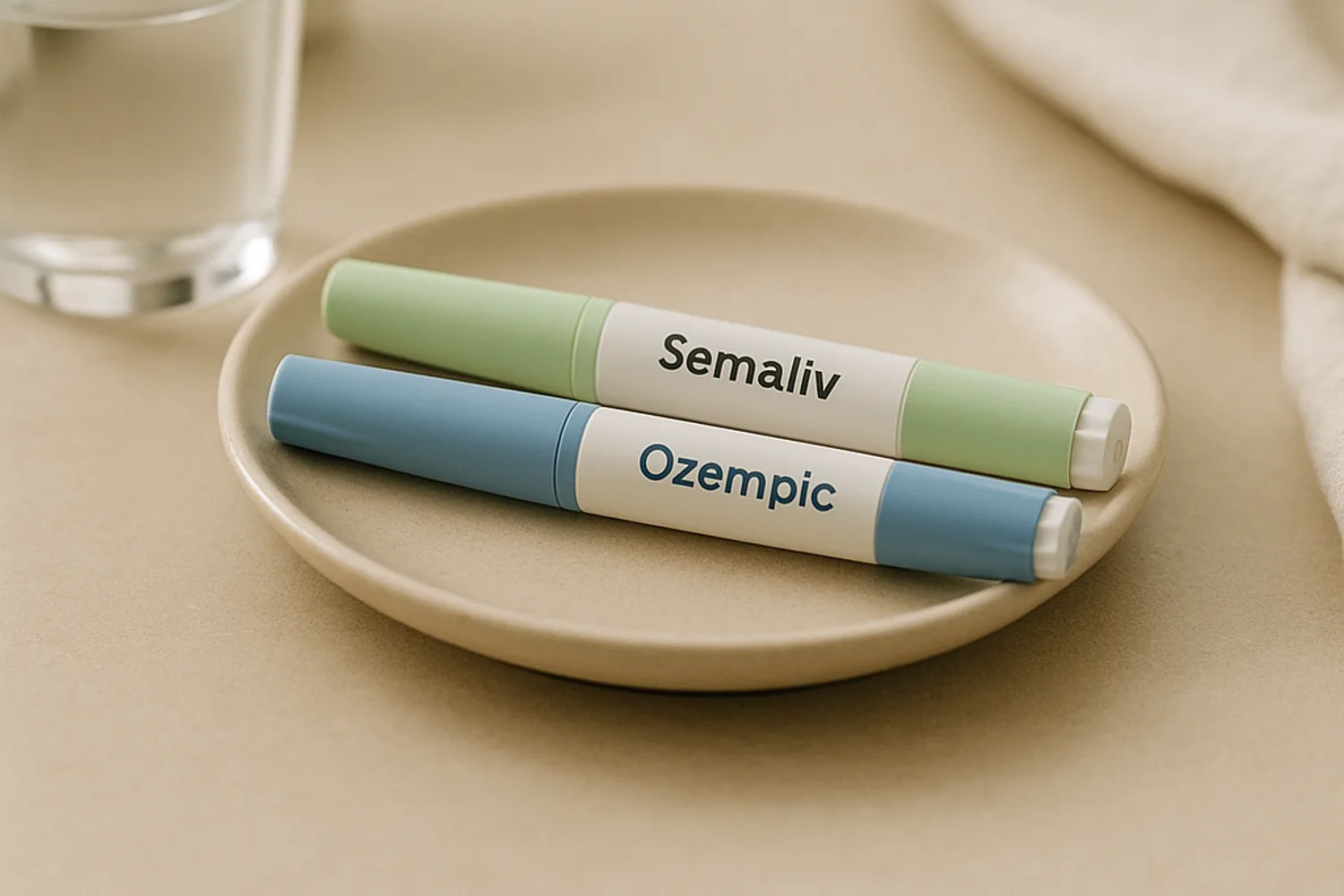
Semaliv vs Ozempic: Comparison Guide
The conversation around health and wellness in India is evolving, with more people seeking information about modern medical treatments. Two names that frequently appear in discussions about managing type 2 diabetes and, increasingly, weight management, are Semaliv and Ozempic. If you're looking to understand the similarities and differences between these two medications, this guide offers a clear, practical overview.
Navigating medical information can be complex, and making decisions about your health is a significant step. This article is designed to provide balanced information, helping you prepare for a more informed conversation with your doctor. Consult your healthcare provider before starting any medication.
Understanding the Active Ingredient: Semaglutide
Before comparing Semaliv and Ozempic, it's essential to understand what they have in common. Both medications contain the same active pharmaceutical ingredient: semaglutide.
Semaglutide belongs to a class of drugs known as glucagon-like peptide-1 (GLP-1) receptor agonists. In simple terms, it works by mimicking a natural hormone in your body that helps to regulate blood sugar levels and appetite. It sends signals to your brain that can make you feel fuller, and it slows down the process of food leaving your stomach.
Because they share the same active ingredient, Semaliv and Ozempic work in the body in the same fundamental way. The differences between them lie not in the drug itself, but in other factors like branding, manufacturing, and regional availability.
Semaliv and Ozempic: What’s the Difference?
While the core component is identical, understanding the distinctions can help you and your doctor decide which, if either, is appropriate for your health plan.
Brand Name and Manufacturer
The most straightforward difference is who makes them.
- Ozempic is the brand name for semaglutide manufactured by Novo Nordisk, a global pharmaceutical company headquartered in Denmark. It's a well-established brand available in many countries worldwide, including India.
- Semaliv is the brand name for semaglutide developed by Akesiss Pharma, an Indian pharmaceutical company. The introduction of Semaliv provides a domestically produced option for patients in India.
Approved Indications in India
In India, the Central Drugs Standard Control Organisation (CDSCO) is responsible for approving medications and their uses.
Both Ozempic and Semaliv are primarily approved as an adjunct to diet and exercise to improve glycemic control in adults with type 2 diabetes mellitus. While the effects of semaglutide on weight are well-documented in clinical studies, its use purely for weight management is often considered an "off-label" prescription, a decision that rests entirely with a qualified medical professional based on a patient's individual health assessment.
Formulation and Delivery
Both Semaliv and Ozempic are administered as a subcutaneous (under the skin) injection, typically once a week. They come in user-friendly, multi-dose injectable pens designed for self-administration after proper training from a healthcare professional.
The available dosage strengths are generally standardised to allow for a gradual increase in dose. A doctor will typically start a patient on a low dose (e.g., 0.25 mg) and slowly increase it over several weeks or months to the target maintenance dose. This helps the body adjust and can minimise potential side effects.
Availability and Access
Both medications are prescription-only drugs in India. You cannot and should not purchase them without a valid prescription from a registered medical practitioner.
- Ozempic, as a global brand, has an established supply chain in India and is available in many pharmacies, subject to stock.
- Semaliv, being a newer, Indian-manufactured brand, is also becoming increasingly available across the country.
The availability of either medication can vary by city and pharmacy, so it's always best to check with your local providers.
Key Considerations When Discussing with Your Doctor
An informed conversation with your healthcare provider is the most critical step. Here are some points to consider and discuss.
Your Complete Health Profile
Your doctor needs a full picture of your health. Be prepared to discuss your medical history, including any past or present conditions related to your pancreas, kidneys, or thyroid. It's also vital to mention any other medications or supplements you are taking to avoid potential interactions.
Potential Side Effects
Like all medications, semaglutide can cause side effects. Most are mild to moderate and often decrease over time as your body gets used to the drug. The most common side effects are gastrointestinal and may include:
- Nausea
- Vomiting
- Diarrhoea
- Constipation
- Abdominal pain
Your doctor can provide strategies for managing these side effects if they occur.
The Role of Lifestyle
It is crucial to view medications like Semaliv or Ozempic as tools, not as standalone solutions. They are most effective when used as part of a comprehensive health plan that includes a balanced diet, regular physical activity, and other lifestyle modifications recommended by your healthcare team. Lasting success comes from a holistic approach to your well-being.
Making an Informed and Safe Choice
Ultimately, the choice between Semaliv and Ozempic—or whether to use semaglutide at all—is a medical decision. Since both contain the same active drug, the key factors in the decision-making process will likely be your doctor’s clinical judgment, availability, and your personal circumstances.
Your health is a partnership between you and your healthcare team. By understanding the facts, you can ask better questions and collaborate on a plan that is safe, effective, and right for you. Whether you are managing type 2 diabetes or exploring options as part of a broader health journey, organisations like WeightEasy are here to support you with evidence-based information.
Remember, self-medicating is dangerous. Consult your healthcare provider before starting any medication.
Sources
Written by
Dietician / Nutritionist
Health Content Writer
Kriti Agarwal is a Dietician / Nutritionist professional who contributes evidence-informed health and wellness content for WeightEasy.
View profile →Reviewed by
Dietician / Nutritionist
Senior Medical Reviewer
Dt Neha is a Dietician / Nutritionist professional who reviews WeightEasy health content for medical and editorial accuracy.
View profile →