
Semavic vs Ozempic: Comparison Guide
A practical, evidence-aware guide to semavic vs ozempic: comparison guide with clear and safe next steps.
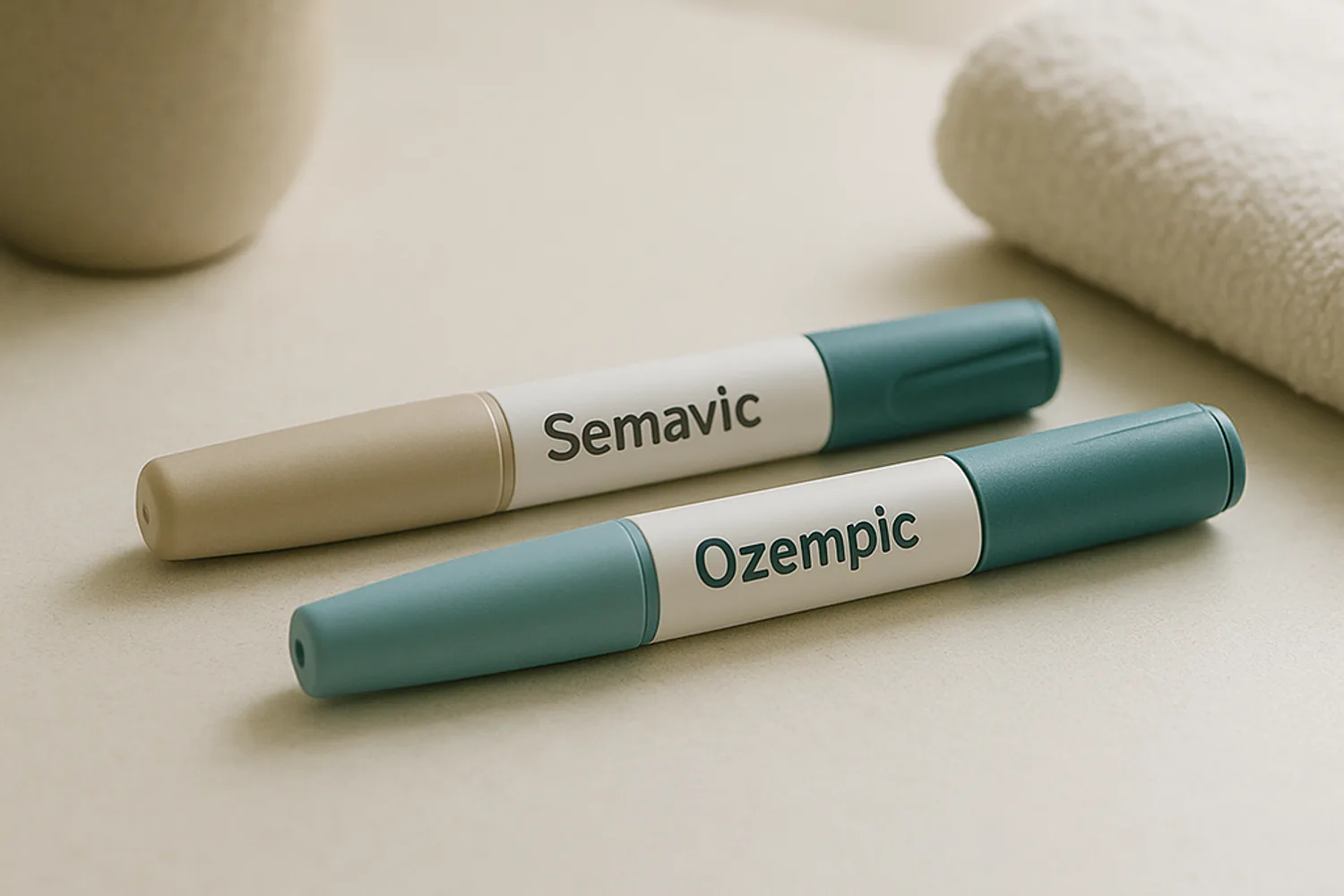
Semavic vs Ozempic: Comparison Guide
In the growing conversation about managing type 2 diabetes and body weight, you may have heard of medications like Ozempic and Semavic. Seeing different brand names for what seems to be a similar treatment can be confusing. This guide is here to offer a clear, practical comparison to help you understand the key similarities and potential differences between these two medications.
Our goal is to provide balanced information so you can have more informed discussions with your healthcare team. Consult your healthcare provider before starting any medication.
Understanding the Active Ingredient: Semaglutide
Before comparing the brands, it’s essential to understand what they have in common: their active ingredient, semaglutide.
Semaglutide belongs to a class of medications known as glucagon-like peptide-1 (GLP-1) receptor agonists. In simple terms, it works by mimicking a natural hormone in your body that helps to regulate appetite and blood sugar.
Here’s a brief overview of how semaglutide functions:
- Blood Sugar Control: It encourages the pancreas to release insulin when blood sugar is high, which is a key function for managing type 2 diabetes.
- Slowing Digestion: It slows down the process of food leaving your stomach. This can help you feel full for a longer period after eating.
- Reducing Appetite: It acts on areas of the brain that control appetite and food cravings, which can lead to eating less.
Because of these effects, semaglutide is approved for the treatment of type 2 diabetes and, in certain formulations and dosages, for chronic weight management in adults with specific health criteria.
Introducing the Brands: Ozempic and Semavic
While both Ozempic and Semavic are brand names for semaglutide, they come from different manufacturers and may have slight variations in their presentation.
Ozempic
Ozempic is a globally recognized brand name for semaglutide, manufactured by the pharmaceutical company Novo Nordisk. It is widely prescribed and has been the subject of extensive clinical trials for its use in managing type 2 diabetes. Ozempic is administered as a once-weekly injection using a pre-filled pen device.
Semavic
Semavic is another brand name for the same active ingredient, semaglutide. While perhaps less known globally than Ozempic, it provides the same medication. Like Ozempic, it is designed to deliver semaglutide to the body to achieve its therapeutic effects. The core of the medication is identical.
The Core Comparison: What’s the Same?
When you look past the packaging and brand names, you’ll find that Semavic and Ozempic are fundamentally very similar.
Active Ingredient and Mechanism
This is the most crucial point: both medications contain semaglutide. This means they work in your body in the exact same way. Their effect on blood sugar, appetite, and digestion is identical because the drug performing the action is the same.
Efficacy and Clinical Outcomes
Because the active ingredient is identical, the expected efficacy for their approved uses should be comparable. The results seen in clinical studies for semaglutide—such as its impact on HbA1c levels (a measure of blood sugar control) and body weight—apply to the active ingredient itself, regardless of the brand name on the box.
Potential Side Effects
The profile of potential side effects is also linked to the active ingredient, not the brand. Common side effects associated with semaglutide include nausea, vomiting, diarrhoea, stomach pain, and constipation. These effects are often mild to moderate and tend to decrease over time as your body adjusts to the medication. The risk profile is the same for both Ozempic and Semavic.
Potential Differences: What to Consider
While the drug itself is the same, there are a few practical differences that could exist between the two brands.
The Delivery Device
Both Ozempic and Semavic typically come in a pre-filled injector pen for subcutaneous (under the skin) injection. However, the design and functionality of these pens can differ. One brand’s pen might have a different dose-setting mechanism, a different needle type, or a feel that a user finds easier or more comfortable to handle. This is often a matter of personal preference and can be a factor in your experience with the medication.
Inactive Ingredients
Medications contain both an active ingredient (the drug itself) and inactive ingredients, also called excipients. These are substances like preservatives or stabilisers that help deliver the drug effectively. While both brands contain semaglutide, they may use different excipients. This is rarely a problem, but in very few cases, a person might have a sensitivity or allergy to an inactive ingredient in one brand but not the other.
Availability
Depending on your location and local pharmaceutical supply, one brand may be more readily available than the other. Your doctor and pharmacist will have the most current information on which medications are available in your area.
How to Make an Informed Choice
The decision between two brands of the same medication is not one you need to make on your own. This is a conversation to have with your doctor, who will consider several factors to recommend the best option for you.
Your doctor will review your overall health, medical history, and treatment goals. They can also demonstrate how to use the specific injection pen for the prescribed brand and provide guidance based on their clinical experience. The most important step is finding a treatment plan that is safe, effective, and right for your individual needs.
At WeightEasy, we believe in supporting your health journey with clear, evidence-based information. Remember that medication is just one component of a comprehensive health plan, which should also include guidance on nutrition, physical activity, and overall well-being. Consult your healthcare provider before starting any medication.
Ultimately, the choice between Semavic and Ozempic often comes down to non-medical factors like the delivery device or local availability, as the core medication providing the therapeutic benefit is exactly the same. Your doctor is your best partner in navigating these choices and ensuring you receive the care that is right for you.
Sources
- https://cdsco.gov.in/opencms/opencms/en/Home/
- https://medlineplus.gov/druginfo/meds/a618008.html
- https://www.nejm.org/doi/full/10.1056/NEJMoa2032183
- https://www.niddk.nih.gov/health-information/weight-management/prescription-medications-treat-overweight-obesity
- https://www.niddk.nih.gov/health-information/diabetes/overview/insulin-medicines-treatments
Written by
Dietician / Nutritionist
Health Content Writer
Malika Goswami is a Dietician / Nutritionist professional who contributes evidence-informed health and wellness content for WeightEasy.
View profile →Reviewed by
Dietician / Nutritionist, Phd scholar
Senior Medical Reviewer
Nishat Anjum is a Dietician / Nutritionist, Phd scholar professional who reviews WeightEasy health content for medical and editorial accuracy.
View profile →