
Track Your Obeda Dose Cycle Without Missing Key Patterns
Find tips for tracking your Obeda dose cycle in India, including monitoring side effects, appetite changes, and weekly patterns for consistency.
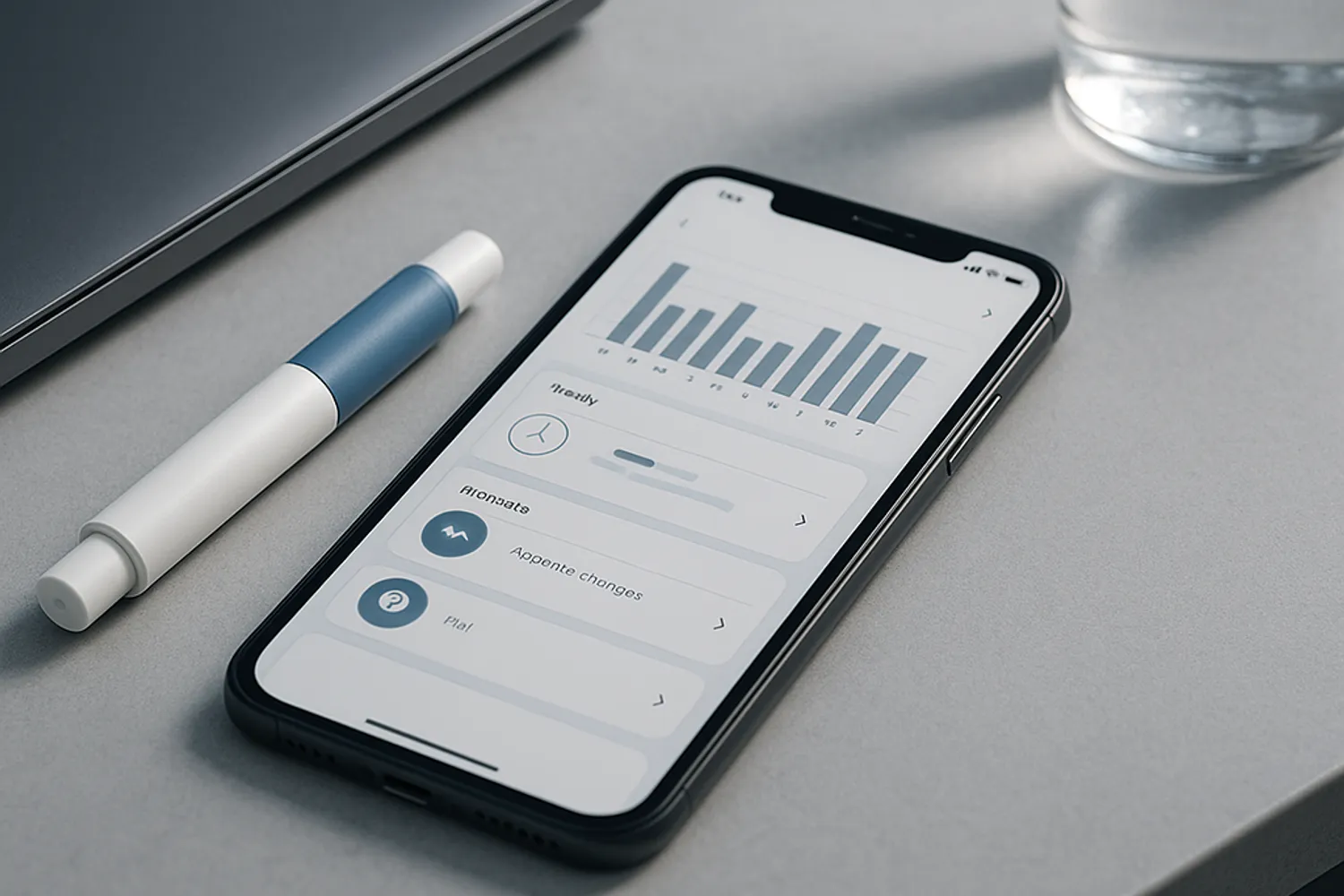
Most people think Obeda success depends only on the dose. In practice, outcomes depend just as much on pattern awareness: when you inject, what happens in the 48 hours after, how appetite changes through the week, and whether side effects are improving or repeating.
If you are taking Obeda and feel your week is unpredictable, this guide gives you a simple tracking system you can actually stick with.
Important: Consult your healthcare provider before starting any medication.
Why dose-cycle tracking matters
Obeda (semaglutide) is a once-weekly medicine. That means you do not just have one continuous experience—you often have a weekly cycle:
- Injection day and next-day response
- Mid-week appetite and energy changes
- End-of-week hunger return for some people
- Different side-effect intensity after each dose increase
Without tracking, these patterns feel random. With tracking, you and your doctor can make better decisions about timing, meal structure, and tolerance.
The minimum data to track each week
Keep this lightweight. Over-tracking causes drop-off.
Track these 8 items:
- Dose details: mg, date, time
- Injection site: abdomen, thigh, upper arm (rotate weekly)
- Appetite trend: low / moderate / high by day
- Side effects: nausea, bloating, constipation, reflux, fatigue (0-10)
- Hydration: approximate daily water intake
- Protein consistency: did you meet your protein target most days?
- Activity: steps or workouts completed
- Weekly weight: same day/time each week, not daily panic-checking
That is enough to reveal useful trends in 2 to 4 weeks.
A simple weekly cycle template
Use the same rhythm every week:
Day 1 (Injection day)
- Record dose and injection site
- Keep meals smaller and slower
- Prioritise hydration
Day 2–3
- Watch for early GI effects (if any)
- Keep food gentle: protein + easy-to-digest carbs + cooked vegetables
- Note appetite drop and fullness response
Day 4–5
- Usually the most stable window for routine
- Keep activity regular
- Log bowel pattern and energy
Day 6–7
- Check if hunger rises near next dose
- Avoid “all-or-nothing” thinking if appetite increases a bit
- Prepare next dose day (supplies, calendar reminder)
The goal is not perfection. The goal is repeatability.
Patterns that are worth flagging to your doctor
Bring these to review visits:
- Nausea that is getting worse after multiple weeks
- Vomiting or poor oral intake
- Persistent abdominal pain
- Constipation lasting despite hydration and fibre changes
- Very low food intake with fatigue or weakness
- Big cycle swings where you overeat at end of week consistently
Tracking gives your clinician concrete data instead of vague memory.
Common mistakes that hide your real progress
1) Only tracking weight
Weight matters, but it is a lagging indicator. Appetite control, meal quality, and consistency usually shift first.
2) Changing too many variables at once
If you change meal plan, activity, and dose timing all together, you cannot tell what helped.
3) Ignoring injection-site rotation
Repeating the same exact spot can increase local irritation. Rotate in a simple sequence.
4) No reminder system
Missed doses often happen due to routine breaks, travel, or weekends. Use calendar reminders and one backup reminder.
5) Judging results too early
Early weeks are about adaptation. Long-term progress comes from consistent cycles, not one “perfect” week.
A practical note on adherence and outcomes
Clinical semaglutide data consistently shows better outcomes with sustained adherence over time, not short bursts of intensity. Your tracker is an adherence tool first, and a weight tool second.
For many people, the best approach is:
- One fixed injection day
- One weekly check-in (10 minutes)
- One monthly review of trends
That alone can dramatically improve consistency.
How WeightEasy can support this
If your biggest challenge is consistency, a structured tracker plus coaching support can reduce decision fatigue. WeightEasy can help you monitor weekly patterns, recognise early warning signs, and stay steady through dose transitions—without making your routine complicated.
The bottom line
Obeda results improve when your week is trackable, not guesswork-driven. You do not need a complex dashboard. A short weekly log is enough to spot the patterns that matter most: appetite rhythm, side-effect triggers, and adherence gaps.
Start simple, stay consistent, and review trends—not just single days.
Consult your healthcare provider before starting any medication.
Sources
- https://www.ema.europa.eu/en/medicines/human/EPAR/wegovy
- https://www.accessdata.fda.gov/drugsatfda_docs/label/2023/215256s007lbl.pdf
- https://pubmed.ncbi.nlm.nih.gov/33567185/
- https://www.thelancet.com/journals/lancet/article/PIIS0140-6736(21)00213-0/fulltext
- MedlinePlus — semaglutide injection: https://medlineplus.gov/druginfo/meds/a618008.html
FAQ
Why should I track my Obeda dose cycle weekly?
Weekly tracking helps you spot patterns early, including side effects after dose increases, appetite shifts, and weight trends. This makes follow-ups with your doctor more useful and supports safer dose decisions.
What should I record after each Obeda dose?
Record dose amount, injection day and time, injection site, appetite changes, side effects, bowel habits, hydration, protein intake, activity, and weekly weight. Keeping it simple but consistent works best.
Is it normal for progress to be slow in the first month?
Yes. The starter dose is mainly for tolerance, not maximum weight loss. Many people see modest change in weeks 1 to 4, then clearer progress as dose and adherence improve.
What if I miss one Obeda dose?
Follow your prescribing instructions and contact your healthcare provider for personalised guidance. In general, timing rules matter, so avoid guessing or doubling doses.
Can tracking reduce side effects?
Tracking does not directly prevent side effects, but it helps you identify triggers like meal size, low hydration, or poor injection timing so you can adjust habits earlier.
Written by
Content Writer
Kripa Mishra is a content writer who contributes evidence-informed health and wellness content for WeightEasy.
View profile →Reviewed by
Ph. D in Food Science and Nutrition
Senior Medical Reviewer
Dr. Shunmukha Priya. S is a Ph. D in Food Science and Nutrition professional who reviews WeightEasy health content for medical and editorial accuracy.
View profile →