
Trusema vs Ozempic: Comparison Guide
A practical, evidence-aware guide to trusema vs ozempic: comparison guide with clear and safe next steps.
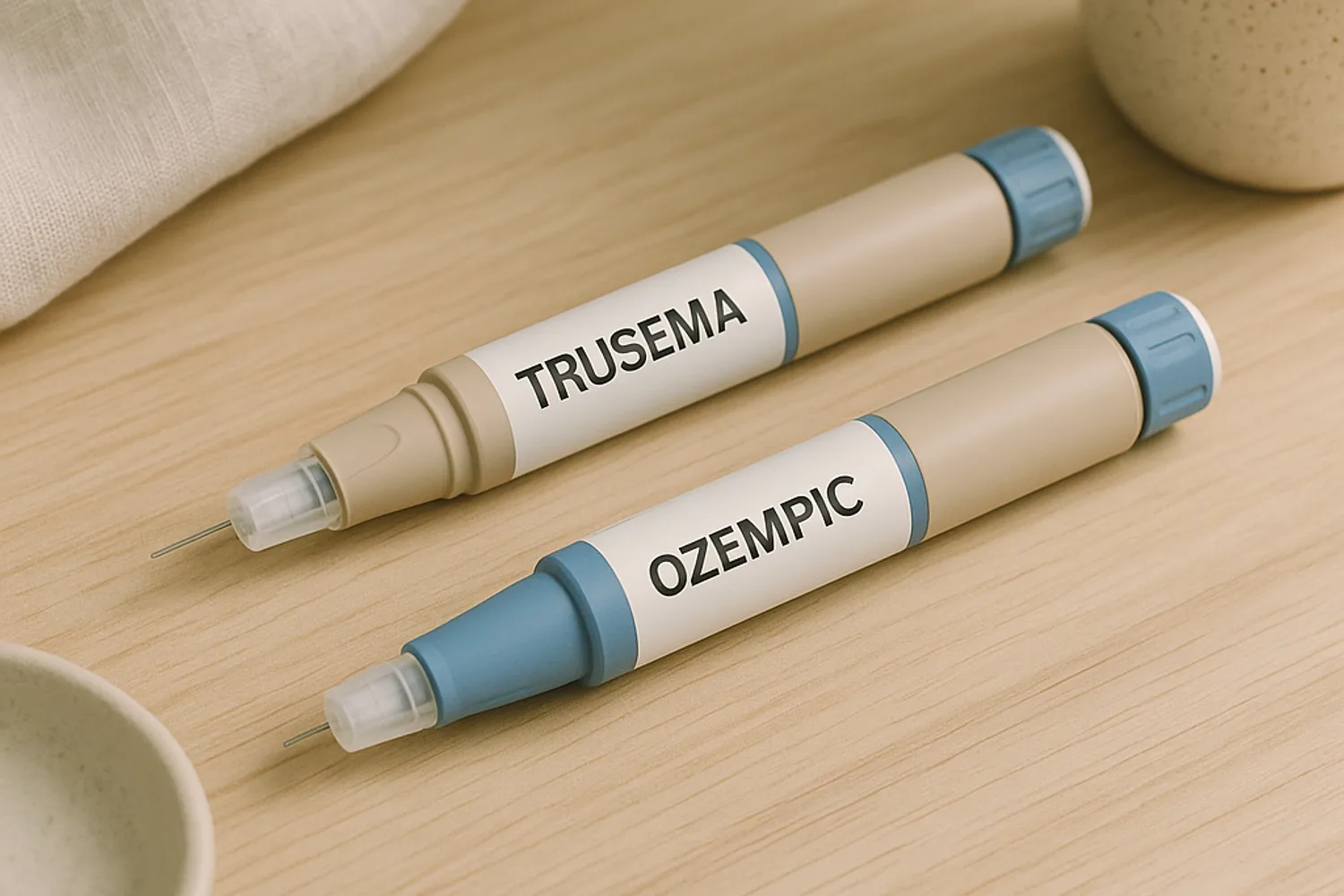
Trusema vs Ozempic: A Comparison Guide
The conversation around managing type 2 diabetes and weight has evolved significantly in recent years, largely due to a class of medications known as GLP-1 receptor agonists. Among the most discussed names are Ozempic and, more recently in India, Trusema. If you're exploring treatment options with your doctor, understanding the relationship between these two medications is a helpful step.
This guide offers a clear, evidence-aware comparison of Trusema and Ozempic to help you prepare for a more informed discussion about your health. Consult your healthcare provider before starting any medication.
What are Ozempic and Trusema?
At their core, both Ozempic and Trusema are brand names for the medication semaglutide. They belong to a class of drugs called glucagon-like peptide-1 (GLP-1) receptor agonists.
These medications are injectable and are primarily used to improve blood sugar control in adults with type 2 diabetes, alongside diet and exercise. They have also gained attention for their effects on weight.
The Key Difference: Original vs. Biosimilar
The main distinction between Ozempic and Trusema lies in their classification.
Ozempic is the original, innovator brand of semaglutide developed by Novo Nordisk. It was the first semaglutide product to undergo extensive clinical trials and receive approval from global regulatory bodies, including India's Central Drugs Standard Control Organisation (CDSCO).
Trusema, launched by the Indian pharmaceutical company Lupin, is a biosimilar of semaglutide.
Understanding Biosimilars
The term "biosimilar" might be new to many. It's not the same as a "generic" drug, which is an identical copy of a simple chemical-based medicine.
Biologic medications like semaglutide are large, complex molecules produced from living organisms. A biosimilar is a biologic that is highly similar to the original, approved "reference product" (in this case, Ozempic).
For a biosimilar to be approved by a regulatory authority like the CDSCO, the manufacturer must demonstrate through rigorous testing that it has no clinically meaningful differences from the original product in terms of safety, purity, and potency. This means you can expect a biosimilar to work in the same way and have the same potential side effects as the original medication.
How Do They Work?
Since both Trusema and Ozempic contain semaglutide, they share the same mechanism of action. Semaglutide mimics a natural hormone in your body called GLP-1, which is released after you eat.
By activating GLP-1 receptors, the medication works in several ways:
- Promotes Insulin Release: It encourages the pancreas to release insulin when blood sugar is high, helping to lower it.
- Reduces Glucagon: It limits the release of glucagon, a hormone that raises blood sugar levels.
- Slows Digestion: It slows down the rate at which food leaves your stomach, which helps control blood sugar spikes after meals and contributes to a feeling of fullness.
- Reduces Appetite: It acts on areas of the brain that regulate appetite, leading to reduced hunger and caloric intake.
Approved Uses in India
In India, semaglutide (both Ozempic and its biosimilars) is officially approved for the management of type 2 diabetes in adults. It is intended to be used as part of a comprehensive care plan that includes a healthy diet and regular physical activity.
While its effect on weight loss is a well-documented outcome of its mechanism, its use solely for weight management may be considered an "off-label" discussion. It's essential to have this conversation with a qualified doctor who can assess your complete health profile.
Administration and Dosage
Both Ozempic and Trusema are administered as a once-weekly subcutaneous (under the skin) injection. Patients are typically taught to self-inject in the abdomen, thigh, or upper arm.
The dosage usually starts low and is gradually increased by the doctor over several weeks or months. This "titration" process helps the body adjust to the medication and minimizes potential side effects. The specific dosing schedule will be determined by your physician based on your individual needs and response to the treatment.
Effectiveness and Clinical Evidence
Because Trusema is a biosimilar, its approval is based on its demonstrated similarity to Ozempic. Therefore, the extensive clinical data from Ozempic's trials on semaglutide is considered applicable.
Numerous large-scale studies, such as the SUSTAIN trial program, have demonstrated semaglutide's effectiveness in:
- Lowering HbA1c: It significantly reduces long-term blood sugar markers in people with type 2 diabetes.
- Promoting Weight Loss: Study participants consistently experienced meaningful weight loss compared to those on placebo or other diabetes medications.
- Cardiovascular Benefits: Research has shown that semaglutide can also reduce the risk of major adverse cardiovascular events (like heart attack or stroke) in individuals with type 2 diabetes and existing heart disease.
Potential Side Effects
As they share the same active ingredient, the side effect profiles for Trusema and Ozempic are expected to be the same. The most common side effects are gastrointestinal in nature, especially when starting the medication or increasing the dose.
Common side effects may include:
- Nausea
- Vomiting
- Diarrhoea
- Constipation
- Abdominal pain
These side effects are often mild to moderate and tend to decrease over time as the body gets used to the medication. More serious side effects are rare but possible. It is crucial to discuss the full safety profile and any potential risks with your healthcare provider.
Making an Informed Choice
The introduction of biosimilars like Trusema can increase access to important medications. The choice between an innovator drug like Ozempic and a biosimilar like Trusema often involves factors such as availability, and the guidance of your healthcare team.
The most important takeaway is that both medications deliver the same active ingredient, semaglutide, and are expected to have the same clinical effect. The decision is not about which one is "better" but which is the right, accessible option for you within your overall treatment plan.
Your health is a personal journey. Arming yourself with clear, factual information is the best way to partner with your doctor to make decisions that are right for you. Remember to discuss your complete medical history, any other medications you are taking, and any concerns you may have.
Consult your healthcare provider before starting any medication.
Sources
- https://www.who.int/news-room/fact-sheets/detail/obesity-and-overweight
- https://medlineplus.gov/druginfo/meds/a618008.html
- https://www.thelancet.com/journals/landia/article/PIIS2213-8587(18)30024-X/fulltext
- https://medicaldialogues.in/news/industry/pharma/indias-semaglutide-market-set-for-generic-boom-as-patents-expire-over-50-brands-lined-up-for-launch-see-full-list-165838
- https://cdsco.gov.in/opencms/opencms/en/Home/
- https://www.ozempic.com/why-ozempic/what-is-ozempic.html
Written by
Dietician / Nutritionist
Health Content Writer
Gurprit kaur is a Dietician / Nutritionist professional who contributes evidence-informed health and wellness content for WeightEasy.
View profile →Reviewed by
BHMS
Senior Medical Reviewer
Dietitian with experience in nutrition counseling, meal planning and promoting healthy lifestyles. Dedicated to help individuals achieve optimal health and well-being through personalized nutrition strategies. Skilled in providing expert guidance for managing conditions like diabetes, weight challenges and Lifestyle management.
View profile →