
What to Eat While Taking Tirzepatide
Get guidance on dietary choices while taking Tirzepatide, with a focus on nutrition that supports weight loss and treatment adherence.
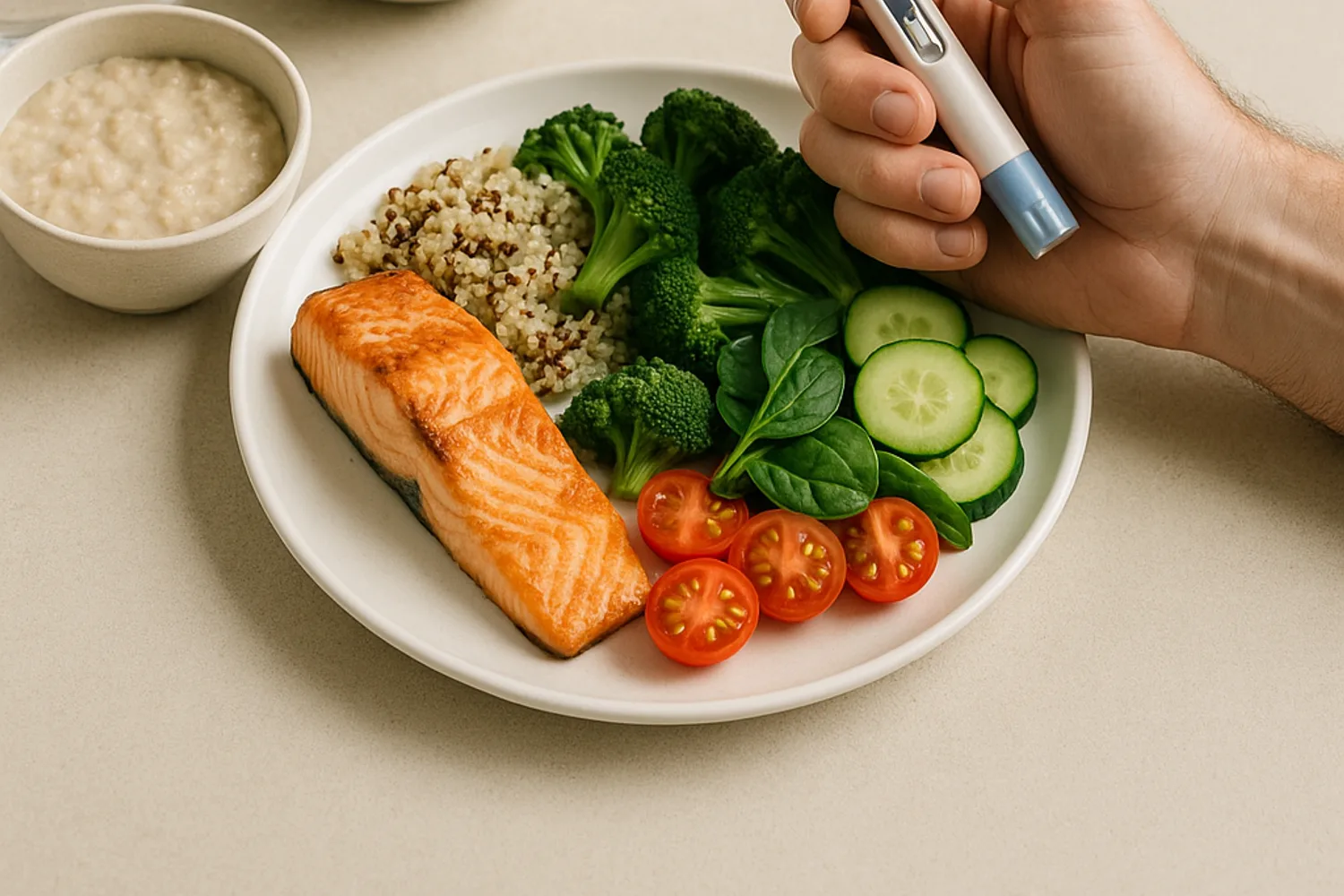
What to Eat While Taking Tirzepatide
Starting a new medication like tirzepatide for type 2 diabetes or weight management is a significant step in your health journey. As your body adjusts, you might wonder how your eating habits should adapt. The good news is there’s no single, rigid "tirzepatide diet." Instead, the focus is on creating a balanced and sustainable eating pattern that works with the medication to support your goals and help you feel your best.
This guide offers practical, evidence-aware information on food choices that can complement your treatment. It's about nourishment, not restriction. By understanding how tirzepatide works and how certain foods can help manage potential side effects, you can build a confident and positive relationship with your plate. Consult your healthcare provider before starting any medication.
How Tirzepatide Changes the Game
Tirzepatide works in part by slowing down how quickly your stomach empties after a meal and by sending signals to your brain that you are full. This is a key reason it's effective for blood sugar control and weight loss.
This change in digestion means you'll likely feel full sooner and stay full longer. It also means that large, heavy, or greasy meals can feel uncomfortable and may lead to side effects like nausea, indigestion, or bloating. The dietary strategies that follow are designed to work in harmony with these changes, helping you get the nutrients you need while minimizing discomfort.
Core Principles for Your Plate
Think of these principles as a flexible framework, not a set of strict rules. The goal is to build meals that are satisfying, nutrient-dense, and easy on your digestive system.
Prioritize Protein
Protein is your powerhouse nutrient while taking tirzepatide. It plays a crucial role in preserving lean muscle mass, which is vital during weight loss. Muscle tissue is metabolically active, meaning it helps burn calories even at rest.
Furthermore, protein is highly satiating, helping you feel full and satisfied after meals. This can make it easier to manage a reduced appetite.
- What to Include: Lean sources like chicken breast, turkey, fish, eggs, and low-fat dairy (Greek yogurt, cottage cheese) are excellent choices. Plant-based options include lentils, beans, tofu, and edamame.
- Simple Tip: Aim to include a source of protein with every meal and snack. This could be a scoop of protein powder in a smoothie, a hard-boiled egg for a snack, or grilled fish for dinner.
Fill Up on Fiber
Fiber is essential for digestive health, and it becomes even more important when dealing with the slowed digestion caused by tirzepatide. It helps promote regularity, which can counteract potential side effects like constipation. Like protein, fiber also contributes to feelings of fullness.
- What to Include: Load your plate with non-starchy vegetables like broccoli, spinach, and bell peppers. Fruits, especially berries, are great sources. Whole grains like oats and quinoa, along with legumes, nuts, and seeds, are also packed with fiber.
- Simple Tip: Increase your fiber intake gradually to allow your digestive system to adjust. Be sure to drink plenty of water, as fiber needs water to work effectively.
Choose Healthy Fats
Fats are a necessary part of a healthy diet, but the type and amount matter, especially on tirzepatide. Large amounts of fatty or fried foods can be difficult to digest and may trigger nausea or acid reflux.
Focus on incorporating small amounts of healthy, unsaturated fats. These support hormone function, brain health, and the absorption of fat-soluble vitamins.
- What to Include: Avocado, olive oil, nuts, and seeds are fantastic sources of healthy fats.
- Simple Tip: Use a tablespoon of olive oil for dressing a salad or have a small handful of almonds as a snack. Pay attention to how you feel, as your tolerance for fat may be lower than before.
Stay Hydrated
Hydration is always important, but it’s a non-negotiable when taking tirzepatide. Drinking enough water helps with digestion, can alleviate constipation, and may reduce feelings of nausea. Sometimes, the body can mistake thirst for hunger, so staying hydrated can also help you better interpret your body’s cues.
- What to Drink: Water is best. Unsweetened herbal tea and clear broths also contribute to your daily fluid intake.
- Simple Tip: Keep a reusable water bottle with you throughout the day as a constant reminder to sip.
Navigating Side Effects With Food
Listening to your body is key. If you experience side effects, simple dietary adjustments can often provide relief.
For Nausea or Indigestion
If you feel nauseous, try eating smaller, more frequent meals throughout the day instead of three large ones. This prevents your stomach from getting overly full. Opt for bland, easy-to-digest foods like crackers, toast, rice, bananas, or chicken broth. Avoid greasy, fried, or overly sweet foods, as these are common triggers.
For Constipation
The one-two punch of fiber and fluids is your best strategy. Make sure you’re consistently eating fiber-rich foods and drinking plenty of water. Gentle physical activity, like a daily walk, can also help stimulate your digestive system.
For Acid Reflux
To minimize reflux, try to avoid lying down for at least an hour or two after eating. Identify and limit personal trigger foods, which often include spicy items, caffeine, chocolate, and very acidic foods like tomatoes or citrus. Eating smaller meals can also reduce pressure on your stomach.
A Sustainable Path Forward
Tirzepatide is a powerful tool, but lasting success comes from building healthy habits that you can maintain for the long term. This journey is an opportunity to learn your body’s new signals of hunger and fullness. Pay attention to these cues and honor them. Mindful eating—slowing down and savoring your food without distraction—can make a world of difference.
Remember, the goal is to create an enjoyable and supportive eating pattern that complements your medical treatment and helps you achieve your health objectives. Progress, not perfection, is the aim. Consult your healthcare provider before starting any medication.
Sources
- U.S. Food and Drug Administration (FDA). (2023). FDA Approves New Medication for Chronic Weight Management. https://www.accessdata.fda.gov/drugsatfda_docs/label/2024/217806s003lbl.pdf
- Cleveland Clinic. GLP-1 Agonists. https://my.clevelandclinic.org/health/treatments/13901-glp-1-agonists
- MedlinePlus, National Library of Medicine. Tirzepatide Injection. https://medlineplus.gov/druginfo/meds/a622051.html
- National Institute of Diabetes and Digestive and Kidney Diseases (NIDDK). (2018). Eating, Diet, & Nutrition for Constipation. https://www.niddk.nih.gov/health-information/digestive-diseases/constipation/eating-diet-nutrition
- Eli Lilly and Company. (2023). Mounjaro (tirzepatide) Medication Guide. https://uspl.lilly.com/mounjaro/mounjaro.html#mg
Written by
Content Writer
Himanshu Lal is a content writer who contributes evidence-informed health and wellness content for WeightEasy.
View profile →Reviewed by
Dietician / Nutritionist
Senior Medical Reviewer
Dt Neha is a Dietician / Nutritionist professional who reviews WeightEasy health content for medical and editorial accuracy.
View profile →