
What to Eat While Taking Semaglutide
Explore dietary advice for individuals taking Semaglutide, focusing on nutrition that supports weight management efforts.
What to Eat While Taking Semaglutide
Taking a medication like semaglutide is a significant step toward your health goals. It’s a powerful tool, but it works best as part of a broader lifestyle approach. A common question that arises is: what should I eat? While the medication helps manage appetite and blood sugar, the food you choose plays a crucial role in how you feel and the results you achieve.
This guide offers a practical look at nutritional strategies that can support your journey with semaglutide. The goal is not a restrictive diet, but a sustainable way of eating that helps you manage potential side effects and nourish your body well. Consult your healthcare provider before starting any medication.
Why Your Diet Matters with Semaglutide
Semaglutide belongs to a class of medications known as GLP-1 receptor agonists. One of its primary actions is to slow down how quickly your stomach empties. This process, called delayed gastric emptying, is a key reason you feel fuller for longer.
Understanding this mechanism helps explain why your food choices are so important:
- Managing Side Effects: Because food stays in your stomach longer, some types—particularly those high in fat or sugar—can lead to discomfort like nausea, bloating, or indigestion. Choosing easier-to-digest foods can help minimize these common side effects.
- Ensuring Proper Nutrition: When you’re eating less, it’s vital that the food you do eat is packed with nutrients. Every meal is an opportunity to give your body the protein, vitamins, and minerals it needs to function well, maintain muscle mass, and keep your energy levels stable.
Building a Semaglutide-Friendly Plate
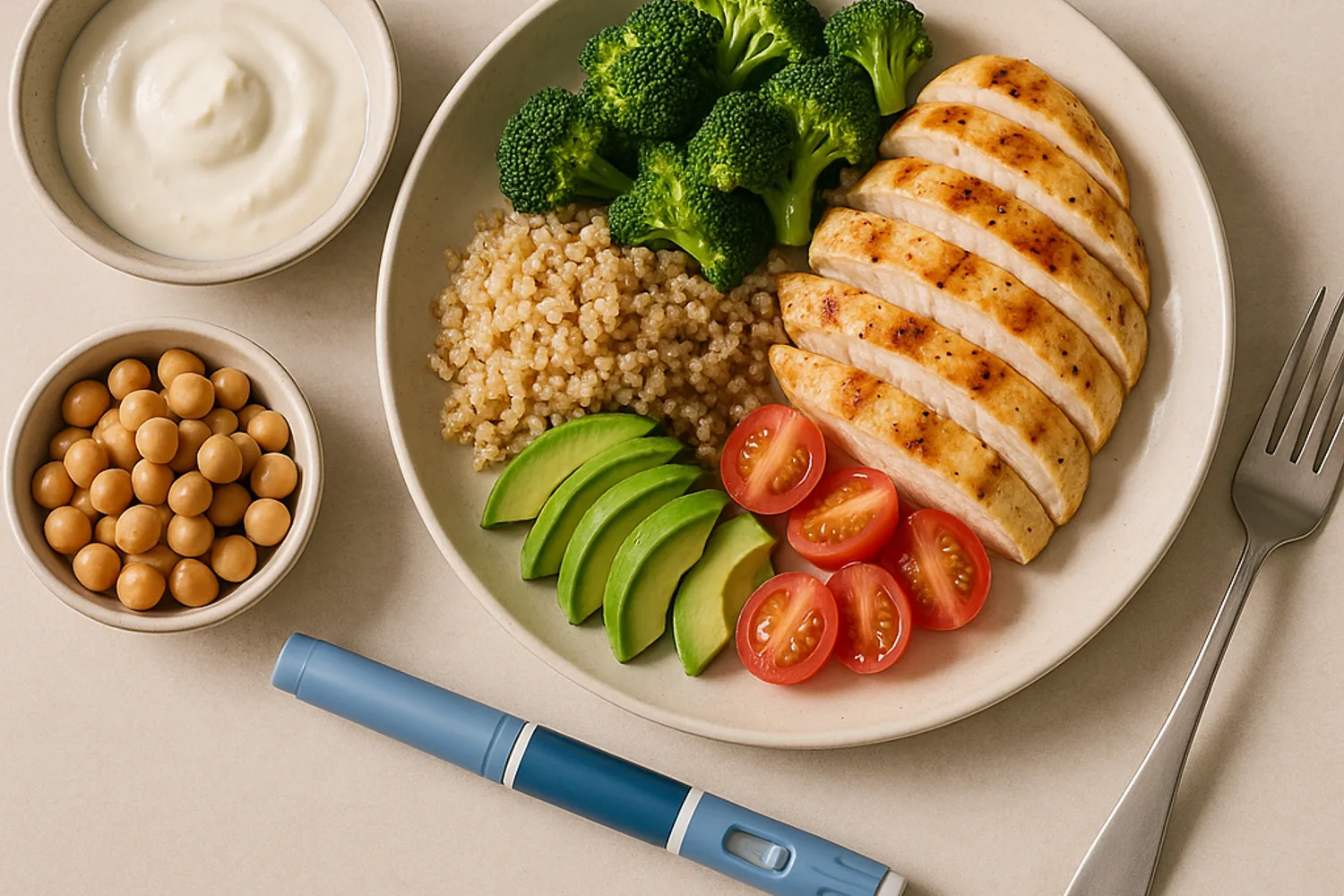
Instead of focusing on what to eliminate, think about what to add to your plate. A balanced approach centered on whole foods is often the most effective and sustainable strategy.
Prioritize Lean Protein
Protein is your best friend on this journey. It’s essential for preserving muscle mass during weight loss, which is critical for a healthy metabolism. Protein is also highly satiating, meaning it helps you feel full and satisfied after a meal.
- What to include: Skinless chicken or turkey, fish (like salmon, cod, and tuna), eggs, lean beef, tofu, lentils, beans, and Greek yogurt.
- Simple tip: Aim to include a source of lean protein in every meal and snack. This could be eggs for breakfast, a grilled chicken salad for lunch, or a handful of almonds for a snack.
Fill Up on Fiber
Fiber, found in fruits, vegetables, and whole grains, is another key component. It aids digestion, helps prevent constipation (a possible side effect), and adds bulk to your meals without adding many calories, contributing to feelings of fullness.
- What to include: A wide variety of vegetables (leafy greens, broccoli, bell peppers), fruits (berries, apples with the skin on), whole grains (oats, quinoa, brown rice), and legumes (chickpeas, black beans).
- Simple tip: If you're new to a high-fiber diet, increase your intake gradually to allow your digestive system to adjust.
Choose Healthy Fats
Fats are a necessary part of a healthy diet, but the type and amount matter, especially when your digestion is slower. Healthy fats support brain health and help your body absorb certain vitamins.
- What to include: Avocado, nuts, seeds, and olive oil.
- Simple tip: Be mindful of portion sizes. A small amount of healthy fat can add flavor and nutrients, but overdoing it might lead to digestive discomfort. For example, use a tablespoon of olive oil for cooking or add a quarter of an avocado to your toast.
Stay Hydrated
Hydration is always important, but it can be particularly helpful while taking semaglutide. Drinking enough water can help with potential side effects like nausea and constipation. It also ensures you don't mistake thirst for hunger.
- What to drink: Water is the best choice. Unsweetened herbal tea, clear broths, and sparkling water are also great options.
- Simple tip: Keep a water bottle with you during the day as a visual reminder to sip consistently.
Foods That May Worsen Side Effects
While no foods are strictly "off-limits," some people find that certain types of foods can trigger or worsen side effects like nausea or indigestion. It’s about listening to your body and noticing what works for you.
Many people find it helpful to be mindful of:
- High-Fat and Fried Foods: Greasy or fried foods (like fast food, rich creamy sauces, and fatty cuts of meat) take a long time to digest and can sit heavily in the stomach, increasing the likelihood of nausea.
- Very Sugary Foods and Drinks: Concentrated sweets and sugary beverages (like candy, pastries, and soda) can be less tolerated by some, potentially causing discomfort.
- Spicy Foods: For some individuals, very spicy dishes may irritate the digestive system. Pay attention to how you feel after eating them.
The key is to observe your own body's response. You may be able to tolerate these foods in small amounts, or you may find it best to limit them while you adjust to the medication.
Practical Tips for Mealtime Success
How you eat can be just as important as what you eat.
- Eat Smaller, More Frequent Meals: Instead of three large meals, you might feel better with four or five smaller ones throughout the day. This can prevent you from feeling overly full and reduce the burden on your digestive system.
- Eat Slowly and Chew Thoroughly: Take your time with each meal. Putting your fork down between bites can help. This gives your brain time to receive fullness signals from your stomach, helping you stop when you’re satisfied, not stuffed.
- Listen to Your Body: Semaglutide will change your hunger and fullness cues. Pay close attention to them. Your new "full" signal may be much more subtle than you’re used to.
- Plan Ahead: Having healthy, easy-to-prepare meals and snacks on hand makes it easier to nourish your body well, even when your appetite is low.
Your Path Forward
Navigating a new medication and a new way of eating is a process of learning and discovery. Be patient and compassionate with yourself. The goal is to build sustainable habits that support your long-term health, not to follow a perfect or rigid diet.
By focusing on nutrient-dense foods, listening to your body, and staying hydrated, you can create a positive eating experience that complements your treatment. Always work closely with your healthcare team to tailor a plan that is safe and effective for you. Consult your healthcare provider before starting any medication.
Sources
https://www.accessdata.fda.gov/drugsatfda_docs/label/2024/215256s011lbl.pdf
- MedlinePlus — semaglutide injection: https://medlineplus.gov/druginfo/meds/a618008.html https://www.wegovy.com/taking-wegovy/side-effects.html https://my.clevelandclinic.org/health/treatments/13901-glp-1-agonists https://www.mayoclinic.org/drugs-supplements/semaglutide-subcutaneous-route/side-effects/drg-20406732
Written by
Content Writer
Himanshu Lal is a content writer who contributes evidence-informed health and wellness content for WeightEasy.
View profile →Reviewed by
Dietician / Nutritionist, Phd scholar
Senior Medical Reviewer
Nishat Anjum is a Dietician / Nutritionist, Phd scholar professional who reviews WeightEasy health content for medical and editorial accuracy.
View profile →