
Semaglu vs Ozempic: Comparison Guide
A practical, evidence-aware guide to semaglu vs ozempic: comparison guide with clear and safe next steps.
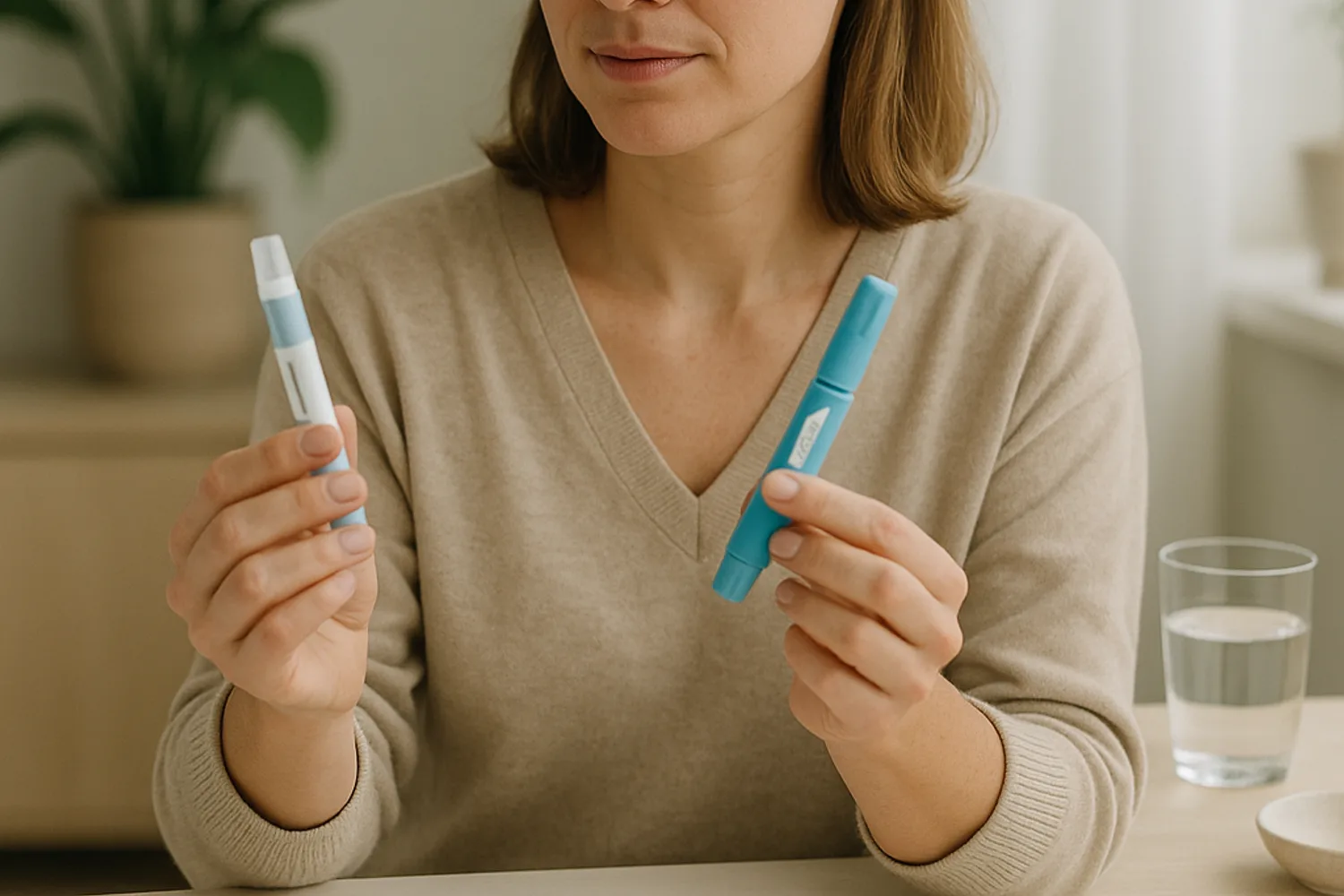
Semaglu vs Ozempic: A Clear Comparison
You've likely heard the names "semaglutide" and "Ozempic" in conversations about health, diabetes management, and weight loss. With so much information circulating, it’s easy to get confused. Are they different medications? Is one better than the other? The good news is that the answer is much simpler than it seems.
This guide is designed to clear up the confusion between "semaglu" (a common shorthand for semaglutide) and Ozempic. We'll explore what this medication is, how it works, and what the different brand names mean for you. Our goal is to provide a practical, evidence-aware overview so you can have a more informed conversation with your doctor. Consult your healthcare provider before starting any medication.
What is Semaglutide?
The best place to start is with the foundation. Semaglutide is the active pharmaceutical ingredient—the core component that produces a medical effect. It is not a brand name itself, but rather the scientific name for the medication found in products like Ozempic.
Semaglutide belongs to a class of medications known as glucagon-like peptide-1 (GLP-1) receptor agonists. That might sound complex, but its function is quite intuitive. It works by mimicking a natural hormone in your body called GLP-1, which is released after you eat.
By acting like this hormone, semaglutide has a few key effects:
How It Works
- Regulates Blood Sugar: It encourages your pancreas to release insulin when your blood sugar levels are high, which is particularly beneficial for people with type 2 diabetes.
- Slows Digestion: It slows down the rate at which food leaves your stomach. This process, known as gastric emptying, helps you feel full for a longer period after meals.
- Reduces Appetite: It works on receptors in your brain that control hunger and fullness, helping to reduce your appetite and curb food cravings.
These combined actions not only help manage blood sugar but also often lead to weight loss, which is why semaglutide has gained significant attention.
Ozempic: The Brand Name You Know
Now, let's talk about Ozempic. Ozempic is simply a brand name for a specific formulation of semaglutide. Think of it like this: paracetamol is the active ingredient, while brands like Crocin or Calpol are the products you buy. In this case, semaglutide is the ingredient, and Ozempic is one of the brand names.
Ozempic is an injectable medication, administered once a week under the skin. It was initially developed and approved in many countries, including India, for the management of type 2 diabetes in adults. Its ability to help with blood sugar control, coupled with its potential cardiovascular benefits and the common side effect of weight loss, has made it a widely prescribed medication.
So, What’s the Real Difference?
The most important takeaway is that you cannot compare "semaglu vs Ozempic" because Ozempic is semaglutide. The real comparison is between the different brands and formulations of semaglutide that are available.
The active ingredient remains the same across these products, but they differ in their approved uses, dosage strengths, and how they are administered. Understanding these differences is key.
Key Formulations of Semaglutide
-
Ozempic (Injectable): As mentioned, this is a once-weekly injection primarily approved for managing type 2 diabetes. The weight loss experienced by users is a well-documented secondary effect.
-
Wegovy (Injectable): This is another brand name for a once-weekly injectable semaglutide. However, Wegovy was specifically studied and approved for chronic weight management in adults with obesity or who are overweight with at least one weight-related health condition. It is often available in higher doses than Ozempic to maximise the weight loss effect.
-
Rybelsus (Oral Tablet): This brand offers semaglutide in a pill form, taken once daily. Rybelsus is a significant development because it provides a non-injectable option. Like Ozempic, its primary approved use is for controlling blood sugar in adults with type 2 diabetes.
So, while Ozempic, Wegovy, and Rybelsus all contain semaglutide, a doctor might recommend one over the other based on your primary health goal (diabetes control vs. weight management), your preference for a daily pill versus a weekly injection, and what is approved and available in your region.
Understanding Efficacy and Side Effects
Since the active ingredient is the same, the potential benefits and side effects are similar across all semaglutide-based medications, though their likelihood can be influenced by the dosage.
Potential Benefits
- Improved Glycemic Control: A primary benefit for individuals with type 2 diabetes.
- Significant Weight Loss: Clinical studies have shown substantial weight loss for many users, particularly at the higher doses used for weight management.
- Cardiovascular Health: Some studies have indicated that semaglutide may reduce the risk of major adverse cardiovascular events, such as heart attack and stroke, in people with type 2 diabetes.
Common Side Effects
Like any medication, semaglutide has potential side effects. The most common are gastrointestinal in nature. These can include:
- Nausea
- Vomiting
- Diarrhoea
- Constipation
- Abdominal pain
These side effects are often most noticeable when you first start the medication or when the dose is increased. For many people, they tend to decrease over time as their body adjusts.
Important Safety Considerations
It's also important to be aware of less common but more serious potential risks, which should be thoroughly discussed with a healthcare professional. These can include pancreatitis, gallbladder problems, and a potential risk of thyroid C-cell tumours. This is why medical supervision is absolutely essential when taking this medication.
Making an Informed Decision
Choosing a medication is a significant decision that should never be made alone. The question isn't which brand is "best" in general, but which medication, if any, is right for you.
This is a decision that must be made in partnership with a qualified doctor who can assess your complete health profile. A doctor will consider several factors:
- Your primary health concern (e.g., managing type 2 diabetes or focusing on weight management).
- Your body mass index (BMI) and any weight-related health conditions.
- Your personal and family medical history.
- Your tolerance for potential side effects.
- Your preference for a daily pill or a weekly injection.
It's also crucial to remember that medications like semaglutide are most effective when used as part of a broader health plan that includes a balanced diet and regular physical activity. Consult your healthcare provider before starting any medication.
Your Path Forward
Hopefully, the confusion between "semaglu" and Ozempic is now clear. Semaglutide is the powerful active ingredient, and Ozempic is just one of the brand names under which it is sold. The real discussion with your doctor will be about whether a GLP-1 medication is appropriate for you and, if so, which specific product, dosage, and formulation best fits your unique health needs.
Navigating your health journey with clear information is the first step toward making empowered choices. At WeightEasy, our goal is to provide clear, evidence-based information to support your conversations with healthcare professionals.
Sources
Written by
BHMS
Senior Medical Reviewer
Dietitian with experience in nutrition counseling, meal planning and promoting healthy lifestyles. Dedicated to help individuals achieve optimal health and well-being through personalized nutrition strategies. Skilled in providing expert guidance for managing conditions like diabetes, weight challenges and Lifestyle management.
View profile →Reviewed by
BDS / MDS
Senior Medical Reviewer
Jude Bencia is a BDS / MDS professional who reviews WeightEasy health content for medical and editorial accuracy.
View profile →