
Semaglura vs Ozempic: Comparison Guide
A practical, evidence-aware guide to semaglura vs ozempic: comparison guide with clear and safe next steps.
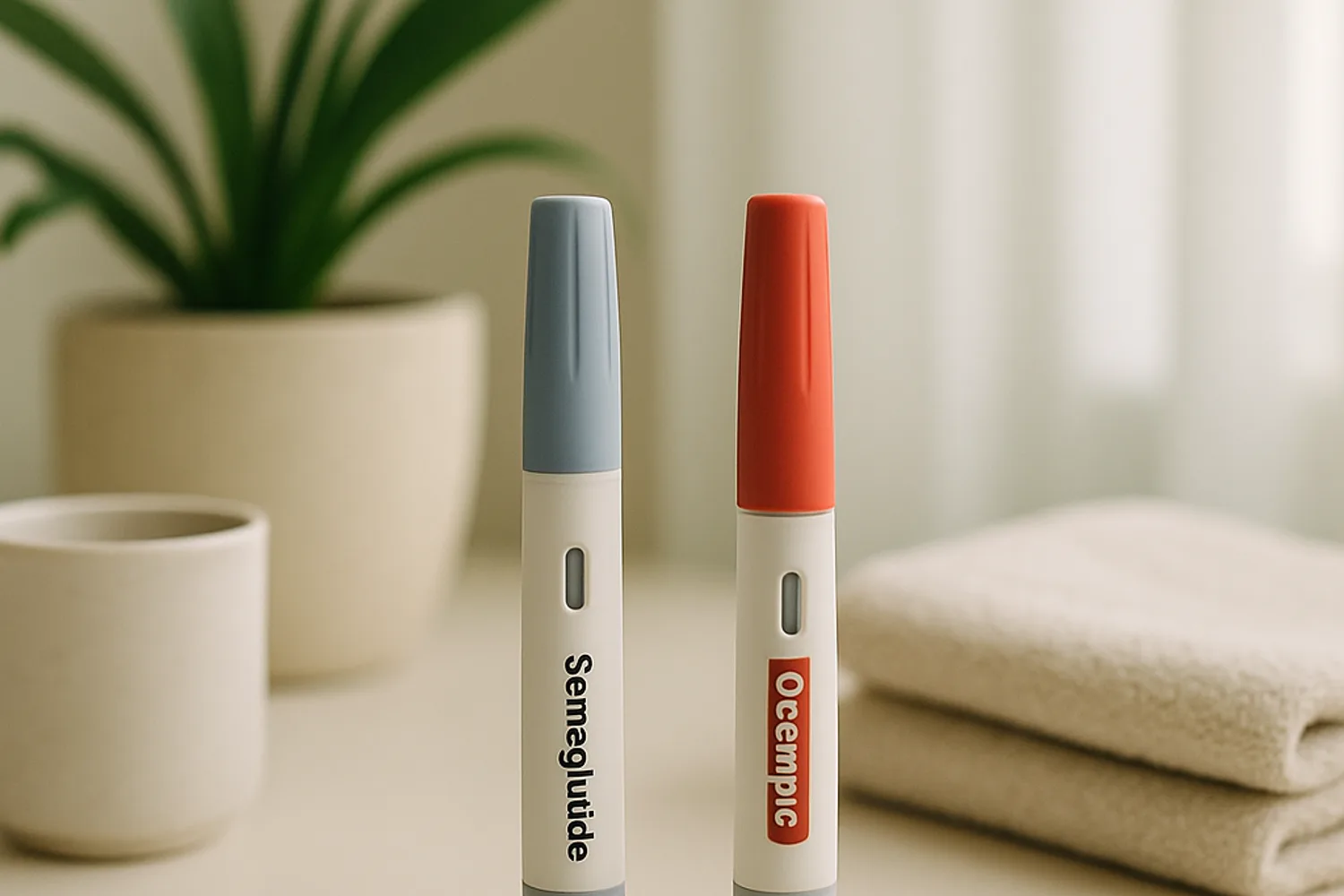
Semaglura vs Ozempic: A Clear Comparison
In the world of health and wellness, new terms can appear quickly, leading to both curiosity and confusion. You may have heard about Ozempic, a medication often discussed for its role in managing type 2 diabetes and, for some, in weight management. More recently, the term "Semaglura" has been circulating online. If you're trying to understand the difference, you've come to the right place.
This guide will provide a clear, evidence-aware comparison to help you understand what these terms mean. We'll explore what Ozempic is, what "Semaglura" likely refers to, and why the distinction is crucial for your health and safety. It's important to approach this topic with accurate information. Consult your healthcare provider before starting any medication.
What is Ozempic?
Ozempic is the brand name for a prescription medication. The active ingredient in Ozempic is called semaglutide.
In India, Ozempic is approved by the Central Drugs Standard Control Organisation (CDSCO) for improving blood sugar control in adults with type 2 diabetes, often used alongside diet and exercise. It is also approved to reduce the risk of major cardiovascular events like heart attack or stroke in adults with type 2 diabetes and known heart disease.
How Does It Work?
Semaglutide, the active ingredient, belongs to a class of drugs called GLP-1 (glucagon-like peptide-1) receptor agonists. In simple terms, it works by mimicking a natural hormone in your body. This has a few key effects:
- It helps the pancreas release the right amount of insulin when blood sugar is high.
- It slows down the process of food leaving your stomach, which can help you feel full for longer.
- It can act on appetite centres in the brain, potentially reducing hunger.
Ozempic is an injectable medication, administered once a week. Because it is a regulated prescription drug, its manufacturing process is subject to strict quality and safety controls to ensure every dose is consistent and sterile.
What is "Semaglura"?
This is where clarity is essential. Unlike Ozempic, "Semaglura" is not an official, approved brand name for any medication in India or by other major international regulatory bodies like the U.S. Food and Drug Administration (FDA) or the European Medicines Agency (EMA).
The term "Semaglura" appears to be used online to refer to products that claim to contain semaglutide but are sold outside of official medical and pharmaceutical channels. These are often unregulated and unverified.
There are a few reasons you might see this term:
- A Misspelling: It could simply be a common misspelling or a mashup of "semaglutide" and another word.
- Marketing for Unregulated Products: The term may be used to market compounded or "research" versions of semaglutide. Compounded drugs are custom-mixed, but when it comes to sterile injectables, this process carries significant risks if not done in a highly controlled, licensed facility.
- Counterfeit Products: In the worst-case scenario, it could refer to counterfeit drugs that may not contain any semaglutide at all, or could contain harmful substances.
The bottom line is that any product marketed as "Semaglura" has not gone through the rigorous testing and approval process required for prescription medications.
The Key Difference: Brand Name vs. Active Ingredient
Thinking about the difference between a brand name and an active ingredient can be helpful. It’s like the pain reliever paracetamol. Paracetamol is the active ingredient, but you can buy it under many different brand names, such as Crocin or Calpol. Each of these brands is regulated to ensure it contains a safe and accurate dose of paracetamol.
In our case:
- Active Ingredient: Semaglutide
- Approved Brand Name: Ozempic
- Unofficial Term: "Semaglura"
The crucial difference is that Ozempic is a legitimate, regulated product, while "Semaglura" is a term associated with unregulated products of unknown origin and safety.
Comparing Ozempic with Unverified "Semaglura"
Let's break down the comparison across the most important factors for your health.
Regulation and Safety
Ozempic: Is approved for use by the CDSCO in India. This means it has undergone extensive clinical trials to evaluate its safety, effectiveness, and quality. Manufacturing facilities are inspected to ensure the product is sterile and accurately dosed.
"Semaglura": Lacks any regulatory approval. Products sold under this or similar unofficial names bypass all safety checks. There is no guarantee of what is in the vial, how it was made, or if it is safe for human use.
Active Ingredient and Dosage
Ozempic: Contains a precise, verified amount of semaglutide in each pen. The dosage is carefully controlled, allowing you and your doctor to follow a specific treatment plan.
"Semaglura": The contents are unknown. The product could contain a different dose of semaglutide than advertised, a different substance entirely, or even harmful contaminants. The lack of quality control makes dosage dangerously unpredictable.
How It's Obtained
Ozempic: Can only be obtained legally with a valid prescription from a qualified healthcare provider. It is dispensed by a licensed pharmacy, ensuring it is part of a safe and traceable supply chain.
"Semaglura": Is typically sold online or through other unofficial channels, often without a prescription. Buying prescription medication this way is a major red flag and poses significant health risks.
Why Sourcing Your Medication Matters
When it comes to any medication, especially an injectable one, where it comes from is just as important as what it is. The regulated pharmaceutical supply chain exists to protect you. A prescription from a doctor ensures that the treatment is appropriate for your specific health needs, and a licensed pharmacy guarantees that the product you receive is authentic and has been stored correctly.
Unregulated online sellers operate without any of this oversight. This can lead to receiving a product that is:
- Contaminated with bacteria or other harmful substances.
- Ineffective because it contains too little or no active ingredient.
- Dangerous because it contains the wrong drug or a toxic ingredient.
- Not sterile, which can cause serious infections when injected.
Your health is your most valuable asset. Taking shortcuts on medication is a risk that is never worth taking.
Making an Informed and Safe Decision
Navigating health choices can feel overwhelming, but the path forward is clear: always prioritise safety and professional guidance. If you are interested in exploring semaglutide for type 2 diabetes or weight management, the only safe first step is to speak with a doctor.
A conversation with a healthcare professional will help you understand if a GLP-1 medication is a suitable option for you based on your personal health history and goals. They can discuss the potential benefits, risks, and side effects of approved medications like Ozempic.
This conversation is the foundation of a safe treatment plan. Remember to always consult your healthcare provider before starting any medication. A holistic approach that includes nutrition, physical activity, and professional medical support is the most reliable path to achieving your long-term health goals. The distinction between a regulated medication like Ozempic and an unverified term like "Semaglura" is not just a matter of branding—it's a matter of safety, quality, and your well-being.
Consult your healthcare provider before starting any medication.
Sources
- https://www.who.int/news-room/fact-sheets/detail/substandard-and-falsified-medical-products
- https://cdsco.gov.in/opencms/opencms/en/Home/
- https://www.fda.gov/drugs/postmarket-drug-safety-information-patients-and-providers/medications-containing-semaglutide-marketed-type-2-diabetes-or-weight-loss
- https://www.mayoclinic.org/drugs-supplements/semaglutide-subcutaneous-route/description/drg-20406730
- https://www.ozempic.com/
Written by
Masters in Microbiology
Health Content Writer
Anuja Akkar is a Masters in Microbiology professional who contributes evidence-informed health and wellness content for WeightEasy.
View profile →Reviewed by
Pharmacist
Senior Medical Reviewer
Hinal is a Pharmacist professional who reviews WeightEasy health content for medical and editorial accuracy.
View profile →