
What Is Obeda? India GLP-1 Guide
Beginner guide to Obeda in India, explaining its GLP-1 properties, possible candidates, and key discussion points before use.
What Is Obeda? India GLP-1 Guide
Managing weight is a personal journey, and for many in India, it involves exploring various strategies, from diet and exercise to medical support. In recent years, a class of medications known as GLP-1 receptor agonists has become part of this conversation. One such option available in India is Obeda. This guide offers a clear, practical overview of what Obeda is, how it works, and what you should consider when discussing it with your doctor.
This information is for educational purposes and is not a substitute for professional medical advice. Consult your healthcare provider before starting any medication.
Understanding Obeda and GLP-1 Medications
What is Obeda?
Obeda is the brand name for the medication liraglutide. It belongs to a family of drugs called GLP-1 (glucagon-like peptide-1) receptor agonists. Originally developed for managing type 2 diabetes, liraglutide was also found to be effective for chronic weight management when used at a specific dose.
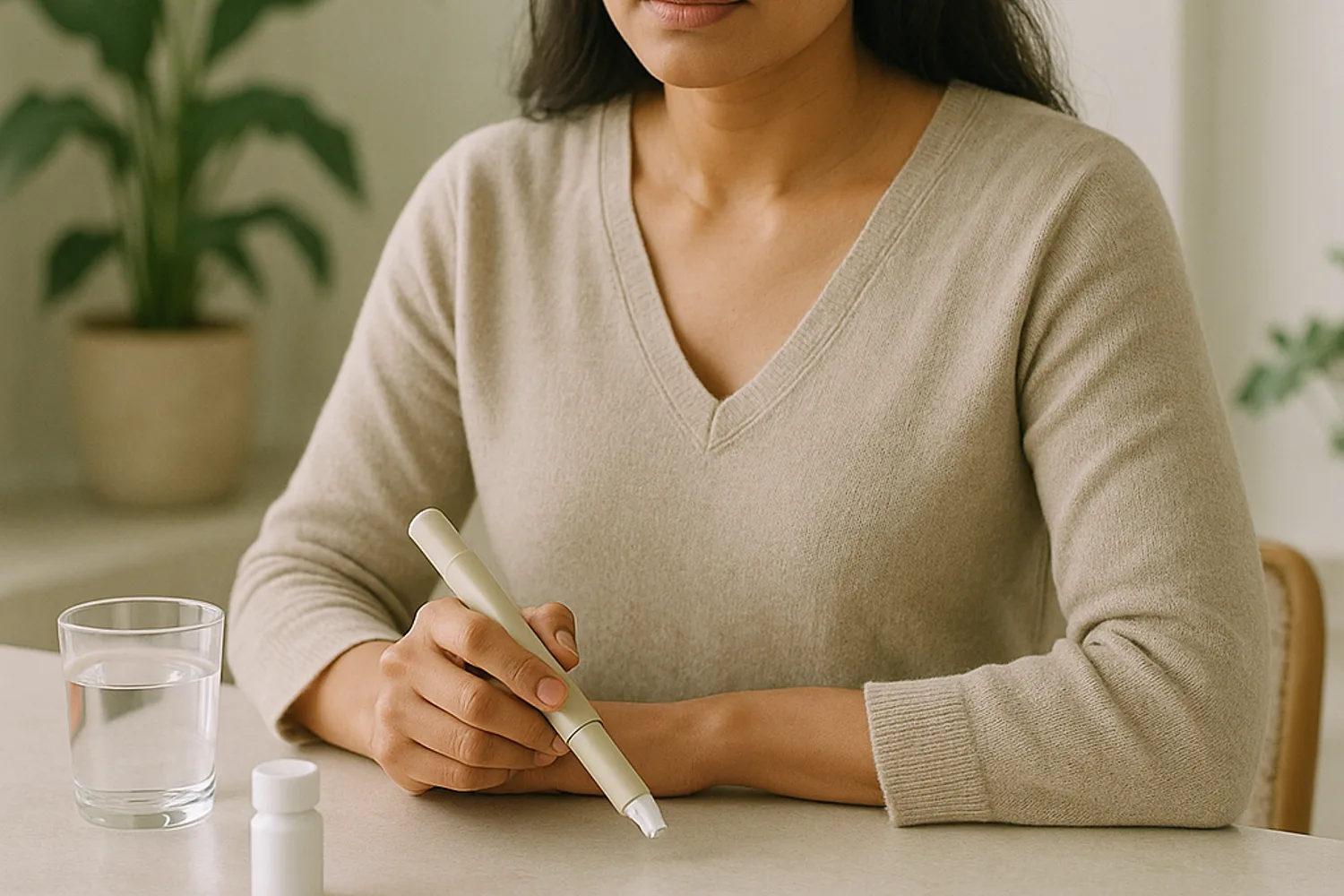
Obeda is not a pill; it is administered as a once-daily injection using a simple-to-use pen device. It's designed to be a tool used alongside a comprehensive lifestyle plan that includes a balanced diet and increased physical activity.
How GLP-1 Medications Work
To understand Obeda, it helps to know about the natural hormone it mimics: GLP-1. Our bodies produce GLP-1 in the gut after we eat. This hormone plays a key role in managing our appetite and blood sugar levels.
GLP-1 receptor agonists like Obeda work by activating the same pathways as our natural GLP-1, but they last longer. This has a few important effects on the body:
- It targets the brain: The medication acts on the areas of the brain that control hunger, helping to reduce appetite and cravings. This can make it easier to feel satisfied with smaller food portions.
- It slows down the stomach: It causes food to empty from the stomach more slowly. This prolonged process helps you feel fuller for a longer period after a meal, reducing the desire to eat as frequently.
- It helps regulate blood sugar: By influencing insulin and glucagon (another hormone), it contributes to more stable blood sugar levels, which can also play a role in managing hunger.
It's crucial to see Obeda not as a standalone solution but as a support system that enhances the effects of healthy lifestyle habits.
Who Might Be a Candidate for Obeda?
Obeda is a prescription medication, and a doctor must determine if it is an appropriate choice for an individual's health needs and goals.
Medical Indications for Use
Typically, prescription medications for weight management are considered for adults who meet certain criteria related to their Body Mass Index (BMI), a measure of body fat based on height and weight.
The general guidelines for prescribing medications like Obeda are for individuals with:
- A BMI of 30 kg/m² or greater (classified as obesity).
- A BMI of 27 kg/m² or greater (classified as overweight) who also have at least one weight-related health condition, such as type 2 diabetes, high blood pressure (hypertension), or high cholesterol (dyslipidemia).
A healthcare provider will conduct a thorough evaluation, including a physical exam, blood tests, and a detailed review of your medical history, to decide if this medication is a suitable and safe option for you.
Who Should Not Use Obeda?
This medication is not for everyone. It is important to have an open conversation with your doctor about your full health history. Obeda is generally not recommended for individuals with:
- A personal or family history of Medullary Thyroid Carcinoma (MTC), a type of thyroid cancer.
- A rare condition called Multiple Endocrine Neoplasia syndrome type 2 (MEN 2).
- A known allergy to liraglutide or any of the other ingredients in the medication.
- A history of pancreatitis.
It should also not be used by those who are pregnant, planning to become pregnant, or breastfeeding.
What to Expect When Starting Obeda
If you and your doctor decide that Obeda is right for you, it’s helpful to know what to expect.
The Importance of a Comprehensive Plan
Success with Obeda is greatest when it is part of a holistic weight management program. Your doctor will emphasize that the medication works best in combination with:
- Nutritional Changes: A focus on a balanced, nutrient-rich diet that supports your health goals.
- Regular Physical Activity: Incorporating consistent movement into your routine.
- Behavioral Support: Developing healthy habits and strategies for long-term success.
Working with a healthcare team, which may include a doctor, a dietitian, or other specialists, can provide the guidance and support needed for lasting change.
Common Side Effects
Like all medications, Obeda can have side effects. The most common ones are related to the digestive system and often occur when first starting the treatment. These can include:
- Nausea
- Vomiting
- Diarrhea
- Constipation
- Decreased appetite
For many people, these side effects are mild to moderate and tend to lessen over time as their body adjusts to the medication. To help manage this, doctors typically start patients on a low dose and gradually increase it over several weeks.
Administration and Dosing
Obeda is self-administered using an injector pen. Before your first use, a healthcare professional will show you exactly how to use the pen, including how to attach the needle, select the correct dose, and perform the injection. The injection site is typically the abdomen, thigh, or upper arm. The process of starting on a low dose and slowly increasing it is called titration, and it’s a key strategy for minimizing potential side effects.
Your Conversation with Your Doctor
An informed and open discussion with your healthcare provider is the most important step. This is a partnership, and being prepared can help you make the best decision for your health.
Key Topics to Cover
Be ready to discuss the following with your doctor:
- Your full medical history: This includes any current or past health conditions, especially any issues with your pancreas, kidneys, or thyroid.
- Family medical history: Mention if any close relatives have had thyroid cancer.
- All medications: Provide a complete list of all prescription drugs, over-the-counter medicines, vitamins, and herbal supplements you take.
- Your weight management journey: Talk about what you have tried in the past and what challenges you have faced.
- Your goals and expectations: Be realistic about your goals and what you hope to achieve.
A thoughtful conversation ensures that any decision made is safe, appropriate, and tailored to your unique circumstances. Consult your healthcare provider before starting any medication.
A Balanced Perspective
Obeda represents an important medical tool for chronic weight management in India, offering support for individuals who have struggled to achieve their health goals through diet and exercise alone. It works by mimicking a natural hormone to help regulate appetite and food intake.
However, its effectiveness is deeply connected to a commitment to broader lifestyle changes. Lasting success in weight management is about building sustainable habits that support overall well-being for years to come.
Sources
- Central Drugs Standard Control Organisation (CDSCO), Government of India: https://cdsco.gov.in
- World Health Organization (WHO) - Obesity: https://www.who.int/health-topics/obesity
- Indian Council of Medical Research (ICMR) - India-specific diet and lifestyle guidelines: https://www.icmr.gov.in/
- The New England Journal of Medicine - "A Randomized, Controlled Trial of Liraglutide for Weight Management" (SCALE trial): https://www.nejm.org/doi/full/10.1056/nejmoa1411892
- MedlinePlus — semaglutide injection: https://medlineplus.gov/druginfo/meds/a618008.html
- National Health Portal of India - Healthy Living: https://medicaldialogues.in/news/industry/pharma/indias-semaglutide-market-set-for-generic-boom-as-patents-expire-over-50-brands-lined-up-for-launch-see-full-list-165838
Written by
Masters in Microbiology
Health Content Writer
Anuja Akkar is a Masters in Microbiology professional who contributes evidence-informed health and wellness content for WeightEasy.
View profile →Reviewed by
BDS / MDS
Senior Medical Reviewer
Jude Bencia is a BDS / MDS professional who reviews WeightEasy health content for medical and editorial accuracy.
View profile →