
What Is Semadirect? India GLP-1 Guide
Get informed about Semadirect, a GLP-1 treatment option in India, including its potential uses and what to consider before starting it.
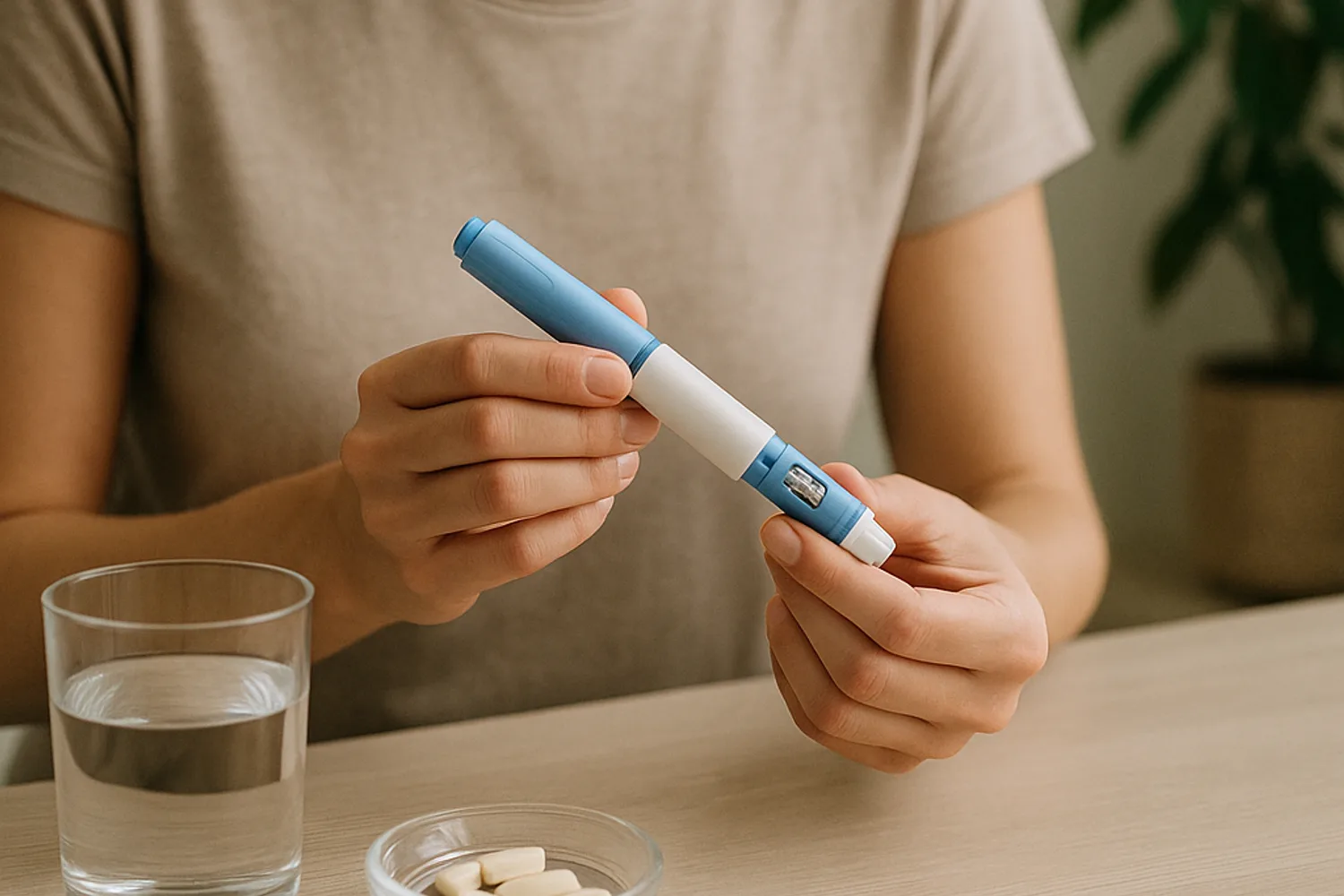
A New Conversation About Weight Management in India
Across India, conversations about health are evolving. We’re learning more about the connections between weight, blood sugar, and overall well-being. Alongside discussions about diet and exercise, new medical tools have become part of the conversation. You may have heard about a class of medications known as GLP-1 receptor agonists, sometimes referred to by names like Semadirect.
This guide is designed to offer a clear, practical overview of what these medications are, how they work, and what a conversation with your doctor about them might look like. It’s about providing balanced information to help you feel more informed on your health journey. Consult your healthcare provider before starting any medication.
What Is "Semadirect" and How Does It Work?
To understand how medications like Semadirect work, we first need to look at a powerful natural hormone our bodies already produce: GLP-1.
Understanding GLP-1 Receptor Agonists
GLP-1 stands for Glucagon-Like Peptide-1. It's a hormone released from your gut after you eat. It plays several important roles in your body’s digestive and metabolic processes. Think of it as a natural messaging system that helps manage your energy balance.
Its key functions include:
- Prompting Insulin Release: It signals the pancreas to release insulin when blood sugar levels are high, which helps your cells use glucose for energy.
- Slowing Digestion: It slows down the speed at which food leaves your stomach. This helps prevent sharp spikes in blood sugar after a meal.
- Signalling Fullness: It communicates with your brain, particularly the areas that control appetite, creating a feeling of satiety, or fullness.
Medications like Semadirect belong to a class called GLP-1 receptor agonists. The name sounds complex, but the idea is simple: they "mimic" or "agonist" the action of your body's natural GLP-1 hormone. They are designed to be longer-lasting than the GLP-1 your body makes, amplifying these natural signals.
The Dual Action for Blood Sugar and Weight
By mimicking the GLP-1 hormone, these medications have a two-pronged effect that is useful for certain health conditions.
For individuals with type 2 diabetes, the primary action is on blood sugar control. By encouraging insulin release only when needed and reducing the production of glucagon (a hormone that raises blood sugar), it helps maintain more stable glucose levels.
For weight management, the key effects are on appetite and digestion. Because the medication slows down how quickly your stomach empties and sends strong fullness signals to your brain, you are likely to feel satisfied with smaller portions of food. This can lead to a natural reduction in calorie intake, which, over time, supports weight loss. It’s not about removing hunger entirely, but about working with your body’s own systems to better regulate it.
Who Might Be a Candidate for This Medication?
A doctor’s guidance is essential in determining if a GLP-1 medication is appropriate for you. These are prescription-only medicines intended for specific medical needs, not for cosmetic or short-term weight loss.
Approved Uses in India
In India, as in many other countries, these medications are primarily approved by regulatory bodies for the management of type 2 diabetes. They are prescribed as part of a comprehensive treatment plan to help control blood sugar.
Additionally, some formulations may be approved and prescribed for chronic weight management in adults who meet specific criteria. This typically includes individuals with a body mass index (BMI) that classifies them as obese, or those who are overweight and also have a weight-related health condition such as high blood pressure, type 2 diabetes, or high cholesterol. A doctor will evaluate your complete health profile to determine if you meet the criteria for a prescription.
It's Not a Quick Fix
It is crucial to understand that these medications are not a standalone solution. Healthcare professionals view them as a tool to be used alongside foundational lifestyle changes. The most successful and sustainable outcomes occur when the medication is combined with a balanced, nutritious diet and regular physical activity.
The goal is to support long-term health improvements. This medication helps create a biological environment where making healthier food choices and managing portion sizes becomes more manageable, allowing new, sustainable habits to form.
What to Expect: Potential Side Effects and Considerations
Every medication has potential benefits and risks. Being aware of possible side effects is an important part of making an informed decision with your doctor.
Common Side Effects
The most frequently reported side effects of GLP-1 medications are related to the digestive system. This is understandable, as the medication directly affects your gut. These can include:
- Nausea
- Vomiting
- Diarrhoea
- Constipation
- Abdominal pain or discomfort
For many people, these side effects are most noticeable when first starting the medication or after a dose is increased. They often decrease or resolve as the body adjusts over a few weeks. Your doctor will typically start you on a low dose and increase it gradually to help manage these effects.
Important Health Considerations
While less common, there are more serious risks to be aware of. It is vital to share your entire medical history with your doctor before starting. Be sure to mention if you have a personal or family history of pancreatitis, thyroid tumours (including medullary thyroid carcinoma), or kidney problems. This information will help your doctor assess whether the medication is safe and appropriate for you.
Your Conversation with Your Doctor
The decision to start a new medication is a partnership between you and your healthcare provider. Preparing for your appointment can help you have a productive and reassuring conversation.
Key Questions to Ask
Consider writing down your questions beforehand. Here are a few ideas to get you started:
- Based on my health profile, am I a suitable candidate for this type of medication?
- What are the specific benefits you hope to see for my health?
- What are the potential risks and side effects I should be aware of?
- How does this medication fit into my overall health plan, including diet and exercise?
- What side effects should I watch for, and when should I contact you if I experience them?
- How will we track my progress, and what does success look like?
Being Open and Honest
Your doctor is your best resource for personalised advice. Be open about your health goals, your lifestyle, your concerns, and what you hope to achieve. This honest dialogue ensures you can work together to create a plan that is safe, effective, and right for you.
Looking Ahead: A Tool for a Healthier Journey
Medications like Semadirect represent a significant development in the management of type 2 diabetes and chronic weight issues. By working with the body's natural hormone system, they offer a new way to help regulate blood sugar and appetite.
However, they are just one part of a larger picture. Lasting health improvements are built on a foundation of balanced nutrition, consistent movement, and ongoing medical guidance. The choice to explore this path is a personal one, best made with a deep understanding of the facts and in close consultation with a trusted medical professional. Consult your healthcare provider before starting any medication.
Sources
- Ministry of Health and Family Welfare, Government of India - Non-Communicable Diseases: https://cdsco.gov.in/opencms/opencms/en/Home/
- World Health Organization (WHO) - Obesity and Overweight Fact Sheet: https://www.who.int/news-room/fact-sheets/detail/obesity-and-overweight
- The New England Journal of Medicine - Semaglutide Treatment for Obesity (STEP 1 Trial): https://pubmed.ncbi.nlm.nih.gov/33567185/
- U.S. National Institute of Diabetes and Digestive and Kidney Diseases (NIDDK) - Diabetes Medicines: https://www.niddk.nih.gov/health-information/diabetes/overview/insulin-medicines-treatments
Written by
Dietician / Nutritionist
Health Content Writer
Jyothi N S is a Dietician / Nutritionist professional who contributes evidence-informed health and wellness content for WeightEasy.
View profile →Reviewed by
BHMS
Senior Medical Reviewer
Dietitian with experience in nutrition counseling, meal planning and promoting healthy lifestyles. Dedicated to help individuals achieve optimal health and well-being through personalized nutrition strategies. Skilled in providing expert guidance for managing conditions like diabetes, weight challenges and Lifestyle management.
View profile →