
What Is Trusema? India GLP-1 Guide
Discover Trusema, a GLP-1 treatment option in India, with information on its effects and key points to review before use.
A Beginner’s Guide to Trusema in India
You may have heard friends, family, or news reports talking about a new class of medications for managing type 2 diabetes and weight. In India, one of the names that might come up in these conversations is Trusema. If you're curious about what it is and how it works, you've come to the right place.
This guide offers a clear, practical overview of Trusema for beginners. We'll explore what this medication is, the science behind it, and the important points to discuss with a professional. Understanding the basics can empower you to have more informed conversations about your health journey. Consult your healthcare provider before starting any medication.
Understanding Trusema and GLP-1 Medications
To understand Trusema, it’s helpful to first learn about the class of drugs it belongs to.
What Is Trusema?
Trusema is a brand name available in India for the medication liraglutide. It is not a pill but an injectable medicine that belongs to a group of drugs called GLP-1 receptor agonists.
In India, liraglutide is approved for specific medical uses, primarily to help manage blood sugar levels in adults with type 2 diabetes. Because of how it works in the body, it also has a significant effect on weight, which is why it is often considered for individuals living with both type 2 diabetes and overweight or obesity.
How Do GLP-1 Medications Like Liraglutide Work?
GLP-1 receptor agonists work by mimicking the action of a natural hormone in your body called glucagon-like peptide-1 (GLP-1). This hormone is released from your gut after you eat, and it plays several important roles in regulating your metabolism and appetite.
Think of liraglutide as a key that unlocks the same receptors as your body's natural GLP-1, but it lasts much longer. This has a few key effects:
- It helps the pancreas release insulin. It signals the pancreas to release the right amount of insulin when blood sugar levels are high, helping to move sugar from your blood into your cells for energy.
- It reduces the release of glucagon. It tells the liver to produce less glucagon, a hormone that raises blood sugar levels. This helps prevent your blood sugar from going too high.
- It slows down digestion. The medication causes food to empty from your stomach more slowly. This extended feeling of fullness can lead to eating less.
- It works on the brain. It also acts on areas of the brain that control appetite and satiety, helping to reduce hunger and food cravings.
Together, these actions help improve blood sugar control and can lead to weight loss.
Who Might Be Prescribed Trusema?
The decision to use any prescription medication is a personal one made between you and your doctor. It is prescribed based on your individual health profile, needs, and goals.
Primary Use: Type 2 Diabetes Management
In India, the primary indication for liraglutide (Trusema) is for the management of type 2 diabetes in adults. It is often prescribed as part of a broader treatment plan, especially when initial medications like metformin are not enough to control blood sugar levels on their own.
It is particularly useful for patients with type 2 diabetes who may also benefit from weight loss and have a higher risk of cardiovascular events, as some studies have shown cardiovascular benefits for this class of drugs.
A Tool, Not a Replacement for Lifestyle
It's essential to understand that Trusema is not a standalone solution. It is designed to work best as a complement to a healthy lifestyle.
Lasting success with this medication relies on combining it with consistent lifestyle modifications. This includes adopting a balanced, nutritious diet, engaging in regular physical activity, and making other positive behavioral changes. Your doctor and a dietitian can help you create a sustainable plan that works for you.
What to Expect: Administration and Side Effects
If your doctor determines Trusema is a good option, it's helpful to know what to expect.
How Is It Taken?
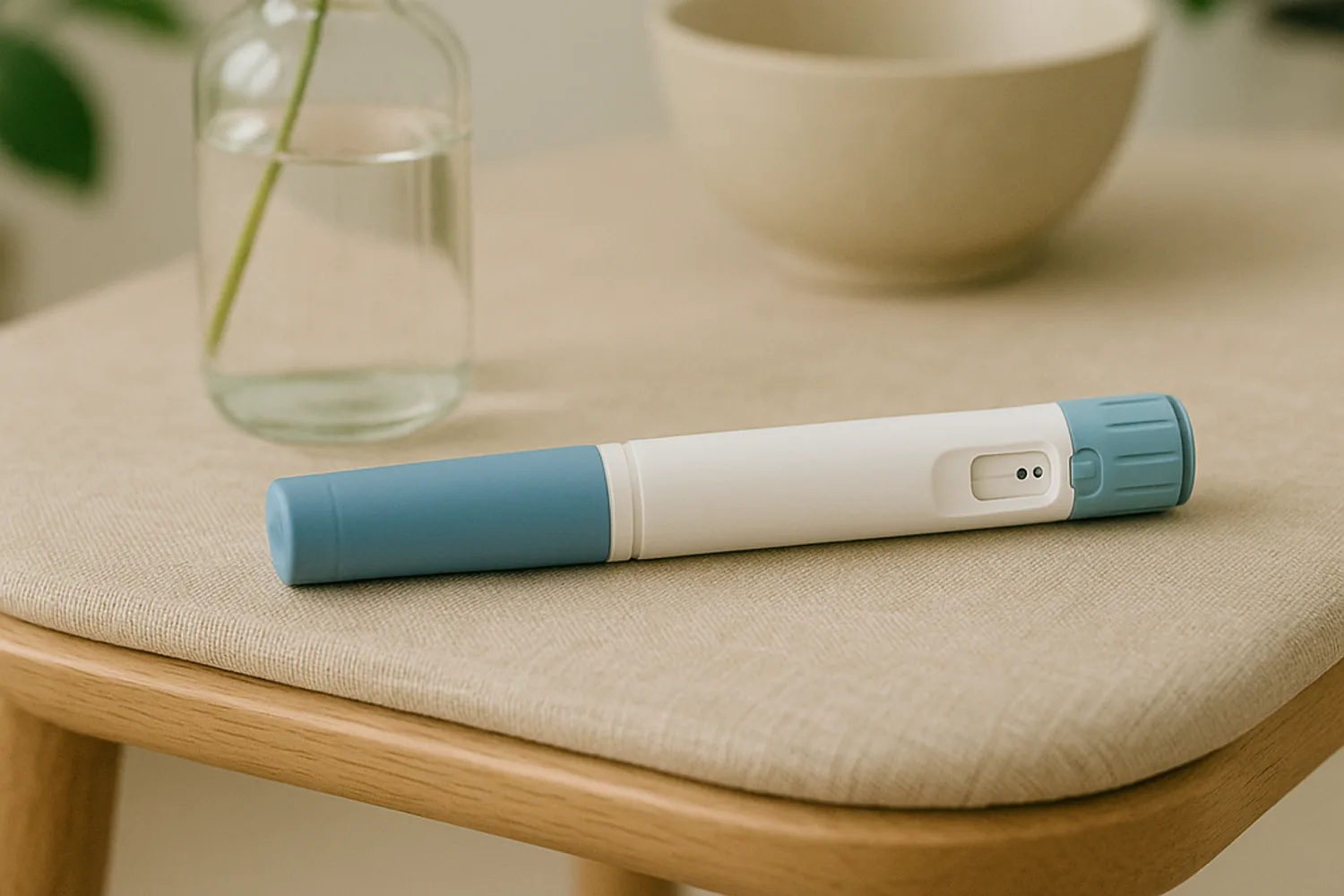
Trusema (liraglutide) is administered as a once-daily injection. This might sound intimidating, but it is given using a simple, pre-filled pen device with a very small needle. The injection is typically given under the skin (subcutaneously) in the stomach area, thigh, or upper arm.
Your doctor or a nurse will provide detailed training on how to properly store the pen, attach the needle, select the correct dose, and perform the injection safely.
Common Side Effects
Like any medication, Trusema can cause side effects. The most common ones are related to the digestive system, especially when first starting the treatment. These may include:
- Nausea
- Vomiting
- Diarrhea
- Constipation
- Abdominal pain
- Decreased appetite
For many people, these side effects are mild to moderate and tend to decrease over the first few weeks as their body adjusts. To help manage this, doctors usually start patients on a low dose and increase it gradually over time.
Serious but Rare Side Effects
While less common, there are more serious risks to be aware of and discuss with your healthcare provider. These can include an increased risk of pancreatitis (inflammation of the pancreas), gallbladder problems, and kidney issues. Liraglutide also carries a warning about a potential risk for a specific type of thyroid tumor.
This is why a thorough discussion of your personal and family medical history is crucial before starting treatment.
Key Conversations to Have With Your Doctor
Before you begin, have an open and honest conversation with your doctor. Being prepared can help you make a well-informed decision together.
Your Complete Medical History
Be ready to discuss your entire health background. It is especially important to mention if you have a personal or family history of:
- Pancreatitis
- Gallbladder disease
- Kidney problems
- Medullary thyroid carcinoma (MTC) or Multiple Endocrine Neoplasia syndrome type 2 (MEN 2)
Also, provide a full list of all other medications you take, including over-the-counter drugs and supplements.
Questions to Ask
Here are a few questions you might want to ask your doctor:
- Based on my health, what are the potential benefits and risks of this medication for me?
- What side effects should I watch for, and when should I call you?
- How does this fit into my overall treatment plan for diabetes and weight management?
- What specific diet and exercise changes do you recommend I make alongside this medication?
- How will we track my progress?
Making an informed choice about your health is a partnership between you and your healthcare team. Medications like Trusema represent a significant advancement, but they are most effective when used safely, correctly, and as part of a comprehensive health plan.
Consult your healthcare provider before starting any medication.
Sources
- https://medlineplus.gov/druginfo/meds/a611003.html
- https://cdsco.gov.in/opencms/opencms/en/Home/
- https://www.thelancet.com/journals/lancet/article/PIIS0140-6736(15)60724-4/fulltext
- https://www.niddk.nih.gov/health-information/diabetes/overview/insulin-medicines-treatments
- https://www.who.int/news-room/fact-sheets/detail/diabetes
- https://www.ema.europa.eu/en/medicines/human/EPAR/victoza
Written by
Content Writer
Aman Jha is a content writer who contributes evidence-informed health and wellness content for WeightEasy.
View profile →Reviewed by
Ph. D in Food Science and Nutrition
Senior Medical Reviewer
Dr. Shunmukha Priya. S is a Ph. D in Food Science and Nutrition professional who reviews WeightEasy health content for medical and editorial accuracy.
View profile →