
Foods to Avoid on Mounjaro: What Makes Side Effects Worse
Identify foods that may increase side effects when taking Mounjaro and understand when to seek medical advice.
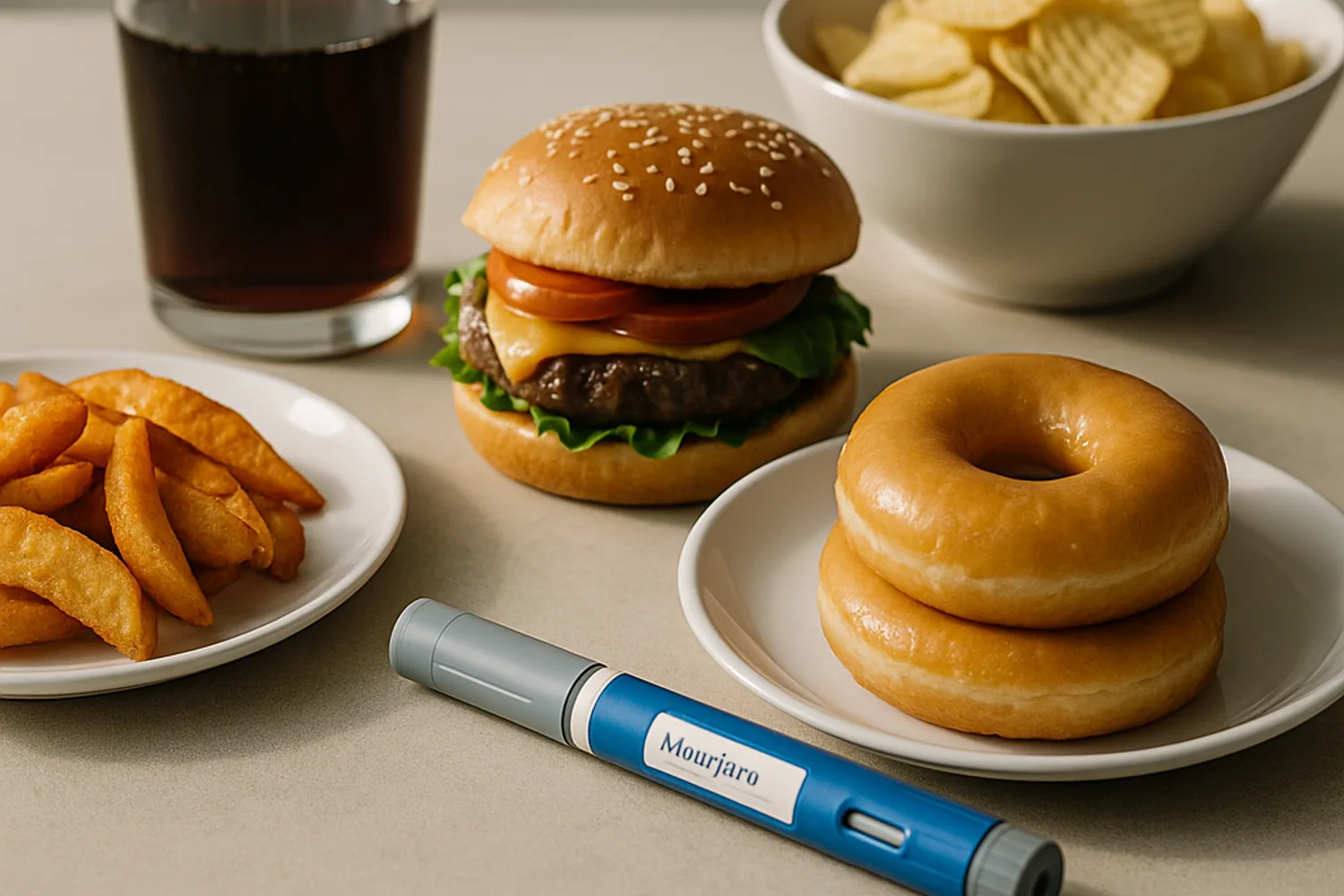
Foods to Avoid on Mounjaro: What Makes Side Effects Worse
Starting a new medication like Mounjaro (tirzepatide) can feel like a positive step forward on your health journey. It’s a powerful tool for managing type 2 diabetes and supporting weight loss, but like any effective medication, it can come with side effects. The most common ones, such as nausea, bloating, and changes in bowel habits, are closely linked to how the medication works on your digestive system.
Understanding this connection is key. By making mindful choices about what you eat, you can often navigate the adjustment period more comfortably and minimize discomfort. This guide explores the types of foods that may worsen side effects, offers gentle alternatives, and explains when it's important to talk to your doctor. Consult your healthcare provider before starting any medication.
Understanding Mounjaro and Your Digestive System
Mounjaro works in part by slowing down "gastric emptying." This is the process of your stomach moving food into your small intestine. By slowing this down, Mounjaro helps you feel full faster and stay full longer, which is a key reason it's effective for blood sugar control and weight management.
However, this slowing effect is also why gastrointestinal (GI) side effects are so common. Food sits in your stomach for a longer period, which can lead to feelings of:
- Nausea
- Bloating and gas
- Acid reflux or heartburn
- Constipation or diarrhea
- Stomach cramps
For many people, these side effects are most noticeable when they first start the medication or after a dose increase. The good news is that they often lessen as your body adjusts. In the meantime, your diet can be your best ally.
Foods That May Worsen Mounjaro Side Effects
Think of this list not as a set of strict rules, but as a guide to potential culprits. Everyone is different, so you may find that some of these foods bother you while others don’t. Paying attention to how your body responds is the most important step.
High-Fat and Fried Foods
Foods that are high in fat are naturally slow to digest. When you add Mounjaro’s gastric-slowing effect to the mix, it can create a digestive "traffic jam." This can significantly worsen feelings of nausea, bloating, and indigestion.
- Examples to limit: Fried chicken, french fries, onion rings, pizza, creamy pasta sauces, bacon, sausage, and rich, heavy desserts.
- What you might feel: A prolonged sense of over-fullness, indigestion, acid reflux, or nausea.
Sugary Foods and Drinks
Highly processed, sugary items can cause a rapid spike in blood sugar. While Mounjaro helps manage this, some people report that consuming a lot of sugar at once can trigger nausea or feelings of lightheadedness. These foods also tend to offer little nutritional value while taking up precious space in a stomach that feels full quickly.
- Examples to limit: Candy, cookies, pastries, sugary cereals, and especially sugary beverages like soda, sweetened iced tea, and some fruit juices.
- What you might feel: A sudden wave of nausea, cramping, or an unpleasant "sugar rush" followed by a crash.
Carbonated Beverages
The bubbles in carbonated drinks can introduce extra gas into your digestive system. With digestion already slowed, this gas can get trapped, leading to uncomfortable bloating, burping, and pressure in your abdomen.
- Examples to limit: Soda (both regular and diet), sparkling water, seltzer, and energy drinks.
- What you might feel: Increased bloating, gas, and abdominal discomfort.
Spicy Foods
Spicy foods can irritate the lining of the stomach and esophagus. For individuals already experiencing acid reflux or heartburn as a side effect of Mounjaro, spicy meals can pour fuel on the fire, making the burning sensation more intense.
- Examples to limit: Dishes made with hot peppers, chili powder, or spicy sauces like sriracha or tabasco.
- What you might feel: Worsened heartburn, acid reflux, or general stomach irritation.
Very Large Portions
This is less about a specific food and more about a style of eating. Because Mounjaro keeps food in your stomach longer, a large meal that you might have easily handled before can now feel overwhelming. Eating until you are "stuffed" can lead to hours of discomfort.
- The strategy: Focus on smaller, more frequent meals throughout the day. Listen carefully to your body’s fullness cues, which will likely arrive much sooner than you’re used to.
What to Eat Instead: Tips for a Smoother Experience
Focusing on what to avoid is only half the story. Shifting your diet toward gentler, nutrient-dense foods can make a world of difference in how you feel.
Focus on Lean Proteins
Protein is excellent for satiety and helps maintain muscle mass. Lean sources are less likely to cause the heavy, sluggish feeling associated with high-fat foods.
- Examples: Grilled or baked chicken or fish, turkey, tofu, eggs, beans, and lentils.
Incorporate Fiber Wisely
Fiber is essential for digestive health and can be particularly helpful for managing Mounjaro-related constipation. However, if you're feeling bloated, introduce high-fiber foods slowly.
- Examples: Oatmeal, brown rice, whole-wheat bread, apples, berries, broccoli, and leafy greens.
Stay Hydrated
Water is your best friend. Proper hydration is crucial for managing both constipation and diarrhea. It can also help ease feelings of nausea. If you're tired of plain water, try herbal teas like ginger or peppermint, which can be soothing for the stomach.
Listen to Your Body
This might be the most important tip of all. Consider keeping a simple food and symptom journal for a few weeks. You may discover that you have specific, personal trigger foods that aren’t on this list. Honoring your body’s unique response is the path to finding a comfortable and sustainable way of eating.
Do Side Effects Get Better Over Time?
For a majority of users, the answer is yes. The most intense GI side effects typically occur when initiating Mounjaro or increasing the dose. As your body adapts to the medication over several weeks or months, many of these initial discomforts tend to fade or become much more manageable. Sticking with a mindful diet during this adjustment period can help bridge the gap.
When to Contact Your Healthcare Provider
While mild to moderate GI side effects are common, certain symptoms warrant a call to your doctor. It’s important to distinguish between typical adjustment issues and signs of a more serious problem.
Reach out to your healthcare provider if you experience:
- Severe or persistent nausea or vomiting that prevents you from eating or drinking.
- Signs of dehydration, such as dizziness, a very dry mouth, or infrequent urination.
- Severe stomach pain that is sharp, persistent, and different from typical cramps.
- Side effects that are significantly impacting your quality of life.
Your health and safety are the top priority. Always communicate openly with your medical team about how you are feeling. Consult your healthcare provider before starting any medication.
Sources
- Mounjaro (tirzepatide) Official Patient Site
- U.S. Food and Drug Administration (FDA): Mounjaro Medication Guide
- Mayo Clinic: Tirzepatide (Subcutaneous Route)
- MedlinePlus: Tirzepatide Injection (https://medlineplus.gov/druginfo/meds/a622044.html)
- National Library of Medicine: Efficacy and safety of a novel dual GIP and GLP-1 receptor agonist tirzepatide in patients with type 2 diabetes
Written by
BTech
Content Writer
Rajat Dua is a BTech professional who contributes evidence-informed health and wellness content for WeightEasy.
View profile →Reviewed by
Pharmacist
Senior Medical Reviewer
Hinal is a Pharmacist professional who reviews WeightEasy health content for medical and editorial accuracy.
View profile →