
GLP-1 Rebound: How to Maintain Weight Loss After Stopping
Find guidance on managing weight and minimizing rebound effects after discontinuing GLP-1 medications.
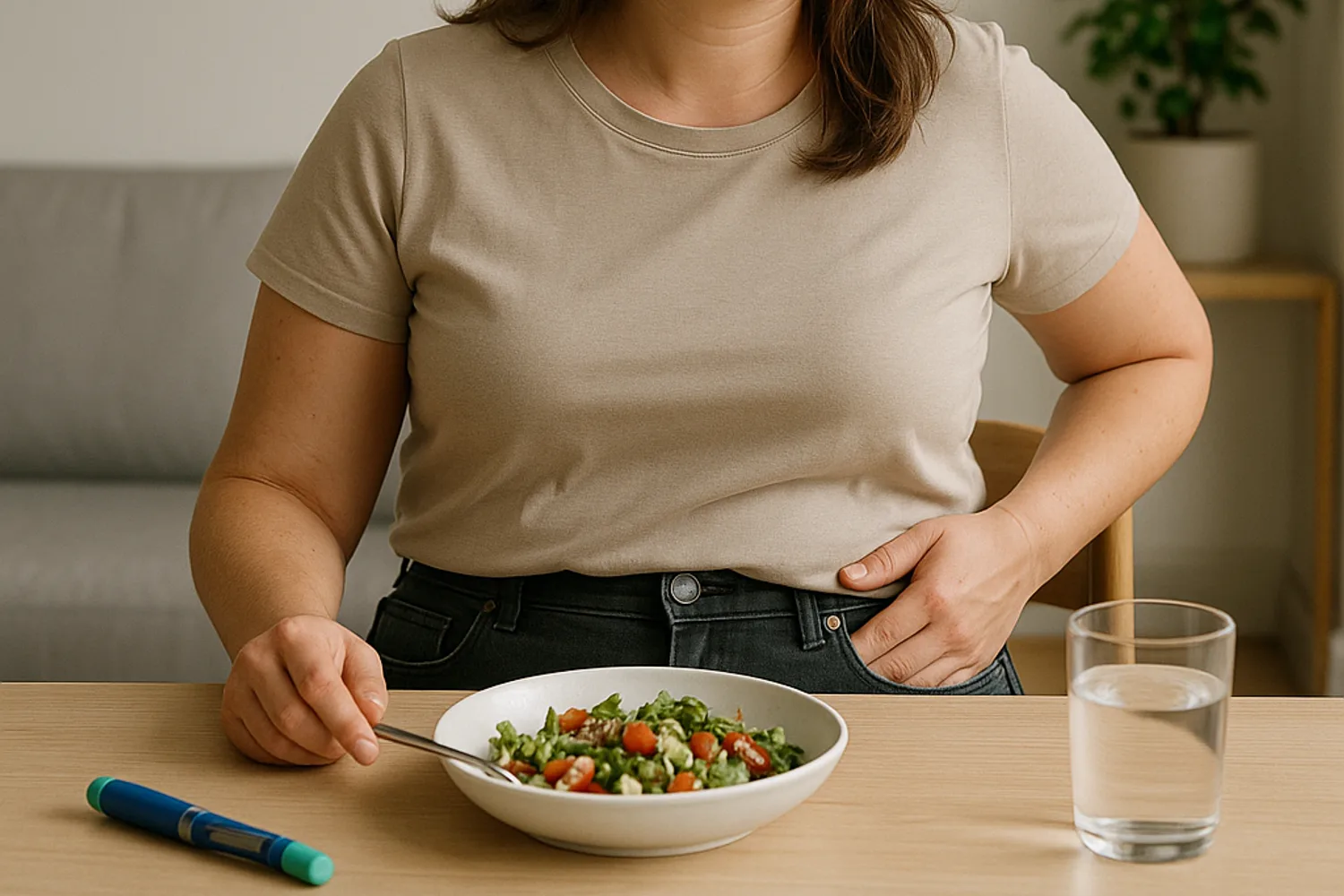
GLP-1 Rebound: How to Maintain Weight Loss After Stopping
GLP-1 agonist medications have become a powerful tool for many people on their weight management journey. They can lead to significant weight loss, helping to improve health and well-being. But a common and important question often arises: What happens when you stop taking them?
The concern about regaining weight—sometimes called the "GLP-1 rebound"—is valid. Understanding why it can happen is the first step toward creating a plan to maintain your hard-earned results. This guide offers a practical, evidence-aware look at how to navigate the transition and sustain your progress for the long term.
Consult your healthcare provider before starting any medication.
Understanding GLP-1 Medications and Weight Management
To prepare for life after GLP-1s, it’s helpful to understand what they do in the first place. These medications are not a temporary diet fix; they work on a deep biological level to help manage a chronic condition.
How GLP-1s Work
GLP-1 agonists mimic a natural hormone in your body called glucagon-like peptide-1. Their primary functions include:
- Slowing Digestion: They slow down how quickly your stomach empties, which helps you feel fuller for longer after meals.
- Signaling the Brain: They act on the appetite centers in your brain, reducing hunger signals and cravings.
- Regulating Blood Sugar: They help manage blood sugar levels, which can also play a role in hunger and energy.
Together, these effects create a biological environment that makes it easier to eat less without feeling constantly deprived. They are a tool that helps manage the underlying physiology of body weight regulation.
Why Weight Regain Can Happen
When you stop taking a GLP-1 medication, its effects wear off. The biological support system that was helping to manage your appetite and fullness is no longer present. Your body’s natural hunger signals, metabolic rate, and previous patterns of eating can return.
Clinical trials have shown that weight regain is common after discontinuing these medications. This is not a personal failure; it’s a predictable outcome of stopping an effective treatment for a chronic condition. Think of it like stopping blood pressure medication—the underlying condition that required treatment is still there.
The key is to use the time while on the medication to build a foundation of habits and skills that can support you long after the prescription ends.
Building a Sustainable Plan for Life After GLP-1s
Your time on a GLP-1 medication is a unique opportunity. With appetite and "food noise" turned down, you can focus on building the sustainable lifestyle habits that are the bedrock of long-term weight maintenance.
The Foundation: New Habits and Routines
The most successful approach is to view the medication as a stepping stone, not the entire path. Use this period to learn what it feels like to eat smaller portions, recognize true hunger, and build routines around healthy food and movement. By the time you stop the medication, these behaviors will feel more like second nature.
Nutrition Strategies for Maintenance
As your natural appetite returns, your nutritional strategy becomes more important than ever. The goal is to maximize satiety—the feeling of fullness and satisfaction—with every meal.
- Prioritize Protein: Protein is the most satiating macronutrient. Including a source of lean protein (like chicken, fish, beans, tofu, or Greek yogurt) with every meal helps control hunger and preserve muscle mass, which is vital for a healthy metabolism.
- Fill Up on Fiber: Fiber, found in fruits, vegetables, whole grains, and legumes, adds bulk to your meals and slows digestion. This helps you feel full on fewer calories, partially mimicking one of the effects of the GLP-1 medication.
- Practice Mindful Eating: Pay close attention to your body’s hunger and fullness cues. Eat slowly, savor your food, and stop when you feel satisfied, not stuffed. These skills are crucial when your internal appetite signals become stronger again.
- Stay Hydrated: Drinking plenty of water is essential for metabolism and can also help you feel full. Sometimes, our bodies mistake thirst for hunger.
The Power of Movement and Muscle
Exercise is a cornerstone of weight maintenance. While diet is often the primary driver of weight loss, physical activity is a key predictor of who keeps the weight off.
- Embrace Strength Training: Building and maintaining muscle is your metabolic secret weapon. Muscle tissue burns more calories at rest than fat tissue. Aim for two to three strength training sessions per week, focusing on major muscle groups. This can include lifting weights, using resistance bands, or bodyweight exercises.
- Incorporate Consistent Cardio: Cardiovascular exercise like walking, jogging, cycling, or swimming is excellent for heart health, mood, and calorie expenditure. Find an activity you enjoy and make it a non-negotiable part of your routine.
Working with Your Healthcare Team
Transitioning off a GLP-1 medication should not be a solo journey. Your healthcare provider is your most important partner in creating a safe and effective plan for long-term success.
Creating a Tapering Plan
Suddenly stopping the medication can be a jolt to your system. Many providers recommend a tapering-off period, where the dose is gradually reduced over several weeks or months. This can help your body adjust more smoothly to the return of its natural appetite and digestive speed.
Long-Term Follow-Up
Obesity is recognized as a chronic disease that requires ongoing management. Regular check-ins with your doctor, a registered dietitian, or a therapist can provide accountability and support. They can help you troubleshoot challenges, adjust your plan, and stay focused on your long-term health goals.
Consult your healthcare provider before starting any medication. Your medical team can discuss all available strategies, from lifestyle interventions to other therapeutic options, that are right for your individual health profile.
A Realistic Perspective on Your Journey
Maintaining weight loss after stopping a GLP-1 medication is challenging, but it is absolutely possible. Some weight regain may occur, and that’s okay. The goal is not perfection, but sustainable, long-term well-being.
Focus on the incredible skills you’ve built, the new relationship you have with food and your body, and the healthy habits you’ve put in place. These are the tools that will carry you forward. By combining a strong lifestyle foundation with ongoing medical support, you can transition confidently into the next phase of your health journey.
Sources
- Wilding, J. P. H., et al. (2022). Weight regain and cardiometabolic effects after withdrawal of semaglutide: The STEP 1 trial extension. Diabetes, Obesity and Metabolism, 24(8), 1553–1564. https://dom-pubs.onlinelibrary.wiley.com/doi/10.1111/dom.14725
- Ozempic prescribing information. https://www.accessdata.fda.gov/drugsatfda_docs/label/2025/209637s025lbl.pdf
- Wegovy prescribing information. https://www.accessdata.fda.gov/drugsatfda_docs/label/2024/215256s011lbl.pdf
- World Health Organization (WHO). (2024). Obesity. https://www.who.int/health-topics/obesity
Written by
B.com
Content Writer
Bikki Varma is a B.com professional who contributes evidence-informed health and wellness content for WeightEasy.
View profile →Reviewed by
BHMS
Senior Medical Reviewer
Dietitian with experience in nutrition counseling, meal planning and promoting healthy lifestyles. Dedicated to help individuals achieve optimal health and well-being through personalized nutrition strategies. Skilled in providing expert guidance for managing conditions like diabetes, weight challenges and Lifestyle management.
View profile →