
GLP-1 Drugs and Fatty Liver (MASH): What Patients Need to Know
Wegovy was approved for MASH in August 2025. Here is what that approval means, how semaglutide may help the liver, and where tirzepatide stands.
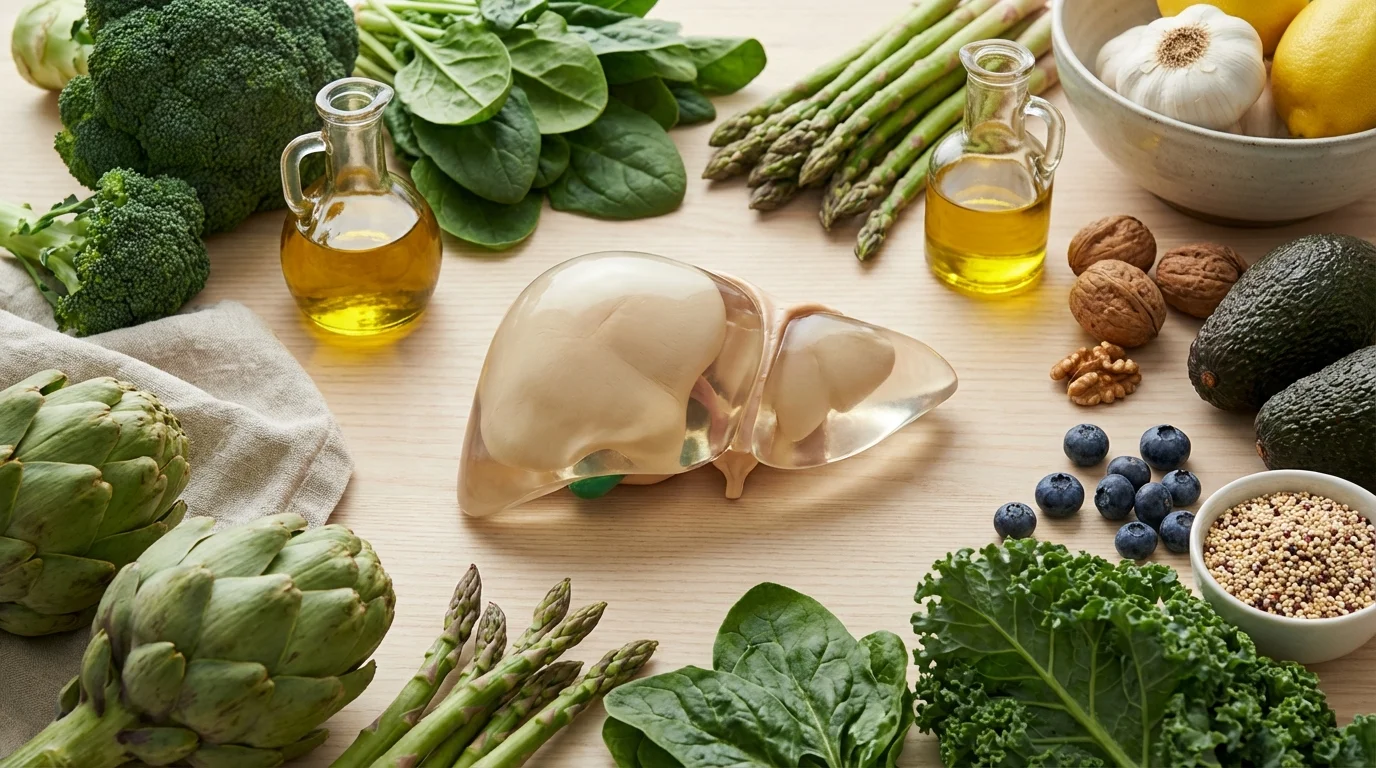
Fatty liver disease is common, but many people do not realise how serious it can become when inflammation and scarring develop. That more advanced form is now called MASH — metabolic dysfunction-associated steatohepatitis.
For patients with obesity, insulin resistance, or type 2 diabetes, this matters because incretin drugs are no longer just part of the weight-loss conversation. They are now part of the liver-disease conversation too. In fact, Wegovy became an FDA-approved treatment for MASH in August 2025.
Here is what that means, what the approval actually covers, and where other GLP-1 or incretin drugs stand as of May 8, 2026. Consult your healthcare provider before starting any medication.
What is MASH?
MASH is the newer name for what many people used to call NASH. It is a form of fatty liver disease in which fat buildup is not the whole story. The liver also develops inflammation and injury, and over time that can lead to fibrosis (scarring).
The big concern is progression. MASH can move toward:
- worsening fibrosis
- cirrhosis
- liver failure
- liver cancer
- liver transplant
FDA says the condition is closely linked with obesity, type 2 diabetes, high triglycerides, and high LDL cholesterol.
What exactly did FDA approve?
FDA announced on August 14, 2025 that it approved Wegovy (semaglutide) injection to treat:
Adults with noncirrhotic MASH and moderate-to-advanced liver fibrosis
The approval is specifically for Wegovy 2.4 mg, used together with diet and exercise.
Two important clarifications:
- this does not mean every semaglutide product is approved for MASH
- Ozempic is not approved for this indication
Wegovy’s MASH approval was granted through the accelerated approval pathway. That means the FDA based the decision on liver biopsy improvements that are expected to predict long-term benefit, while the longer confirmatory portion of the trial continues.
What the Wegovy MASH trial showed
FDA said the approval was based on an interim analysis from an ongoing phase 3 trial with 800 participants at week 72.
According to the FDA summary:
- 63% of participants receiving Wegovy had MASH resolution with no worsening of liver scarring
- 34% of participants receiving placebo met that same endpoint
- 37% of participants receiving Wegovy had improvement in liver fibrosis with no worsening of MASH
- 22% of participants receiving placebo met that fibrosis endpoint
The trial is continuing to evaluate whether those biopsy improvements translate into longer-term clinical benefits such as fewer liver-related complications.
Why GLP-1 drugs may help the liver
Semaglutide’s liver benefit is likely not explained by only one mechanism.
Weight loss
Weight loss matters a lot in fatty liver disease. When body weight falls, liver fat often falls too. For many patients, that alone can reduce liver inflammation and improve metabolic stress on the liver.
Better insulin sensitivity
Insulin resistance is a major driver of metabolic liver disease. GLP-1 drugs help improve glucose metabolism and reduce the metabolic conditions that push fat into the liver.
Lower liver inflammation
FDA’s approval summary and Novo Nordisk’s ESSENCE materials both support the idea that semaglutide’s benefit is not just cosmetic weight loss. The histology results showed changes in liver inflammation and fibrosis endpoints, which is why the indication matters clinically.
It is fair to say the full mechanism is still being worked out, but the treatment effect is now strong enough for FDA approval in a defined patient group.
Is Wegovy the first MASH drug?
No — and this is an important detail.
Wegovy was the first GLP-1 medicine approved for MASH, but it was not the first FDA-approved MASH treatment overall. That distinction matters because some summaries blur the two.
What about tirzepatide?
Tirzepatide is not FDA-approved for MASH as of May 8, 2026, but it is one of the most important drugs to watch in this area.
Eli Lilly reported in June 2024 that the phase 2 SYNERGY-NASH trial met its primary endpoint. Lilly said:
- 51.8%, 62.8%, and 73.3% of participants on tirzepatide 5 mg, 10 mg, and 15 mg achieved absence of MASH with no worsening of fibrosis
- 13.2% of placebo participants reached that endpoint
- more than half of patients on tirzepatide achieved improvement in fibrosis at 52 weeks, depending on dose
That does not equal approval, but it is a strong signal that tirzepatide may become a major future option in liver disease if later-stage evidence and regulatory review support it.
What about survodutide?
Survodutide, from Boehringer Ingelheim and Zealand Pharma, is another drug worth watching. It is a GLP-1/glucagon receptor agonist being developed for obesity and MASH.
Boehringer Ingelheim says its phase 3 REVIVE programme is ongoing. The glucagon component makes it especially interesting in liver disease because liver fat handling is central to the biology of MASH.
For now, though, it remains investigational.
Who should ask a doctor about GLP-1 treatment for MASH?
This is a conversation worth having if you have:
- biopsy-proven MASH
- fibrosis stage F2 or F3
- obesity or overweight with metabolic disease
- type 2 diabetes plus fatty liver
- abnormal liver tests with known metabolic risk factors
A hepatologist or gastroenterologist is usually the best specialist to guide this. Some patients will also need coordination with an obesity-medicine or endocrinology clinician.
What this does not mean
The approval is meaningful, but it does not mean:
- every person with fatty liver should start Wegovy
- every semaglutide brand is interchangeable for the MASH indication
- medication replaces diet, activity, and metabolic risk management
- short-term weight loss alone tells you what is happening in the liver
MASH care still needs proper diagnosis, staging, and follow-up.
Bottom line
As of May 8, 2026, Wegovy 2.4 mg is FDA-approved for adults with noncirrhotic MASH and moderate-to-advanced fibrosis, making it the first GLP-1 drug approved for this liver condition.
That is a real shift in the role of incretin therapy. These drugs are no longer only about appetite and weight. In the right patients, they are now part of evidence-based liver disease treatment too.
Tirzepatide and survodutide are important next-wave contenders, but they are still behind Wegovy in regulatory status for MASH. If you have fatty liver disease and metabolic risk factors, this is a good topic to bring to your specialist appointment. Consult your healthcare provider before starting any medication.
Related Articles
- Long-Term Safety of Semaglutide: What the Evidence Shows
- GLP-1 Drugs and Pregnancy: What You Need to Know
- New GLP-1 Drugs Pipeline 2026–2027: What's Coming
Sources
- FDA approval announcement for Wegovy in MASH, August 14, 2025: https://www.fda.gov/drugs/news-events-human-drugs/fda-approves-treatment-serious-liver-disease-known-mash
- Wegovy prescribing information: https://www.accessdata.fda.gov/drugsatfda_docs/label/2024/215256s011lbl.pdf
- Novo Nordisk 2025 investor presentation summarising the ESSENCE programme: https://www.novonordisk.com/content/dam/nncorp/global/en/investors/pdfs/financial-results/2025/Q2-2025-investor-presentation-updated.pdf
- PubMed record for tirzepatide MASH results, June 8, 2024: https://pubmed.ncbi.nlm.nih.gov/38856224/
- Boehringer Ingelheim pipeline information for survodutide / REVIVE programme: https://www.boehringer-ingelheim.com/science-innovation/human-health-innovation/liver-diseases/mash-metabolic-dysfunction-associated-steatohepatitis
FAQ
Is Wegovy approved for fatty liver disease?
Yes. FDA approved Wegovy (semaglutide 2.4 mg) on August 14, 2025 for adults with noncirrhotic MASH and moderate-to-advanced liver fibrosis, to be used with diet and exercise.
Is Ozempic approved for MASH?
No. Ozempic is not FDA-approved for MASH. The MASH approval is specifically for Wegovy 2.4 mg.
What is MASH?
MASH stands for metabolic dysfunction-associated steatohepatitis. It is a more serious form of fatty liver disease in which liver fat is linked with inflammation and scarring, raising the risk of cirrhosis and other liver complications.
Can tirzepatide help fatty liver?
Tirzepatide is not FDA-approved for MASH as of May 8, 2026, but Lilly reported positive SYNERGY-NASH trial results showing improved MASH resolution and fibrosis endpoints in adults with biopsy-proven disease.
Written by
Dietician / Nutritionist
Health Content Writer
Isha Yadav is a Dietician / Nutritionist professional who contributes evidence-informed health and wellness content for WeightEasy.
View profile →Reviewed by
BHMS
Senior Medical Reviewer
Dietitian with experience in nutrition counseling, meal planning and promoting healthy lifestyles. Dedicated to help individuals achieve optimal health and well-being through personalized nutrition strategies. Skilled in providing expert guidance for managing conditions like diabetes, weight challenges and Lifestyle management.
View profile →