
GLP-1 Insurance Coverage in 2026: What Is and Is Not Covered
Get an overview of insurance coverage for GLP-1 treatments in 2026 and factors that may influence benefits.
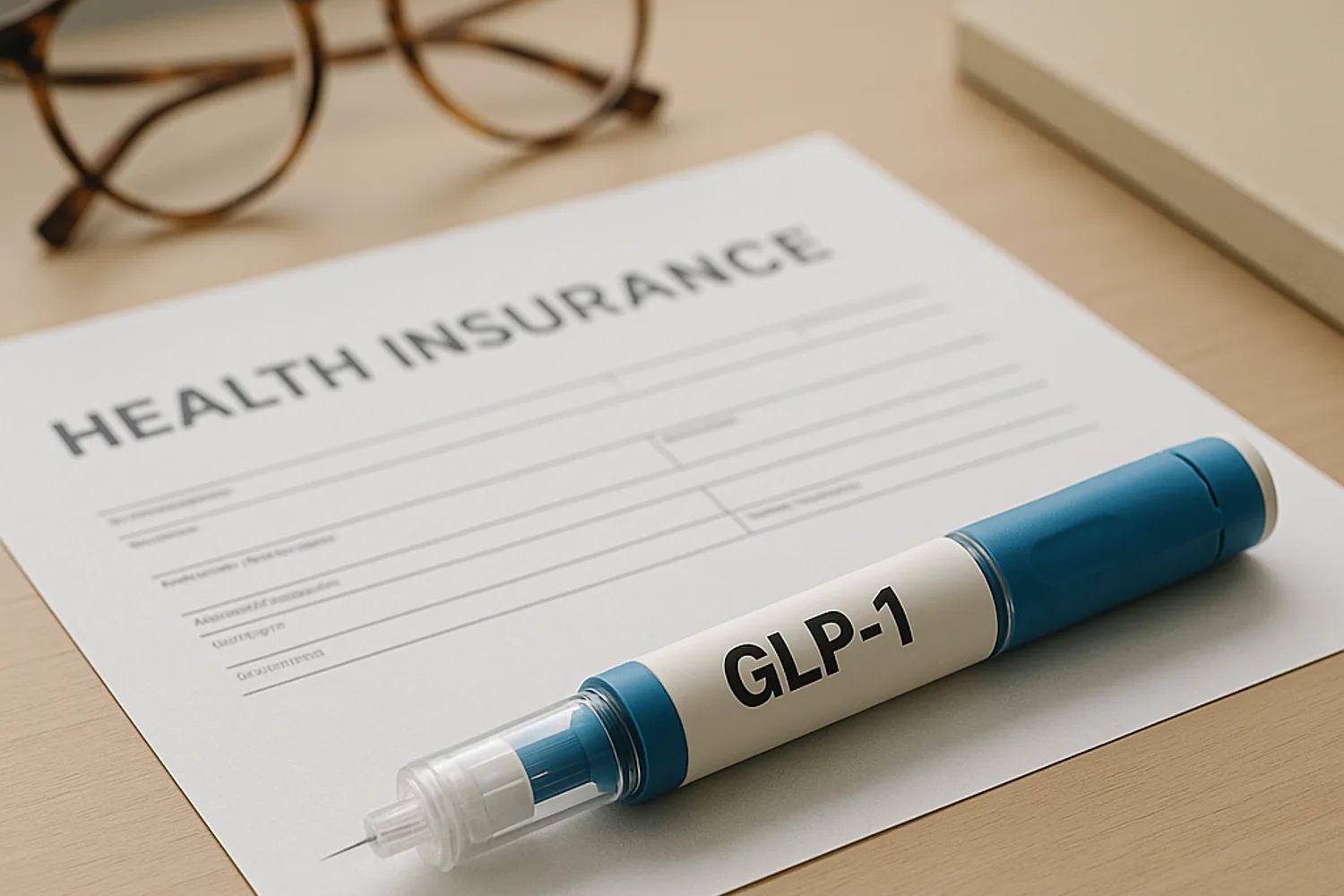
GLP-1 Insurance Coverage in 2026: What Is and Is Not Covered
GLP-1 receptor agonists, often called GLP-1s, have become a significant topic of conversation in healthcare. These medications are used to manage type 2 diabetes and, in some cases, for chronic weight management. As more people explore these options with their doctors, a critical question arises: will my insurance cover it?
Navigating insurance policies can feel overwhelming, but understanding the fundamentals can empower you to have more productive conversations with your doctor and insurance provider. This guide will walk you through the general landscape of GLP-1 insurance coverage in 2026, explaining what is often covered, what may not be, and the steps involved in the process. Consult your healthcare provider before starting any medication.
Understanding GLP-1 Medications
Before diving into insurance specifics, it helps to know a little about the medications themselves.
What Are They?
GLP-1s are a class of medications that work by mimicking a natural hormone in your body called glucagon-like peptide-1. This hormone plays a role in regulating appetite and blood sugar. These medications are typically prescribed for two main reasons:
- To manage blood sugar levels in adults with type 2 diabetes.
- For chronic weight management in adults who meet specific criteria, such as a certain Body Mass Index (BMI), often with at least one weight-related health condition like high blood pressure or high cholesterol.
Why Is Insurance a Key Part of the Discussion?
The effectiveness and growing demand for GLP-1s have placed them under a microscope for insurance companies. Because they are newer, brand-name medications, they often come with a high price tag. Insurers create policies to manage these costs, which directly affects how and when patients can access them.
How Insurance Coverage for GLP-1s Generally Works
Insurance plans for prescription drugs are not one-size-fits-all. They vary widely between providers, countries, and even between different plans offered by the same employer. However, most follow a similar structure based on a few key concepts.
The Formulary
Every insurance plan has a formulary, which is simply a list of prescription drugs it covers. Formularies are often divided into tiers. Drugs in lower tiers (like generics) usually have a lower out-of-pocket cost for you, while drugs in higher tiers (like non-preferred brand-name drugs) cost more. Where a specific GLP-1 medication falls on your plan's formulary will be a major factor in its cost.
Prior Authorization
For many GLP-1s, insurers require a "prior authorization." This is a process where your doctor must get approval from your insurance company before prescribing the medication. Your doctor's office submits documentation to show that the medication is medically necessary for your specific health condition. This is the insurer's way of ensuring the medication is being used for an approved reason and that other options may have been considered.
Step Therapy
Some plans may require "step therapy." This means you may need to try one or more different, often lower-cost, medications first before the plan will approve a GLP-1. For example, a person with type 2 diabetes might be asked to try a medication like metformin before being approved for a GLP-1.
What Is and Is Not Typically Covered in 2026
Coverage is almost always tied to medical necessity. Insurers cover treatments for diagnosed health conditions, not for cosmetic purposes.
Covered: Medically Necessary Uses
Your chances of getting a GLP-1 medication covered are highest when it is prescribed for its approved use.
- Type 2 Diabetes: This is the most widely covered use for GLP-1s. Most insurance formularies include at least one or two GLP-1 medications for managing type 2 diabetes, though they may still require prior authorization.
- Chronic Weight Management: Coverage for weight management is growing but remains more complex. Insurers that do cover it typically require patients to meet strict criteria defined by health authorities like the FDA. This often includes a BMI over a certain threshold (e.g., 30, or 27 with a related health condition). Your doctor must document that you meet these specific medical guidelines. It is also important to note that some employer-sponsored health plans specifically exclude coverage for any weight management medications.
Not Covered or Limited Coverage: Other Uses
Insurance plans are very unlikely to cover medications for uses that are not medically documented or fall outside of established guidelines.
- Cosmetic Weight Loss: GLP-1s are not intended for and are not covered for cosmetic weight loss or for individuals who do not meet the clinical criteria for chronic weight management.
- "Off-Label" Use: When a doctor prescribes a drug for a condition it isn't officially approved to treat, it's called "off-label" use. While this is a legal and common practice in medicine, insurers are generally not required to cover off-label prescriptions and often deny them.
Navigating the Process with Your Doctor and Insurer
Being proactive and informed is your best strategy. The process starts and ends with clear communication.
Your Healthcare Provider's Role
Your doctor is your most important partner. They will determine if a GLP-1 is an appropriate option for you based on your health profile. If it is, their office will manage the prescription and handle the necessary paperwork for prior authorization, detailing why the medication is medically necessary for you.
Questions to Ask Your Insurance Provider
Call the member services number on the back of your insurance card and be ready with a few questions:
- Is the specific medication my doctor mentioned on my plan's formulary?
- If so, what tier is it on, and what will my estimated copay be?
- Does this medication require prior authorization or step therapy?
- What are the specific medical criteria for it to be approved?
- Are there any preferred GLP-1 alternatives on my plan that might have lower costs?
What to Do If Coverage is Denied
A denial is not always the final answer. You have the right to appeal the decision. Your doctor can help you with this process, which often involves submitting more detailed medical information or a letter explaining why you need that specific medication.
The Evolving Landscape
The world of healthcare and insurance is constantly changing. Formularies are updated, new medications become available, and coverage policies evolve. Because of this, it is essential to review your health plan's drug coverage every year during open enrollment to see if anything has changed.
Navigating your health journey requires asking the right questions and understanding your options. Whether you are exploring GLP-1s or other treatments, being an informed patient is key to working effectively with your healthcare team. Consult your healthcare provider before starting any medication.
Sources
- CMS — prescription drug coverage general information: https://www.cms.gov/medicare/coverage/prescription-drug-coverage
- CMS — Part D coverage determinations: https://www.cms.gov/medicare/appeals-grievances/prescription-drug/coverage-determinations
- NIDDK — insulin, medicines, and other diabetes treatments: https://www.niddk.nih.gov/health-information/diabetes/overview/insulin-medicines-treatments
- World Health Organization (WHO) — obesity and overweight: https://www.who.int/news-room/fact-sheets/detail/obesity-and-overweight
Written by
Dietician / Nutritionist
Health Content Writer
Sayali Satyawan Savardekar is a Dietician / Nutritionist professional who contributes evidence-informed health and wellness content for WeightEasy.
View profile →Reviewed by
Dietician / Nutritionist
Senior Medical Reviewer
Dt Neha is a Dietician / Nutritionist professional who reviews WeightEasy health content for medical and editorial accuracy.
View profile →