
GLP-1 Drugs and Gallbladder Problems: What the Research Shows
Explore research on the relationship between GLP-1 drugs and gallbladder issues, with information on what is currently known.
GLP-1 Drugs and Gallbladder Problems: What the Research Shows
GLP-1 receptor agonists—a class of medications including popular drugs like semaglutide and liraglutide—have become a significant tool in managing type 2 diabetes and supporting weight loss. As more people use these medications, it’s natural for questions to arise about their potential side effects. One topic that has gained attention is the connection between GLP-1 drugs and gallbladder problems.
This article offers a practical, evidence-aware look at what the research shows, helping you understand the connection without hype or fear. Our goal is to provide clear information so you can have more informed conversations with your healthcare team. Consult your healthcare provider before starting any medication.
Understanding the Gallbladder: A Quick Refresher
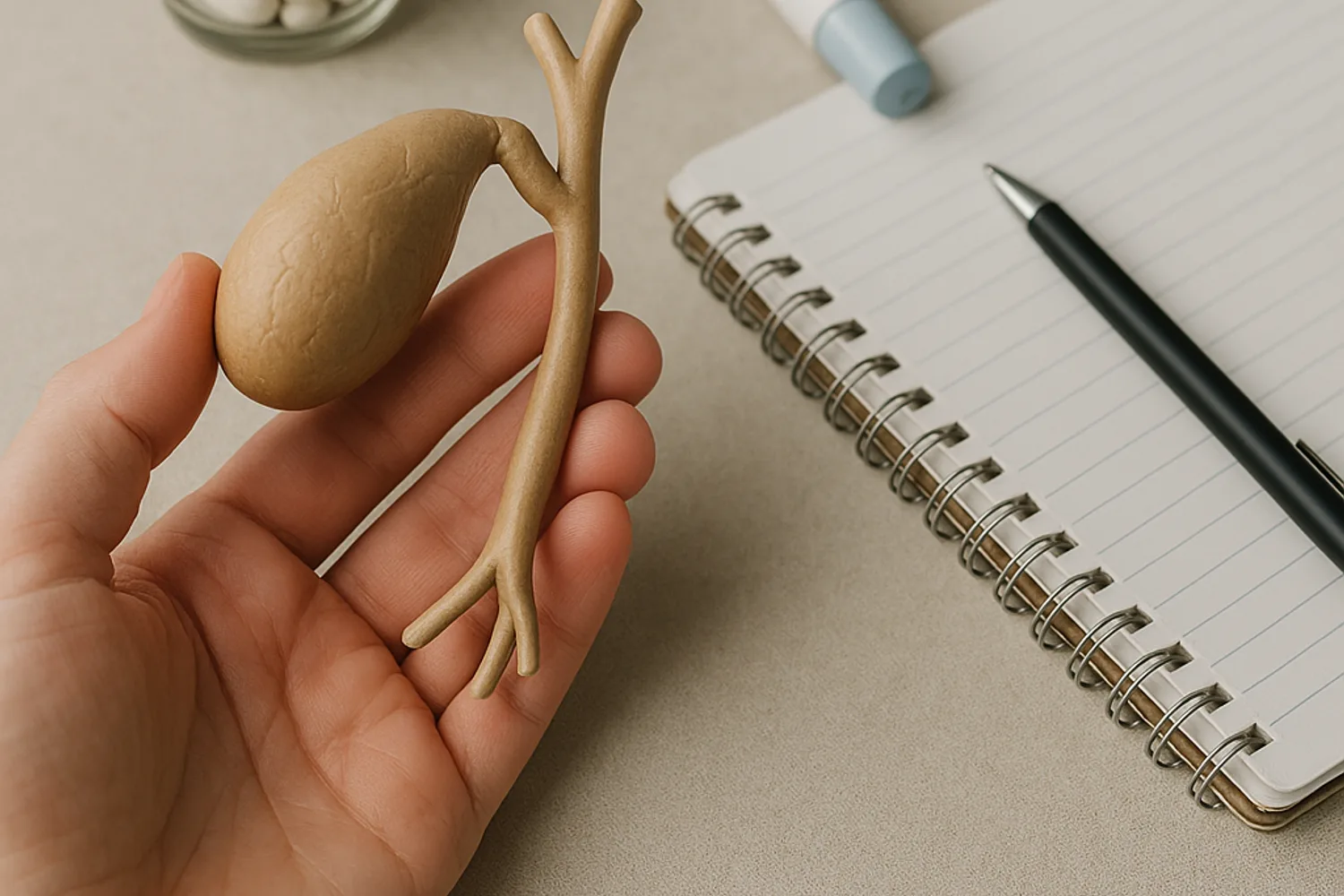
Before diving into the research, it’s helpful to understand what the gallbladder does. The gallbladder is a small, pear-shaped organ located just beneath your liver. Its main job is to store and concentrate bile, a digestive fluid produced by the liver. When you eat fatty foods, the gallbladder releases bile into the small intestine to help break down the fat.
Common gallbladder problems include:
- Gallstones (Cholelithiasis): Hardened deposits of digestive fluid that can form in your gallbladder. They can be as small as a grain of sand or as large as a golf ball.
- Inflammation (Cholecystitis): This often happens when a gallstone blocks the duct leading out of the gallbladder, causing bile to build up.
- Bile Duct Blockage: A gallstone can move out of the gallbladder and get stuck in the common bile duct, which can lead to infection or other serious issues.
It's also important to know that rapid weight loss, from any method, is a well-established risk factor for developing gallstones. During rapid weight loss, the liver secretes extra cholesterol into the bile, and the gallbladder may not empty as regularly, creating conditions ripe for stone formation.
The Link Between GLP-1s and Gallbladder Issues: What Does the Science Say?
The connection between GLP-1 medications and gallbladder events is not just speculation; it has been observed in clinical research. Regulatory bodies like the U.S. Food and Drug Administration (FDA) have included warnings about gallbladder problems on the official prescribing information for these drugs.
Findings from Clinical Trials
From the initial clinical trials for both diabetes and weight management, researchers noticed a small but consistent increase in gallbladder-related events (like gallstones or gallbladder inflammation) among participants taking GLP-1 drugs compared to those taking a placebo.
While the overall number of people affected was low, the trend was statistically significant, meaning it was unlikely to be due to chance. This led to the inclusion of cautionary information on the drug labels.
Insights from Larger Studies
More recently, researchers have conducted large-scale analyses, known as meta-analyses, which pool the data from many different studies. These comprehensive reviews have largely confirmed the findings from the initial trials.
A 2022 meta-analysis published in JAMA Internal Medicine looked at 76 randomized clinical trials and found that, compared with placebo or other medications, the use of GLP-1 agonists was associated with an increased risk of gallbladder and biliary diseases. The key takeaway is that while the relative risk is higher, the absolute risk for any single person remains low.
How Might GLP-1s Affect the Gallbladder?
Researchers believe there are two primary ways GLP-1 drugs may contribute to gallbladder problems.
-
Direct Effects on the Gallbladder: One of the main ways GLP-1s work is by slowing down digestion, which helps you feel full longer. This slowing effect can also impact the gallbladder, causing it to contract less frequently. When bile sits in the gallbladder for longer periods, it can become more concentrated, which increases the likelihood that gallstones will form.
-
The Role of Rapid Weight Loss: As mentioned earlier, significant and rapid weight loss is a major independent risk factor for gallstones. Since GLP-1s are highly effective at promoting weight loss, it can be difficult to separate the effect of the drug itself from the effect of the weight loss it causes. Both factors likely contribute to the increased risk.
Putting the Risk into Perspective
Hearing about a potential side effect can be concerning, but it’s important to see the whole picture. For many individuals, the health benefits of significant weight loss and improved glycemic control—such as reduced risk of heart disease, stroke, and other obesity-related conditions—can be life-changing.
The risk of developing gallbladder problems while taking a GLP-1 medication is still considered low for the average person. This risk should be weighed against the proven benefits of the medication in a discussion with a healthcare provider who understands your complete health profile, including any pre-existing risk factors for gallbladder disease (such as a family history or prior gallbladder issues).
Signs to Be Aware Of
Being informed also means knowing what symptoms to watch for. If you experience any of the following, it’s important to seek prompt medical attention, whether you are taking a GLP-1 medication or not.
- Sudden and intense pain in the upper right portion of your abdomen
- Pain that spreads to your back or between your shoulder blades
- Nausea or vomiting
- Fever or chills
- Yellowing of your skin and the whites of your eyes (jaundice)
- Clay-colored stools
These symptoms warrant a call to your doctor or a visit to an urgent care facility.
Your Next Steps: A Path Forward
Understanding the research is the first step. The next is to use that information to work with your healthcare team to make the best decision for you.
Talk to Your Doctor
Open communication with your provider is essential. Discuss your personal and family medical history, including any past gallbladder issues. This conversation will help determine if a GLP-1 medication is a suitable and safe option for your health journey. Consult your healthcare provider before starting any medication.
Monitor Your Health
If you and your doctor decide a GLP-1 is right for you, stay attuned to your body. Be aware of the potential signs of gallbladder distress listed above. Early detection and treatment of gallbladder problems can prevent more serious complications.
Focus on a Balanced Approach
While GLP-1s can be very effective, they work best as part of a comprehensive plan. A steady, sustainable rate of weight loss may be gentler on your system than an extremely rapid drop. A holistic program that includes guidance on nutrition, physical activity, and behavior change can support your long-term health and well-being.
Ultimately, being an informed patient is your greatest asset. By understanding the science, recognizing the symptoms, and maintaining a strong partnership with your healthcare provider, you can navigate your health journey with confidence.
Sources
- U.S. Food and Drug Administration (FDA). Wegovy (semaglutide) Prescribing Information. URL: https://www.accessdata.fda.gov/drugsatfda_docs/label/2021/215256s000lbl.pdf
- He, L., Wang, J., Ping, F., et al. Association of Glucagon-Like Peptide-1 Receptor Agonist Use With Risk of Gallbladder and Biliary Diseases: A Systematic Review and Meta-analysis of Randomized Clinical Trials. JAMA Internal Medicine, 2022. URL: https://jamanetwork.com/journals/jamainternalmedicine/fullarticle/2790262
- National Institute of Diabetes and Digestive and Kidney Diseases (NIDDK). Gallstones. URL: https://www.niddk.nih.gov/health-information/digestive-diseases/gallstones
- MedlinePlus. Gallbladder Diseases. URL: https://medlineplus.gov/gallbladderdiseases.html
- Sodhi, M., Rezaeianzadeh, R., Kezouh, A., et al. Risk of Biliary Events With Glucagon-Like Peptide-1 Receptor Agonists in Patients With Type 2 Diabetes. JAMA Network Open, 2023. URL: https://jamanetwork.com/journals/jamanetworkopen/fullarticle/2810848
Written by
Pharmacist
Senior Medical Reviewer
Hinal is a Pharmacist professional who reviews WeightEasy health content for medical and editorial accuracy.
View profile →Reviewed by
Immunobiologist
Senior Medical Reviewer
Dr Kshama Jain is an Immunobiologist professional who reviews WeightEasy health content for medical and editorial accuracy.
View profile →