
How Much Weight Can You Lose on Ozempic? Realistic Expectations
Get an overview of typical weight loss results when using Ozempic and what to expect during treatment.
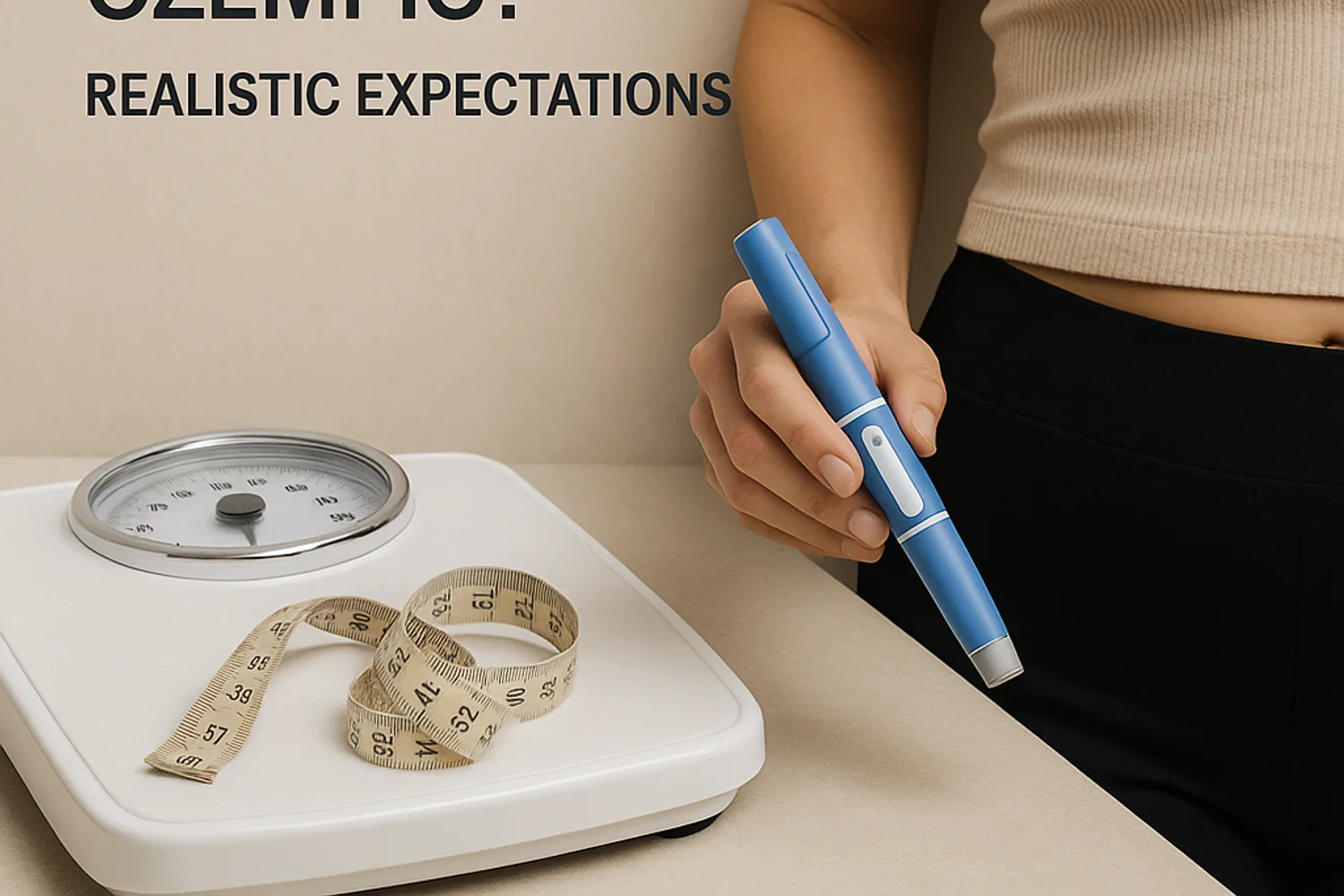
A New Chapter in Weight Management
The conversation around weight loss has changed dramatically in recent years, and medications like Ozempic are a major reason why. You’ve likely heard stories of significant weight loss, but it's important to separate the hype from the reality. If you're wondering how much weight you can realistically lose on Ozempic, you've come to the right place. This article will walk you through the clinical evidence, the factors that influence results, and what to expect on your journey.
Ozempic is a powerful tool, but it's not a magic wand. Understanding how it works and what the research says is the first step toward making an informed decision about your health. Consult your healthcare provider before starting any medication.
What is Ozempic and How Does It Work for Weight Loss?
Ozempic is the brand name for semaglutide, a medication that was initially approved to help manage blood sugar levels in adults with type 2 diabetes. However, doctors and patients quickly noticed a significant side effect: weight loss.
Ozempic belongs to a class of drugs called GLP-1 (glucagon-like peptide-1) receptor agonists. It works by mimicking a natural hormone in your body that helps regulate appetite and digestion. Here’s a simple breakdown of its effects:
- It slows down digestion: The medication causes food to stay in your stomach longer. This physical effect helps you feel fuller for a greater period after eating.
- It targets the brain: Ozempic sends signals to the appetite centers in your brain, reducing hunger pangs and cravings. This makes it easier to eat smaller portions and feel satisfied.
- It impacts blood sugar: For those with type 2 diabetes, it also helps the pancreas release the right amount of insulin when blood sugar is high.
It's worth noting that the same active ingredient, semaglutide, is also available under the brand name Wegovy. While Ozempic is prescribed for type 2 diabetes, Wegovy is specifically approved for chronic weight management at a higher maintenance dose.
The Clinical Evidence: What Do the Studies Say?
To understand realistic weight loss expectations, we need to look at the clinical trials. The most significant research on semaglutide for weight loss comes from a series of studies known as the STEP (Semaglutide Treatment Effect in People with Obesity) trials.
The STEP 1 Trial: A Key Benchmark
This landmark study, published in The New England Journal of Medicine, provides the clearest picture of what's possible. The trial involved nearly 2,000 adults with obesity but without diabetes. Participants received a weekly injection of semaglutide (at the higher 2.4 mg dose found in Wegovy) or a placebo for 68 weeks.
Crucially, everyone in the study also received counseling on lifestyle changes, including a reduced-calorie diet and increased physical activity.
The results were striking:
- The group taking semaglutide lost an average of 14.9% of their initial body weight.
- The group taking the placebo lost an average of 2.4% of their body weight.
To put that into perspective, a person weighing 230 pounds who experienced the average result would lose approximately 34 pounds. More than one-third of the participants taking semaglutide lost 20% or more of their body weight.
Results for People with Type 2 Diabetes
The results are slightly different for individuals who have type 2 diabetes. Other studies have shown that this group still experiences significant weight loss, but it's typically more modest. On average, people with type 2 diabetes taking Ozempic tend to lose around 6-10% of their body weight. The complex interplay of insulin, blood sugar, and other metabolic factors can influence the degree of weight loss.
Beyond the Average: Factors That Influence Your Results
The 15% figure is an average, meaning some people lose more and some lose less. Your individual results will depend on a variety of factors.
Lifestyle, Lifestyle, Lifestyle
This cannot be overstated. In all the major clinical trials, semaglutide was studied as an addition to diet and exercise, not a replacement for them. The medication is designed to make it easier to adhere to a healthier lifestyle. It quiets the "food noise" and enhances feelings of fullness, giving you the control to make more nutritious choices and manage portion sizes. Those who commit to sustainable changes in their eating habits and activity levels typically see the best results.
Your Starting Point
Because weight loss is often measured as a percentage, the absolute number of pounds you lose will depend on your starting weight. Someone with a higher initial body weight has more to lose and may see a larger drop on the scale, even with the same percentage of weight loss as someone smaller.
Consistency and Adherence
Taking your medication consistently as prescribed by your doctor is key. The dose is typically increased gradually over several months to help your body adjust and minimize side effects. Sticking with this titration schedule and your long-term dose is essential for achieving the full effect.
Individual Biology
Every body is unique. Factors like genetics, metabolic health, hormonal balance, and the presence of other medical conditions can all influence how you respond to Ozempic. Some people are "super-responders" and lose weight rapidly, while others may experience a more gradual, modest loss.
What Happens If You Stop Taking Ozempic?
It's important to view obesity as a chronic condition, much like high blood pressure or high cholesterol. GLP-1 medications like Ozempic work to manage this condition while you are taking them.
When the medication is stopped, its effects—slowing digestion and suppressing appetite—wear off. Studies have shown that upon discontinuing the medication, most people regain a significant portion, often up to two-thirds, of the weight they lost within a year. This isn't a personal failure; it's the result of the underlying biology of appetite and weight regulation returning to its previous state. This highlights the importance of building sustainable lifestyle habits that can be maintained long-term, whether you continue the medication or not.
A Realistic Timeline for Weight Loss
Weight loss on Ozempic is a marathon, not a sprint. The medication dose is started low and increased every four weeks to manage potential side effects like nausea. You may not notice significant changes in the first month or two.
Weight loss typically becomes more consistent once you reach a therapeutic dose. A healthy and sustainable rate of loss is often around 1 to 2 pounds per week, though this can vary. Plateaus are also a normal part of any weight loss journey, so don't be discouraged if your progress stalls temporarily.
The Broader Picture: More Than Just a Number on the Scale
While weight loss is the most talked-about benefit, it's just one piece of a larger health puzzle. The weight loss achieved with Ozempic is often associated with significant improvements in other health markers, including:
- Better blood sugar control
- Lower blood pressure
- Improved cholesterol and triglyceride levels
- Reduced risk of heart attack and stroke
Focusing on these non-scale victories can provide powerful motivation and a more holistic view of your progress.
Your Path Forward
So, how much weight can you lose on Ozempic? The clinical data suggests that an average loss of around 15% of body weight is a realistic expectation for people without diabetes when combined with lifestyle changes. For those with type 2 diabetes, the average is closer to 6-10%. However, your individual results will depend on your commitment to diet and exercise, your starting weight, and your unique biology.
This medication can be a life-changing tool, empowering you to build healthier habits that last. A supportive program, like the approach found at WeightEasy, can be instrumental in helping you integrate these critical lifestyle changes for long-term success. The journey is a partnership between you, your healthcare team, and the tools you choose to use.
Consult your healthcare provider before starting any medication.
Sources
- Wilding, J. P. H., et al. (2021). Once-Weekly Semaglutide in Adults with Overweight or Obesity. The New England Journal of Medicine. https://pubmed.ncbi.nlm.nih.gov/33567185/
- U.S. Food & Drug Administration (FDA). (2022). Ozempic (semaglutide) injection. https://www.accessdata.fda.gov/drugsatfda_docs/label/2022/209637s012lbl.pdf
- Mayo Clinic. (2023). Semaglutide (Subcutaneous Route) Description and Brand Names. https://www.mayoclinic.org/drugs-supplements/semaglutide-subcutaneous-route/description/drg-20406730
- Ozempic official patient website. https://www.ozempic.com/
- Rubino, D. M., et al. (2022). Effect of Continued Weekly Subcutaneous Semaglutide vs Placebo on Weight Loss Maintenance in Adults With Overweight or Obesity. JAMA. https://jamanetwork.com/journals/jama/fullarticle/2790518
Written by
Dietician / Nutritionist, Phd scholar
Senior Medical Reviewer
Nishat Anjum is a Dietician / Nutritionist, Phd scholar professional who reviews WeightEasy health content for medical and editorial accuracy.
View profile →Reviewed by
Dietician / Nutritionist
Senior Medical Reviewer
Dt Neha is a Dietician / Nutritionist professional who reviews WeightEasy health content for medical and editorial accuracy.
View profile →