
How to Stop Ozempic Safely: A Step-by-Step Tapering Guide
Review a stepwise approach to tapering off Ozempic safely, with guidance on managing the process responsibly.
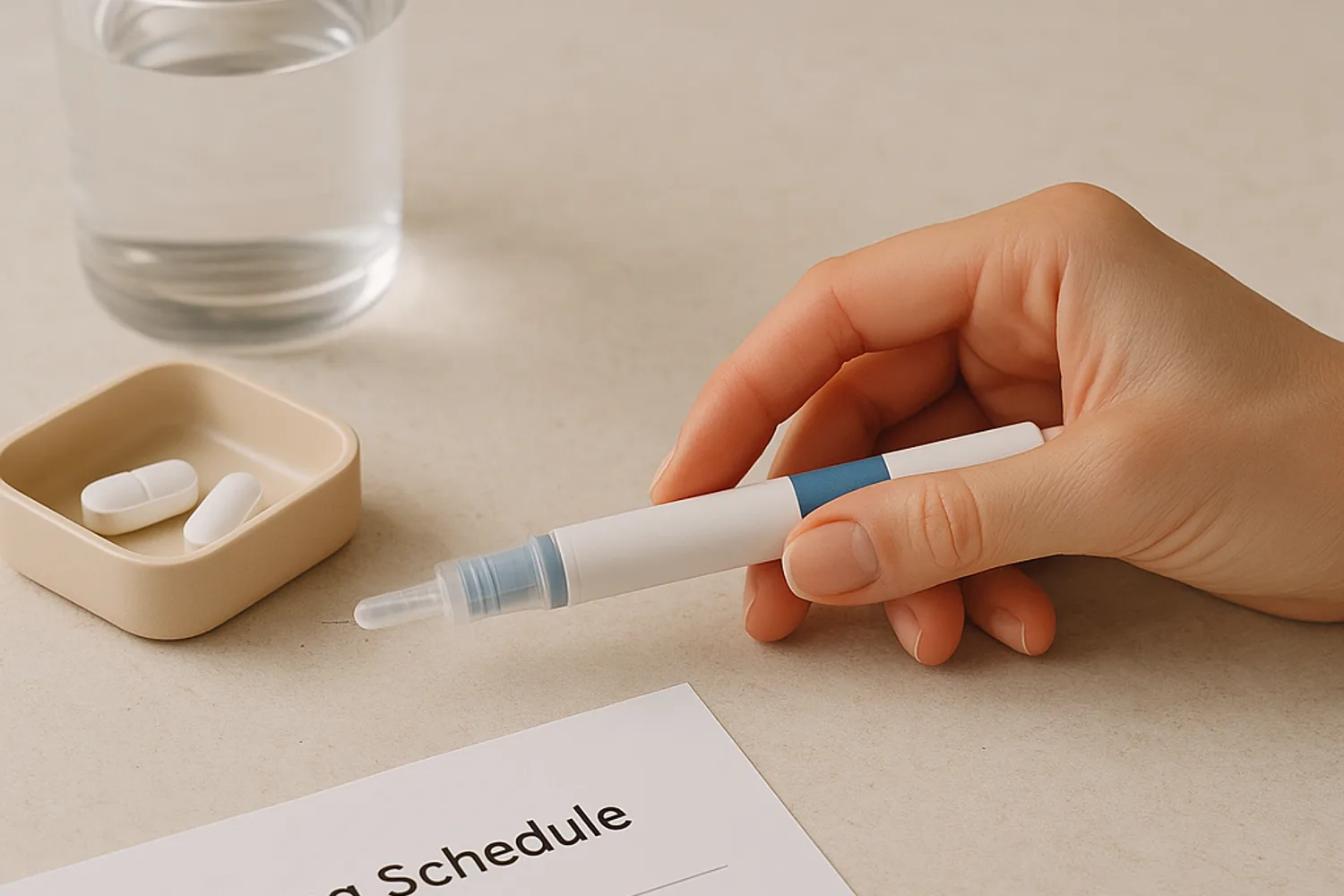
How to Stop Ozempic Safely: A Step-by-Step Tapering Guide
Ozempic (the brand name for the medication semaglutide) has become a significant tool in managing type 2 diabetes and supporting weight management journeys. For many, it’s a long-term treatment. However, you might be considering stopping for a variety of valid reasons: you’ve reached your health goals, you're managing side effects, or perhaps for financial or personal reasons.
Whatever your motivation, the decision to discontinue a medication like Ozempic should be approached with careful planning and professional guidance. This article provides a practical, evidence-aware overview of how to stop Ozempic safely, focusing on a gradual tapering process designed to support your long-term well-being. This information is for educational purposes and is not a substitute for professional medical advice. Consult your healthcare provider before starting any medication.
The Importance of a Guided Approach
It can be tempting to simply stop taking the medication once you've decided to discontinue it. However, stopping Ozempic "cold turkey" is not recommended. Ozempic works by mimicking a hormone called GLP-1, which influences your blood sugar, digestion, and feelings of fullness. When you stop the medication abruptly, your body needs time to readjust.
An abrupt stop could lead to:
- Blood Sugar Fluctuations: For individuals using Ozempic for type 2 diabetes, a sudden stop can cause blood sugar levels to rise.
- Increased Appetite and Cravings: The medication’s appetite-suppressing effects will wear off, and hunger cues can return suddenly and intensely.
- Gastrointestinal Discomfort: Some people may experience digestive changes as their system adjusts.
A planned, gradual reduction—known as tapering—is the safest and most effective way to transition off the medication. This process should always be designed and supervised by your healthcare provider.
Understanding Tapering: A Step-by-Step Overview
Tapering means slowly decreasing your dose over a set period. The goal is to give your body a chance to adapt to the absence of the medication, minimizing potential side effects and helping you build confidence in managing your health without it.
Every tapering plan is unique and must be tailored to your specific situation, including your current dose, how long you’ve been taking the medication, and your overall health profile.
Step 1: The Conversation with Your Doctor
This is the most critical and non-negotiable first step. Schedule an appointment with the doctor who prescribes your Ozempic to discuss your desire to stop.
Be prepared to talk about:
- Your reasons for wanting to discontinue the medication.
- Your progress and experiences while on it.
- Your concerns about stopping, such as weight regain or blood sugar control.
- Your current lifestyle habits related to nutrition and physical activity.
Your doctor will review your medical history and work with you to create a personalized tapering schedule that is both safe and realistic. They will provide the exact dosages and timeline for you to follow.
Step 2: An Example Tapering Schedule
It is essential to understand that any schedule you read online is purely illustrative. Your doctor’s plan is the only one you should follow.
However, to help you visualize the process, a tapering plan might look something like this:
- Current Dose: 2.0 mg per week
- Step-Down 1: Reduce to 1.0 mg per week for 4 weeks.
- Step-Down 2: Reduce to 0.5 mg per week for 4 weeks.
- Step-Down 3: Reduce to 0.25 mg per week for 2-4 weeks.
- Stop: Discontinue the medication completely.
The duration of each step and the specific doses will depend on the available Ozempic pen dosages and your doctor’s clinical judgment. For some, the process might be quicker; for others, it may be more prolonged to ensure a smooth transition.
Step 3: Monitoring Your Body's Response
As you taper, pay close attention to how you feel. It can be helpful to keep a simple journal to track your appetite, energy levels, mood, and any physical symptoms. If you monitor your blood sugar for diabetes, continue to do so diligently and share the readings with your doctor.
Stay in regular communication with your healthcare provider throughout the tapering period. If you experience any concerning symptoms, contact them right away. They may need to adjust your tapering schedule to make the process more comfortable.
Life After Ozempic: Maintaining Your Progress
One of the biggest concerns for people stopping Ozempic is the potential for weight regain. This is a valid concern, as the medication’s effects on appetite and satiety will diminish. However, stopping the medication does not mean that regaining weight is inevitable.
The period while you are on Ozempic is a valuable window of opportunity to build and solidify sustainable, healthy habits that will serve you long after you stop the medication. The goal is to transition from relying on the medication’s effects to relying on your new lifestyle.
Solidifying Healthy Habits
Your long-term success hinges on the behaviors you establish. Focus on these key areas during and after your taper:
- Prioritize Protein and Fiber: These nutrients are crucial for promoting satiety and keeping you feeling full. Center your meals around lean proteins, vegetables, fruits, and whole grains.
- Practice Mindful Eating: Pay attention to your body’s natural hunger and fullness cues. Eat slowly, savor your food, and avoid distractions during meals. These skills become even more important without the medication’s help.
- Stay Consistent with Movement: Physical activity is vital for maintaining weight loss and overall health. Find activities you genuinely enjoy, whether it’s walking, swimming, dancing, or strength training, and make them a non-negotiable part of your routine.
- Focus on Holistic Health: Don’t underestimate the power of adequate sleep and stress management. Poor sleep and high stress can both impact appetite-regulating hormones and lead to weight gain.
The Role of Ongoing Medical Support
Your journey doesn’t end with the last dose. Continue with regular follow-up appointments with your healthcare team. This could include your primary care doctor, an endocrinologist, or a registered dietitian. These professionals provide accountability and can help you navigate any challenges that arise.
Key Takeaways for a Safe Transition
Stopping Ozempic is a major step that, when done correctly, can be a smooth and empowering part of your health journey. Remember these core principles:
- Partner With Your Doctor: Never attempt to stop or change your dose without medical supervision. Your doctor is your most important partner in this process.
- Follow a Personalized Plan: A gradual, structured tapering schedule designed by your provider is the safest way to discontinue the medication.
- Focus on Sustainable Habits: Use the post-medication period to reinforce the healthy nutrition, exercise, and lifestyle habits that support long-term well-being.
- Be Patient with Yourself: Your body needs time to adjust. Acknowledge the process, monitor how you feel, and seek support when you need it.
Making an informed decision about your health is a powerful act. Consult your healthcare provider before starting any medication.
Sources
- U.S. Food and Drug Administration (FDA). (2022). Ozempic (semaglutide) injection Prescribing Information. https://www.accessdata.fda.gov/drugsatfda_docs/label/2022/209637s012lbl.pdf
- Mayo Clinic. (2023). Semaglutide (Subcutaneous Route) Description and Brand Names. https://www.mayoclinic.org/drugs-supplements/semaglutide-subcutaneous-route/description/drg-20406730
- American Diabetes Association. Standards of Care in Diabetes. https://professional.diabetes.org/standards-of-care
- Wilding, J. P. H., et al. (2021). Weight regain and cardiometabolic effects after withdrawal of semaglutide: The STEP 1 trial extension. Diabetes, Obesity and Metabolism, 24(8), 1553–1564. https://dom-pubs.onlinelibrary.wiley.com/doi/10.1111/dom.14725
- Ozempic official patient website. https://www.ozempic.com/
Written by
Dietician / Nutritionist
Health Content Writer
Vaishali Goyal is a Dietician / Nutritionist professional who contributes evidence-informed health and wellness content for WeightEasy.
View profile →Reviewed by
Pharmacist
Senior Medical Reviewer
Hinal is a Pharmacist professional who reviews WeightEasy health content for medical and editorial accuracy.
View profile →