
Alcohol and Ozempic: Can You Drink? What Patients Report
Review patient experiences and guidance regarding alcohol consumption while using Ozempic, including possible effects.
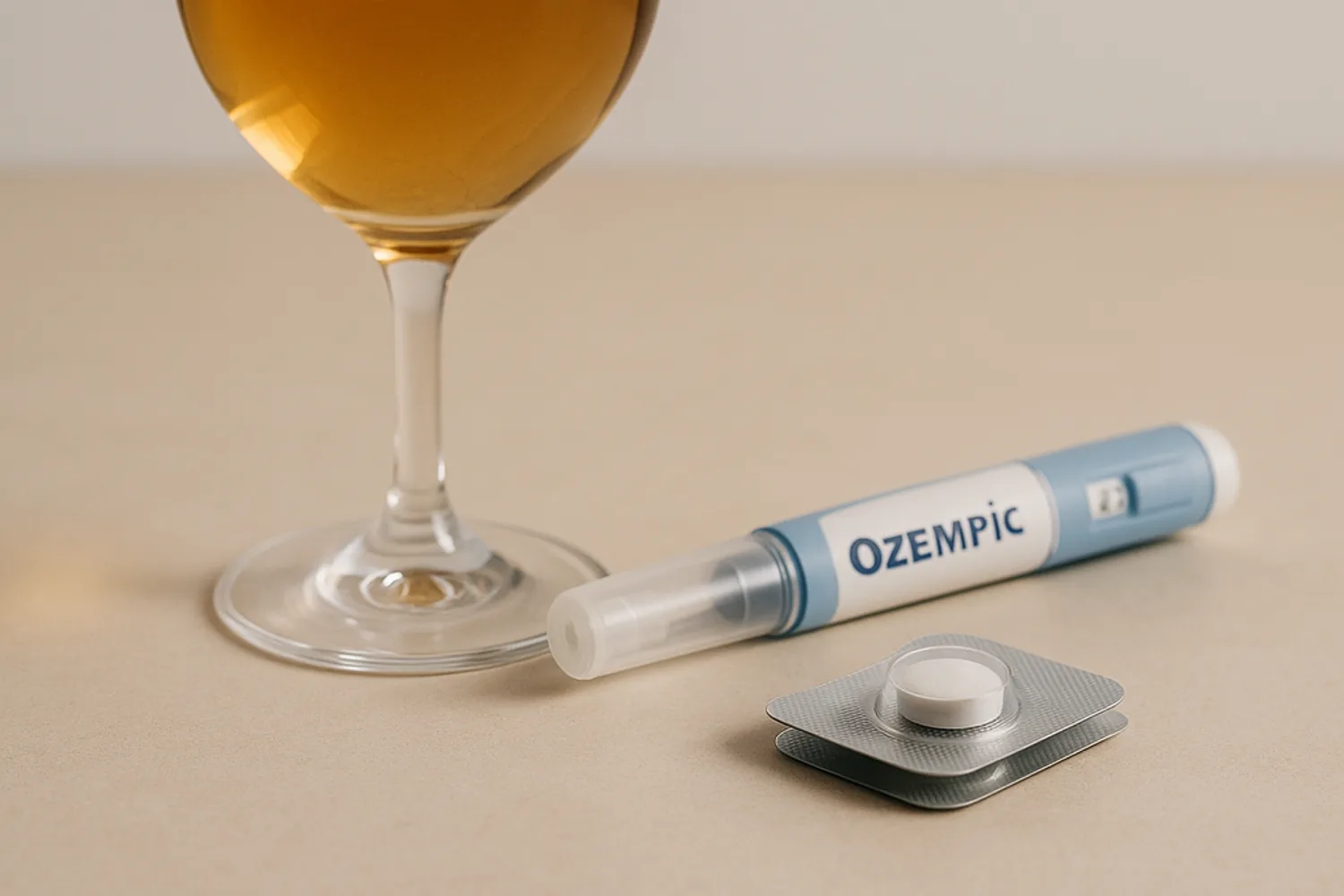
Alcohol and Ozempic: Can You Drink? What Patients Report
If you’re taking Ozempic (semaglutide) for type 2 diabetes or weight management, you've likely made several changes to your lifestyle. It’s natural to wonder how other parts of your life, like social drinking, fit into this new picture. The question "Can I drink alcohol while on Ozempic?" is one of the most common topics in patient forums and online communities, but finding a clear answer can be challenging.
This article provides a practical guide to understanding the relationship between Ozempic and alcohol, exploring the official guidance, potential interactions, and what other patients are reporting. Our goal is to give you the information you need to have a productive conversation with your doctor. Consult your healthcare provider before starting any medication.
What the Official Guidance Says
First, it’s important to know what the official drug information states. The FDA-approved prescribing information for Ozempic does not list alcohol as a direct contraindication. This means there isn't a strict "do not drink" warning like there is for some other medications.
However, the absence of a direct warning doesn’t mean there are no interactions to consider. Both alcohol and Ozempic have significant effects on the body, particularly on your blood sugar and digestive system. Understanding how they can overlap is key to making safe and informed decisions.
How Ozempic and Alcohol Can Interact
The primary concerns with mixing Ozempic and alcohol are not about a direct chemical reaction, but rather about their combined effects on your body's systems.
Blood Sugar and Hypoglycemia
This is perhaps the most important interaction to understand. Ozempic works by helping to lower your blood sugar levels. Alcohol, particularly when consumed without food, can also cause blood sugar to drop. When you combine the two, you increase the risk of hypoglycemia (abnormally low blood sugar).
Symptoms of hypoglycemia include:
- Dizziness or lightheadedness
- Shakiness
- Sweating
- Confusion
- Anxiety
- Rapid heartbeat
A major concern is that the symptoms of mild hypoglycemia can easily be mistaken for the feeling of being intoxicated. This can be problematic, as you or others might not recognize the signs of a blood sugar emergency that requires attention.
Gastrointestinal Side Effects
Many people experience gastrointestinal side effects when first starting Ozempic, such as nausea, vomiting, indigestion, or diarrhea. These occur, in part, because the medication slows down how quickly your stomach empties its contents.
Alcohol is a known stomach irritant and can cause similar symptoms. Drinking while taking Ozempic can potentially worsen these side effects, leading to significant discomfort, nausea, and an increased risk of dehydration.
Pancreatitis Risk
Both heavy, long-term alcohol use and GLP-1 agonist medications like Ozempic are associated with a small, but increased, risk of pancreatitis (inflammation of the pancreas). While the risk is low for any single individual, it's a factor to be aware of, especially if you have other risk factors for pancreatitis. Combining two known risk factors is something your doctor will want to discuss with you.
Slower Stomach Emptying and Intoxication
Ozempic’s effect of slowing down gastric emptying can also change how your body processes alcohol. With food and drink staying in your stomach for longer, alcohol may be absorbed more slowly and unpredictably. Some people report feeling the effects of alcohol more quickly or intensely, while others might find the effects are delayed. This unpredictability makes it harder to gauge your level of intoxication and know when you’ve had enough.
What Patients Report: The Anecdotal Evidence
Beyond the clinical data, a wealth of anecdotal reports from patients offers real-world insight. While not a substitute for medical advice, these shared experiences highlight common themes.
A Reduced Desire to Drink
One of the most frequently reported and surprising effects is a diminished craving for alcohol. Many people who once enjoyed a regular glass of wine or beer find that they simply lose interest while taking Ozempic. Some report that alcohol no longer sounds appealing, while others say they feel a sense of "aversion" to it. This phenomenon is an active area of research, with theories suggesting that GLP-1 medications may affect the brain’s reward pathways, reducing the pleasurable response to substances like alcohol.
Feeling the Effects Differently
Many users report that their tolerance for alcohol plummets. A single drink may feel as potent as two or three used to. This is likely related to the slowed gastric emptying and other metabolic changes. Hangovers are also frequently described as being much more severe, even after consuming a small amount of alcohol. Nausea, headache, and fatigue the next day can feel disproportionate to the amount consumed.
Worsened Side Effects
For many, drinking alcohol while on Ozempic simply makes them feel unwell. It often amplifies the medication's common side effects. A person who experiences mild nausea on Ozempic might find that a single drink triggers significant nausea or even vomiting. Similarly, issues like acid reflux and indigestion can be noticeably worse after drinking.
Practical Considerations for Safe Choices
So, what does this all mean for you? The decision is ultimately a personal one made in partnership with your doctor. Here are some practical steps to consider.
Start with Your Doctor
The most critical step is to have an open conversation with your healthcare provider. They can evaluate your personal health history, including your liver function, risk for pancreatitis, and any other medications you’re taking, to give you personalized guidance.
If You Choose to Drink, Start Low and Go Slow
If your doctor agrees that occasional, light drinking is acceptable for you, moderation is essential. Your old limits may no longer apply. Consider your first drink on the medication to be an experiment. Have a small amount in a safe, comfortable setting to see how your body reacts.
Never Drink on an Empty Stomach
Because of the risk of hypoglycemia, drinking alcohol on an empty stomach is particularly ill-advised. Always eat a balanced meal containing carbohydrates, protein, and fat before or while you drink to help stabilize your blood sugar.
Stay Hydrated and Know the Signs
Drink a glass of water for every alcoholic beverage you consume to stay hydrated and help mitigate potential side effects. Be mindful of your body and know the signs of low blood sugar. If you feel dizzy, shaky, or confused, stop drinking and consume a quick source of sugar, like juice or glucose tablets.
While there is no absolute ban on alcohol with Ozempic, the potential for interactions is real and significant. The experiences of countless patients suggest that your relationship with alcohol may change while on this medication. Prioritizing your health, listening to your body, and maintaining an open dialogue with your medical team are the best ways to navigate your treatment journey safely. Consult your healthcare provider before starting any medication.
Sources
- FDA Medication Guide for Ozempic (semaglutide) injection: https://www.accessdata.fda.gov/drugsatfda_docs/label/2022/209637s012lbl.pdf
- Semaglutide (Subcutaneous Route) Overview - Mayo Clinic: https://www.mayoclinic.org/drugs-supplements/semaglutide-subcutaneous-route/side-effects/drg-20406743
- Alcohol and Diabetes - American Diabetes Association: https://www.niddk.nih.gov/health-information/diabetes/overview/insulin-medicines-treatments
- Hypoglycemia - National Institute of Diabetes and Digestive and Kidney Diseases (NIDDK): https://www.niddk.nih.gov/health-information/diabetes/overview/preventing-problems/low-blood-glucose-hypoglycemia
- What To Know About GLP-1 Agonists - Cleveland Clinic: https://my.clevelandclinic.org/health/treatments/13901-glp-1-agonists
Written by
Dietician / Nutritionist
Health Content Writer
Isha Yadav is a Dietician / Nutritionist professional who contributes evidence-informed health and wellness content for WeightEasy.
View profile →Reviewed by
Ph. D in Food Science and Nutrition
Senior Medical Reviewer
Dr. Shunmukha Priya. S is a Ph. D in Food Science and Nutrition professional who reviews WeightEasy health content for medical and editorial accuracy.
View profile →