
Mounjaro vs Zepbound: Same Drug, Different Uses Explained
Compare Mounjaro and Zepbound to understand their differences in use and how they relate as treatments for weight management.
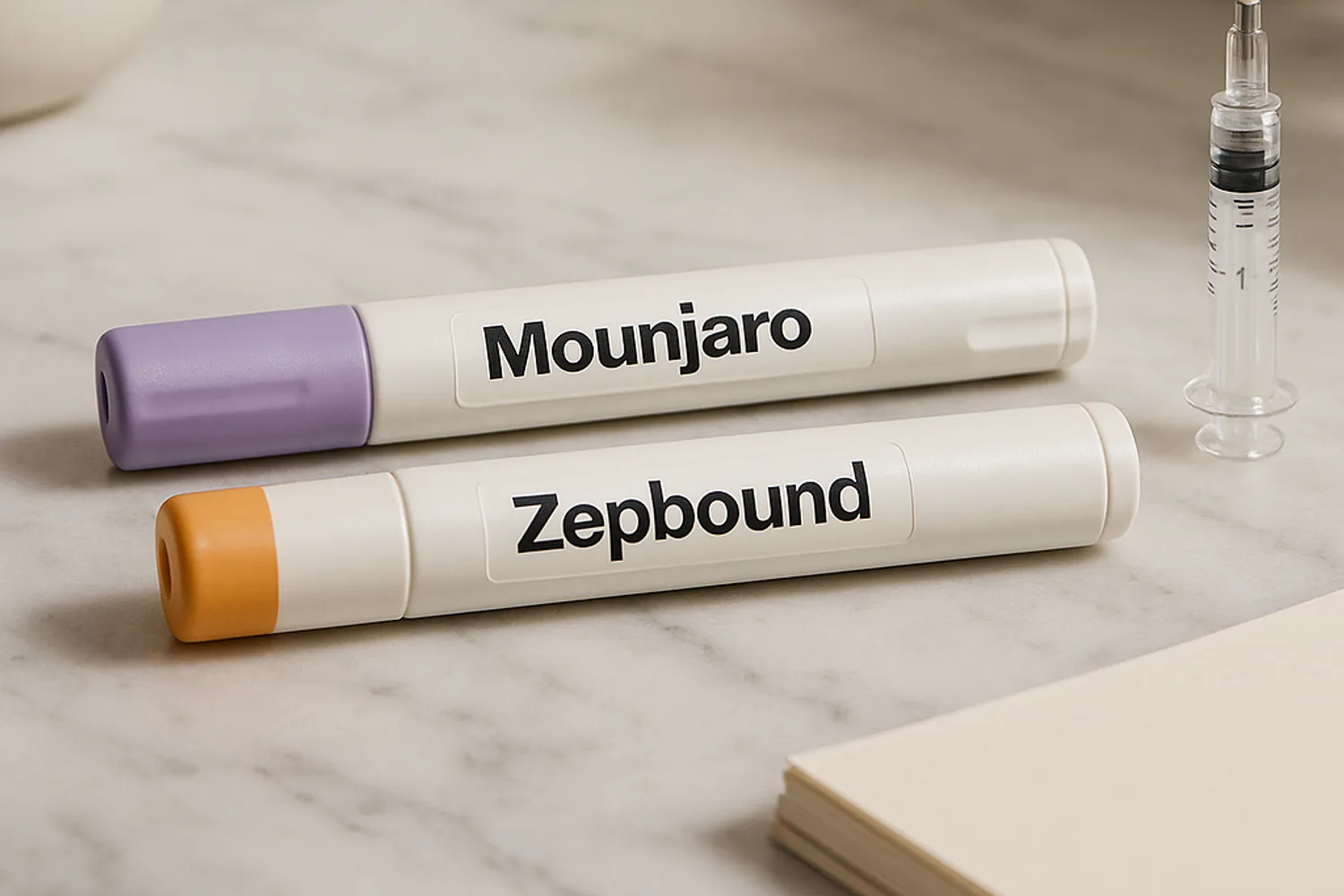
Mounjaro vs. Zepbound: Same Drug, Different Uses Explained
The landscape of metabolic health and weight management is rapidly evolving, with new medications generating both excitement and questions. Two names you've likely heard are Mounjaro and Zepbound. If you're feeling confused about how they relate to each other, you're not alone. The simple truth is they are the exact same medication, just packaged and approved for different purposes.
Understanding the distinction is key to navigating conversations about your health. This guide will clarify the relationship between Mounjaro and Zepbound, explaining what they are, why they have different names, and what it means for patients. Our goal is to provide clear, evidence-aware information to help you make informed decisions. Consult your healthcare provider before starting any medication.
What is Tirzepatide? The Science Behind the Names
At the heart of both Mounjaro and Zepbound is the active ingredient tirzepatide. Tirzepatide belongs to a newer class of medications that acts on two different hormone receptors in the body: GIP (glucose-dependent insulinotropic polypeptide) and GLP-1 (glucagon-like peptide-1).
These hormones are naturally released by your gut after you eat. They play a crucial role in managing blood sugar and signaling fullness to your brain. Tirzepatide mimics the action of both, leading to several effects:
- Blood Sugar Control: It encourages the pancreas to release insulin when blood sugar is high and reduces the amount of sugar released by the liver.
- Appetite Regulation: It acts on brain centers that control hunger, helping to reduce appetite and food intake.
- Slower Digestion: It slows down the rate at which food leaves the stomach, contributing to a longer-lasting feeling of fullness after meals.
This dual-action mechanism is what makes tirzepatide a powerful tool for both managing type 2 diabetes and supporting chronic weight management.
Mounjaro: Approved for Type 2 Diabetes
Mounjaro was the first brand name under which tirzepatide was introduced. The U.S. Food and Drug Administration (FDA) approved Mounjaro in May 2022. Its specific, approved indication is to improve blood sugar control in adults with type 2 diabetes, as an adjunct to diet and exercise.
During the clinical trials for Mounjaro, researchers observed that participants not only improved their blood sugar levels but also experienced significant weight loss. This powerful secondary effect was not a surprise, given the medication’s mechanism of action, but the magnitude of the weight loss prompted further study specifically for a weight management indication.
For people with type 2 diabetes, Mounjaro helps manage the condition's primary challenge—blood sugar regulation—while also addressing weight, which is often a related health concern.
Zepbound: Approved for Chronic Weight Management
Following the promising weight loss results from the Mounjaro trials, dedicated studies were conducted to evaluate tirzepatide solely for weight management. These trials, known as the SURMOUNT program, included participants with obesity or who were overweight with at least one weight-related health condition, but not necessarily type 2 diabetes.
The results were compelling. Based on this strong evidence, the FDA approved tirzepatide for chronic weight management in November 2023 under the new brand name, Zepbound.
Zepbound is indicated for adults with a body mass index (BMI) of 30 or higher (obesity), or a BMI of 27 or higher (overweight) who also have at least one weight-related condition, such as high blood pressure, high cholesterol, or sleep apnea. Like Mounjaro, it is intended to be used alongside a reduced-calorie diet and increased physical activity.
Why Two Different Names for the Same Drug?
The primary reason for two names comes down to regulation, prescribing practices, and insurance coverage. By creating two distinct brands, the manufacturer and regulatory bodies can clearly separate the two approved uses.
Approved Medical Use (Indication)
The most important difference is the "indication," or the specific medical condition each drug is approved to treat.
- Mounjaro is prescribed to treat type 2 diabetes.
- Zepbound is prescribed for chronic weight management.
A healthcare provider will prescribe the medication that aligns with the patient's diagnosed condition. While the drug inside is identical, the label it comes with matters for medical and administrative purposes.
Insurance Coverage
This separation is crucial for insurance companies. Insurers typically have different criteria and coverage policies for diabetes medications versus weight management medications.
- Coverage for Mounjaro is generally tied to a diagnosis of type 2 diabetes.
- Coverage for Zepbound is dependent on a plan that includes benefits for anti-obesity medications.
Having two distinct brand names helps streamline the approval and reimbursement process, ensuring the medication is used for its approved purpose as recognized by insurers.
Dosage and Administration are Identical
It's important to know that beyond the name on the box, the patient experience is the same. Both Mounjaro and Zepbound:
- Are administered as a once-weekly injection using a single-dose pen.
- Are available in the same dosage strengths (from 2.5 mg to 15 mg).
- Follow the same "titration" schedule, where a patient starts on a low dose that is gradually increased over several weeks or months to improve tolerability.
Safety and Common Side Effects
Since they contain the same active ingredient, Mounjaro and Zepbound share the same safety profile and potential side effects. The most common side effects are gastrointestinal in nature and include:
- Nausea
- Diarrhea
- Vomiting
- Constipation
- Decreased appetite
- Stomach pain
For most people, these side effects are mild to moderate and tend to decrease as their body adjusts to the medication. Following the recommended dose-escalation schedule under a doctor's supervision is key to managing these effects.
Making an Informed Decision with Your Doctor
Understanding the difference between Mounjaro and Zepbound is straightforward: they are the same drug, tirzepatide, but branded and approved for two different conditions—type 2 diabetes and chronic weight management, respectively.
The choice between them isn't up to the patient but is determined by their medical diagnosis and the corresponding prescription from their healthcare provider. If you are exploring treatment options for either type 2 diabetes or weight management, the most important step is a thorough discussion with a qualified professional. They can assess your overall health, discuss the potential benefits and risks of tirzepatide, and help determine if it's an appropriate part of your care plan. Consult your healthcare provider before starting any medication.
Sources
- FDA label for Mounjaro: https://www.accessdata.fda.gov/drugsatfda_docs/label/2025/215866s034lbl.pdf
- FDA label for Zepbound: https://www.accessdata.fda.gov/drugsatfda_docs/label/2024/217806s003lbl.pdf
- FDA approval announcement for Zepbound: https://www.fda.gov/news-events/press-announcements/fda-approves-new-medication-chronic-weight-management
- Tirzepatide Once Weekly for the Treatment of Obesity (SURMOUNT-1 Clinical Trial): https://pubmed.ncbi.nlm.nih.gov/35658024/
- Tirzepatide Injection Information from the U.S. National Library of Medicine: https://medlineplus.gov/druginfo/meds/a622051.html
Written by
Dietician / Nutritionist
Health Content Writer
Priya Kataria is a Dietician / Nutritionist professional who contributes evidence-informed health and wellness content for WeightEasy.
View profile →Reviewed by
BHMS
Senior Medical Reviewer
Dietitian with experience in nutrition counseling, meal planning and promoting healthy lifestyles. Dedicated to help individuals achieve optimal health and well-being through personalized nutrition strategies. Skilled in providing expert guidance for managing conditions like diabetes, weight challenges and Lifestyle management.
View profile →