
Ozempic Before a Colonoscopy or Surgery: When to Stop
Find guidance on when to stop Ozempic before undergoing a colonoscopy or surgery based on current safety considerations.
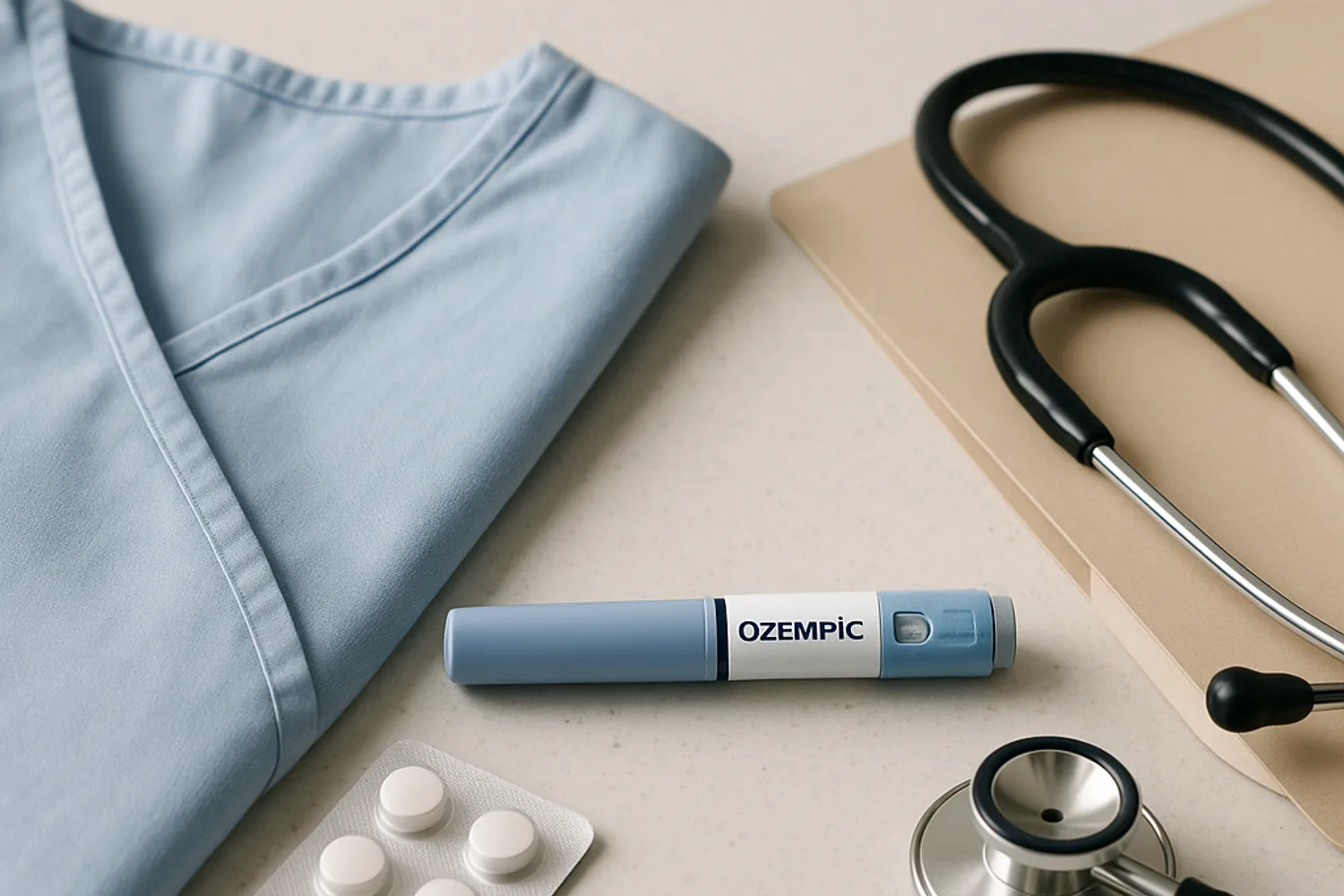
Ozempic Before a Colonoscopy or Surgery: When to Stop
If you take Ozempic (semaglutide) or a similar medication, you’re likely familiar with its effects on your appetite and blood sugar. But there’s another important aspect to consider if you have a colonoscopy or surgery on the horizon: how these drugs affect your digestion. Planning ahead is key to ensuring your procedure goes as smoothly and safely as possible.
This guide provides practical, evidence-aware information to help you prepare for that important conversation with your medical team. Understanding why and when you might need to pause your medication empowers you to be an active partner in your healthcare. Consult your healthcare provider before starting any medication.
How Ozempic Works and Why It Matters for Procedures
Ozempic belongs to a class of drugs called glucagon-like peptide-1 (GLP-1) receptor agonists. In simple terms, these medications mimic a natural hormone that, among other things, tells your brain you’re full and slows down how quickly food leaves your stomach. This process is called delayed gastric emptying.
This slowing effect is a key reason why the medication is effective for managing type 2 diabetes and supporting weight loss. However, it’s also the primary reason it requires special attention before any medical procedure that involves anesthesia or sedation.
For a surgery or colonoscopy to be safe, your stomach needs to be completely empty. Standard fasting protocols—like not eating or drinking after midnight—are designed to ensure this. Because Ozempic keeps food in your stomach for a longer period, standard fasting might not be enough.
The Risk: Anesthesia and an Unexpectedly Full Stomach
When you receive anesthesia, your body’s natural reflexes, including the one that prevents stomach contents from entering your lungs, are suppressed. If your stomach isn’t empty, there is a risk that food or liquid could travel back up from the stomach and be inhaled into the lungs.
This event, known as pulmonary aspiration, is a serious complication that can lead to pneumonia and other lung injuries. Anesthesiologists are highly trained to prevent this, and the most critical safety step is confirming the patient has an empty stomach. GLP-1 medications introduce a variable that medical teams must carefully manage, which has led to new safety guidelines.
Updated Guidance for Pausing GLP-1 Medications
In response to the growing use of these effective medications, leading medical organizations have issued guidance to help keep patients safe. The American Society of Anesthesiologists (ASA) and other expert groups have provided a framework for doctors and patients.
For Weekly Injections like Ozempic
The most common recommendation for weekly GLP-1 medications like Ozempic, Wegovy, or Mounjaro is to hold the dose for a full week before your procedure.
Here’s a practical example: If you normally take your Ozempic injection on a Tuesday and your surgery is scheduled for the following Wednesday, your doctor will likely advise you to skip your Tuesday injection that week.
This pause allows your digestive system to return to a more typical pace, increasing the likelihood that your stomach will be empty after the standard fasting period. It’s crucial to remember that this is a general guideline. Your doctor’s instructions may be different based on your specific health needs, the type of procedure, and the medication you are taking.
Your Pre-Procedure Checklist
Navigating the weeks before a surgery or colonoscopy can feel overwhelming. Use these steps to ensure you and your healthcare team are perfectly aligned on your medication plan.
1. Talk to Your Entire Medical Team
Communication is the most important part of this process. You need to inform two key parties:
- The Prescribing Doctor: This is the healthcare provider who manages your Ozempic prescription, such as an endocrinologist or primary care physician. They need to know about your upcoming procedure.
- The Procedural Team: This includes your surgeon or gastroenterologist, as well as the anesthesiology department. Make sure they know you are taking Ozempic well in advance of your procedure date.
Coordinating between these teams ensures that your plan is safe for both the procedure and for the management of your underlying health condition.
2. Create a Clear, Written Plan
Don’t rely on memory. During an appointment or phone call, ask for specific, clear instructions and write them down. Key questions to ask include:
- "Exactly what date should I take my last dose of Ozempic before my procedure?"
- "Are there any other medications I need to adjust?"
- "What are my instructions for fasting?"
- "On what date is it safe to resume Ozempic after my procedure?"
Having this plan in writing provides clarity and peace of mind.
3. Be Honest if You Forget to Stop
Mistakes happen. If you realize you forgot to hold your dose as instructed, the most important thing to do is to inform your medical team immediately. Do not hide it out of fear or embarrassment.
Your safety is their top priority. They may need to adjust the plan or postpone the procedure to a later date when it is safe to proceed. While a delay can be frustrating, it is far better than risking a serious complication.
After Your Procedure: Resuming Ozempic
Just as important as stopping the medication is knowing when to start it again. Your doctor will provide specific instructions on when you can safely resume your Ozempic injections.
This decision usually depends on the type of procedure you had and how your recovery is going. In most cases, you’ll be advised to wait until you are back to eating and drinking normally and are no longer experiencing significant side effects like nausea from the anesthesia or the procedure itself. Follow your medical team's advice precisely.
Taking Ozempic is a positive step for many in managing their health. By planning ahead and maintaining open communication with your doctors, you can ensure that an upcoming procedure is just a temporary pause in your journey.
Consult your healthcare provider before starting any medication.
Sources
- American Society of Anesthesiologists (ASA). Preoperative management guidance for GLP-1 receptor agonists: https://pubs.asahq.org/anesthesiology/article/139/4/416/138138/Preoperative-Management-of-Patients-on-Glucagon
- ASA journal article on preoperative GLP-1 management: https://pubs.asahq.org/anesthesiology/article/139/4/416/138138/Preoperative-Management-of-Patients-on-Glucagon
- Multi-society clinical practice guidance on GLP-1 drugs before surgery: https://gastro.org/news/rapid-clinical-practice-update-management-of-patients-taking-glp-1-receptor-agonists-prior-to-endoscopy/
- American Gastroenterological Association (AGA) — GLP-1 receptor agonists before endoscopy: https://gastro.org/news/rapid-clinical-practice-update-management-of-patients-taking-glp-1-receptor-agonists-prior-to-endoscopy/
- FDA label for Ozempic: https://www.accessdata.fda.gov/drugsatfda_docs/label/2025/209637s025lbl.pdf
Written by
Dietician / Nutritionist
Health Content Writer
Sowmiya R is a Dietician / Nutritionist professional who contributes evidence-informed health and wellness content for WeightEasy.
View profile →Reviewed by
BHMS
Senior Medical Reviewer
Dietitian with experience in nutrition counseling, meal planning and promoting healthy lifestyles. Dedicated to help individuals achieve optimal health and well-being through personalized nutrition strategies. Skilled in providing expert guidance for managing conditions like diabetes, weight challenges and Lifestyle management.
View profile →