
Ozempic Face: Why It Happens and How to Avoid It
Learn about possible causes of facial changes sometimes seen with Ozempic and strategies that may help reduce this effect.
Ozempic Face: Why It Happens and How to Avoid It
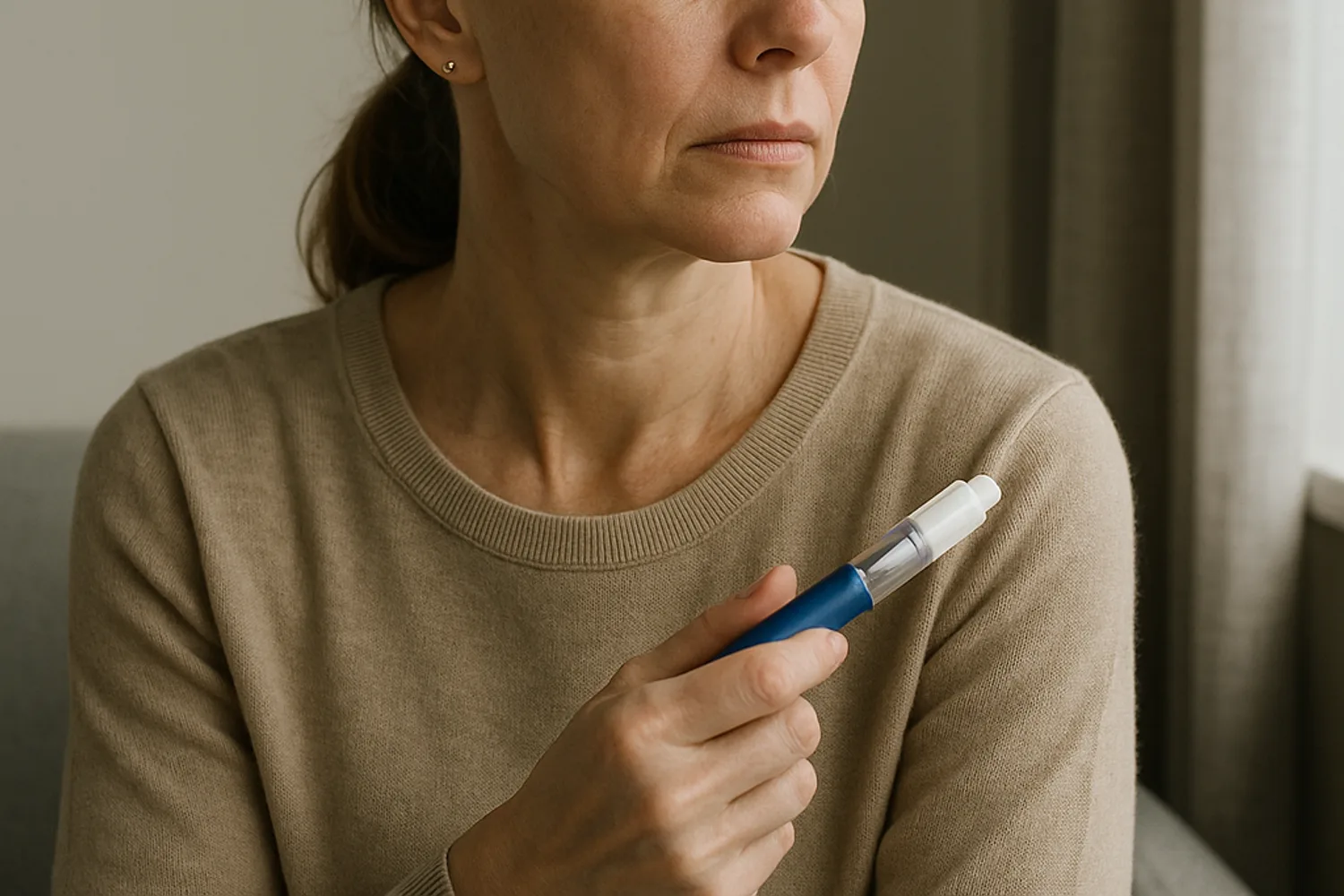
You may have seen the term "Ozempic face" pop up in headlines and on social media. It's often used to describe the facial changes some people notice after losing weight with medications like Ozempic (semaglutide). If you’re considering or currently on a weight loss journey, it’s natural to have questions about what this means.
This guide will walk you through what "Ozempic face" really is, why it happens, and the practical steps you can take to support your skin’s health along the way. Our goal is to provide clear, evidence-aware information without hype or fear. Consult your healthcare provider before starting any medication.
What Is "Ozempic Face?"
First, it’s important to know that "Ozempic face" is not an official medical diagnosis or a direct side effect of the medication itself. It’s a colloquial term for the changes in facial appearance that can occur with significant and often rapid weight loss.
People who use this term are typically describing:
- A loss of volume, especially in the cheeks and under the eyes.
- A more hollowed or gaunt appearance.
- Skin that looks looser or sags.
- Fine lines and wrinkles that appear more prominent.
In essence, it’s the visible result of losing the subcutaneous fat that gives the face its soft, full contours. When this fat diminishes, the underlying bone structure becomes more defined and the skin may not retract as quickly, leading to these changes.
The Real Cause: Weight Loss, Not a Specific Drug
The key takeaway is that these facial changes are linked to weight loss in general, not specifically to Ozempic or other GLP-1 medications. Anyone who loses a substantial amount of weight, whether through diet, exercise, bariatric surgery, or medication, can experience similar effects.
The term became associated with Ozempic simply because the medication can be very effective, leading to significant weight loss for many users. When weight loss happens relatively quickly, the skin has less time to adjust and regain its elasticity, which can make the changes more noticeable.
Here’s a breakdown of the primary factors at play:
Volume Loss
Your face has several distinct fat pads that act as natural cushions. They provide volume in your cheeks, temples, and around your eyes, contributing to a youthful appearance. When you lose weight, you lose fat from all over your body—and you can’t choose where it comes from. The loss of these facial fat pads is the main reason for a more hollowed look.
Skin Elasticity
Skin gets its firm, supple quality from two key proteins: collagen and elastin. As we age, our bodies naturally produce less of both. Significant weight loss can further stretch the skin, and if elasticity is already reduced due to age or sun exposure, it may not "snap back" as easily. This can result in sagging or more pronounced wrinkles.
The Role of Speed
Gradual weight loss often gives your skin more time to adapt. The body can slowly adjust its collagen production and the skin can retract more effectively. With more rapid weight loss, the underlying facial structure changes faster than the skin can keep up, making any sagging or hollowness more apparent.
How to Support Your Skin During Your Weight Loss Journey
While you can’t completely prevent these changes, you can take steps to support your skin’s health and elasticity. Think of it as caring for your body from the inside out as you work toward your health goals.
1. Prioritize Nutrient-Rich Foods
A balanced diet is crucial for healthy skin. As you adjust your eating habits, focus on incorporating a variety of nutrients:
- Lean Protein: Protein is the building block for tissue repair and collagen synthesis. Include sources like chicken, fish, beans, lentils, and tofu.
- Vitamins and Antioxidants: Vitamin C is essential for collagen production. Find it in citrus fruits, bell peppers, strawberries, and broccoli. Antioxidants found in berries, leafy greens, and colorful vegetables help protect skin from damage.
- Healthy Fats: Omega-3 and omega-6 fatty acids help maintain the skin's natural oil barrier, keeping it hydrated and plump. Avocados, nuts, seeds, and olive oil are excellent sources.
2. Stay Well-Hydrated
Dehydration can make fine lines and wrinkles look more prominent. Drinking plenty of water throughout the day helps keep skin cells hydrated and functioning optimally, which can improve its overall texture and resilience.
3. Adopt a Smart Skincare Routine
A consistent skincare routine can help protect and support your skin’s integrity.
- Sunscreen Is Non-Negotiable: Sun exposure is the number one cause of premature aging because UV rays break down collagen and elastin. Use a broad-spectrum sunscreen with an SPF of 30 or higher every single day, rain or shine.
- Moisturize Diligently: Look for moisturizers with ingredients like hyaluronic acid, which draws moisture into the skin, and ceramides, which help restore the skin’s barrier.
- Consider Retinoids: Over-the-counter retinol or prescription retinoids are well-studied ingredients that can support collagen production and improve skin texture over time. It's best to discuss using them with a dermatologist.
4. Discuss Your Pace with Your Doctor
If you have concerns about the pace of your weight loss, have a conversation with your healthcare provider. They can help you ensure you're losing weight in a healthy, sustainable way that aligns with your overall goals. A slower, more gradual approach may be an option for some and can be gentler on your skin.
Exploring Professional Aesthetic Options
For those who are bothered by significant volume loss or sagging, there are professional aesthetic treatments available. These are personal choices and should only be pursued after a thorough consultation with a board-certified dermatologist or plastic surgeon.
Common options include:
- Dermal Fillers: Injectable fillers, often made of hyaluronic acid, can be used to restore lost volume in the cheeks, temples, and under-eye area.
- Biostimulators: Injectables like Sculptra or Radiesse work by stimulating your body's own collagen production over time for a more gradual, natural-looking result.
- Skin-Tightening Procedures: Non-invasive treatments using radiofrequency or ultrasound technology can help stimulate collagen and tighten mildly sagging skin.
A Matter of Perspective
The conversation around "Ozempic face" often overlooks the most important part of the story: the incredible health benefits that come with weight loss. Achieving a healthier weight can lead to improved blood sugar control, lower blood pressure, reduced risk of heart disease, and better mobility.
The changes in your face are often a reflection of these positive transformations happening throughout your body. While it's valid to care about your appearance, try to also celebrate the progress you're making for your long-term health and well-being.
Ultimately, your health journey is your own. Taking proactive steps to care for your skin can help you feel your best, inside and out. Consult your healthcare provider before starting any medication.
Sources
- Ozempic prescribing information. https://www.accessdata.fda.gov/drugsatfda_docs/label/2025/209637s025lbl.pdf
- American Academy of Dermatology Association. (n.d.). How to rejuvenate your skin. https://my.clevelandclinic.org/health/treatments/13901-glp-1-agonists
- Cleveland Clinic. (2023). What Is ‘Ozempic Face’ and Is It Real? https://health.clevelandclinic.org/ozempic-face
- MedlinePlus. Semaglutide injection. https://medlineplus.gov/druginfo/meds/a618008.html
- Harvard T.H. Chan School of Public Health. (n.d.). Collagen. https://www.hsph.harvard.edu/nutritionsource/collagen/
- Geronemus, R. G. (2023). "Ozempic Face": A Concern for Facial Volume Loss With Semaglutide. Dermatologic Surgery, 49(7), 708-709. https://journals.lww.com/dermatologicsurgery/fulltext/2023/07000/_ozempic_face___a_concern_for_facial_volume_loss.15.aspx
Written by
Dietician / Nutritionist
Health Content Writer
Isha Yadav is a Dietician / Nutritionist professional who contributes evidence-informed health and wellness content for WeightEasy.
View profile →Reviewed by
Dietician / Nutritionist, Phd scholar
Senior Medical Reviewer
Nishat Anjum is a Dietician / Nutritionist, Phd scholar professional who reviews WeightEasy health content for medical and editorial accuracy.
View profile →