
Can Non-Diabetics Take Ozempic for Weight Loss? Off-Label Use Explained
Explore information on the off-label use of Ozempic for weight loss in non-diabetic individuals and related considerations.
Can Non-Diabetics Take Ozempic for Weight Loss? Off-Label Use Explained
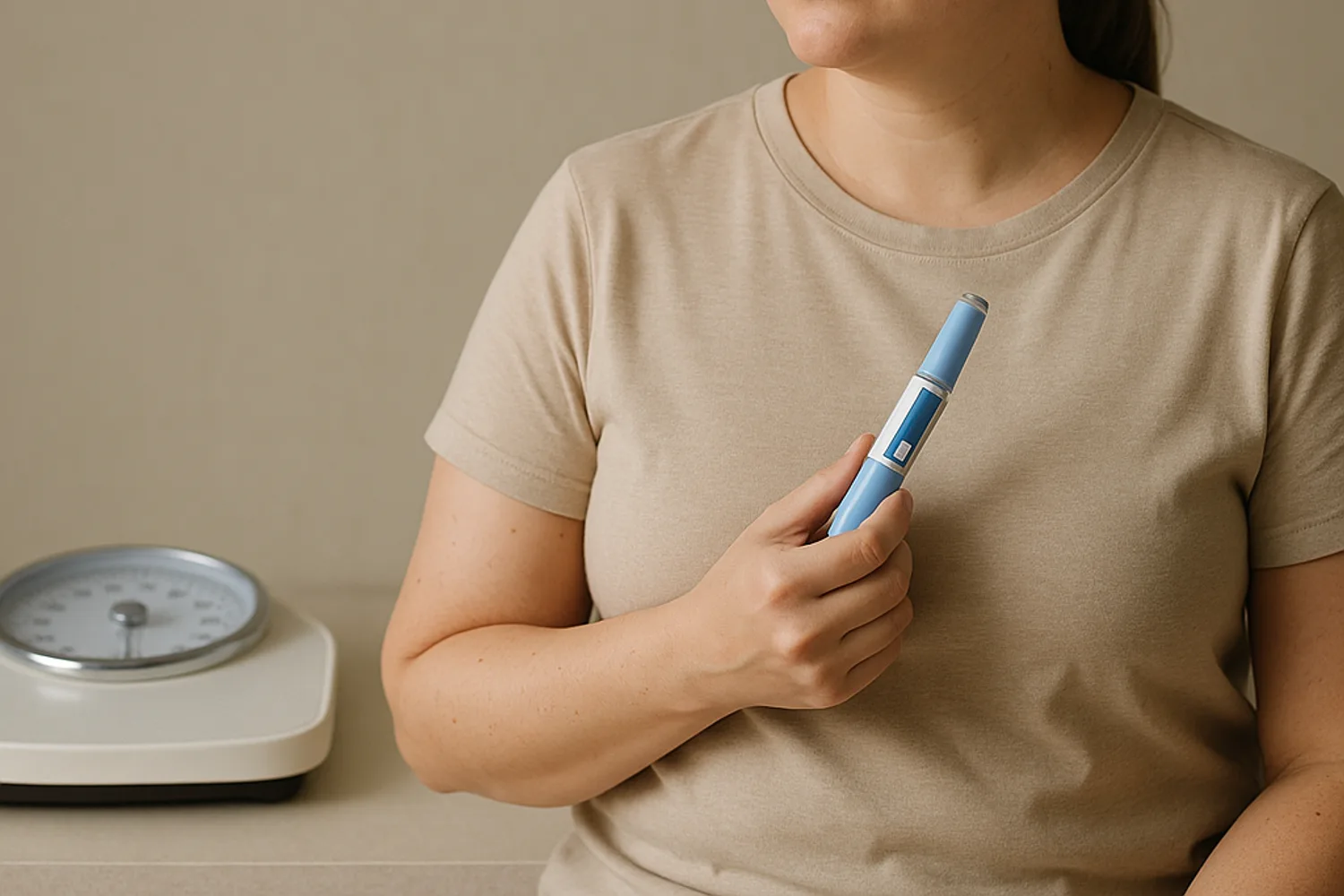
The buzz around Ozempic for weight loss is impossible to ignore. From social media trends to news headlines, it seems to be everywhere. Originally developed to help manage type 2 diabetes, its significant impact on weight has led many to wonder: can people without diabetes use it for weight loss?
The short answer is that it's complicated. It involves a medical practice known as "off-label" prescribing, and it’s a decision that requires careful, professional guidance. This article will break down what Ozempic is, how it works, what off-label use means, and what you need to know to have an informed conversation about your health. Consult your healthcare provider before starting any medication.
What is Ozempic and How Does It Work?
Ozempic is the brand name for a medication called semaglutide. It belongs to a class of drugs known as glucagon-like peptide-1 (GLP-1) receptor agonists. Its primary, FDA-approved purpose is to improve blood sugar control in adults with type 2 diabetes, alongside diet and exercise.
GLP-1 is a natural hormone your body produces. Semaglutide works by mimicking this hormone, which has several effects:
- It helps the pancreas release insulin when blood sugar is high, which is its main function for treating diabetes.
- It slows down "gastric emptying," meaning food stays in your stomach longer. This helps you feel full and satisfied for a longer period after eating.
- It targets areas of the brain that regulate appetite, reducing food cravings and signaling a sense of fullness.
It’s these last two effects—slowing digestion and reducing appetite—that contribute significantly to weight loss.
The Link Between Ozempic and Weight Loss
During clinical trials for Ozempic, researchers noticed that participants with type 2 diabetes were not only improving their blood sugar levels but also losing a notable amount of weight. This powerful side effect was so consistent that it prompted further research focused solely on weight management.
Those studies, which included people with obesity but without diabetes, confirmed that semaglutide was highly effective for weight loss. This research ultimately led to the approval of a different brand name product containing a higher dose of semaglutide, specifically for chronic weight management.
Understanding "Off-Label" Use
When a doctor prescribes a medication for a condition other than what it was officially approved for by regulatory bodies like the FDA, it’s called "off-label" use.
This is a common, legal, and often essential part of medicine. It happens when there is substantial scientific evidence and clinical experience to suggest a drug can be safe and effective for another purpose. For example, some beta-blockers approved for high blood pressure are prescribed off-label to help with performance anxiety.
In this context, a doctor prescribing Ozempic to a patient without diabetes for the purpose of weight loss is an example of off-label use. The doctor uses their professional judgment to decide if the potential benefits for that specific patient outweigh the risks.
Ozempic vs. Wegovy: What's the Difference?
This is where the conversation gets clearer. Ozempic and Wegovy are brand names for the exact same active ingredient: semaglutide. However, they are approved, packaged, and dosed for different purposes.
The Key Distinctions
- Approved Use: Ozempic is officially approved for treating type 2 diabetes. Wegovy is officially approved for chronic weight management in adults with obesity or who are overweight with at least one weight-related health condition.
- Dosage: While both medications follow a similar "titration" schedule where the dose is increased gradually, the maintenance doses differ. Wegovy is typically titrated to a higher maximum dose (2.4 mg) than Ozempic (which has approved doses up to 2.0 mg for diabetes management).
- Branding: They are marketed as separate products for separate conditions.
Because Wegovy is specifically approved and dosed for weight loss, it is often the more direct choice for this purpose. However, factors like medication availability and insurance coverage can sometimes lead a healthcare provider to consider Ozempic off-label.
Who Might Be a Candidate for Weight Loss Medication?
Deciding if a GLP-1 medication like semaglutide is appropriate is a decision made between you and your doctor. There is no single answer that fits everyone.
Generally, healthcare providers follow clinical guidelines similar to those for Wegovy when considering a prescription for chronic weight management. This often includes:
- An adult with a Body Mass Index (BMI) of 30 or higher (classified as obesity).
- An adult with a BMI of 27 or higher (classified as overweight) who also has at least one weight-related medical problem, such as high blood pressure, high cholesterol, or sleep apnea.
A provider will also conduct a thorough review of your personal and family medical history to ensure there are no contraindications.
Potential Side Effects and Considerations
Like all medications, semaglutide has potential side effects. The most common are gastrointestinal issues, including:
- Nausea
- Diarrhea
- Vomiting
- Constipation
- Stomach pain
These side effects are often most noticeable when starting the medication or after increasing the dose and may lessen over time.
There are also more serious but less common risks that your doctor will discuss with you, such as a potential risk of pancreatitis or a specific type of thyroid tumor. It’s also important to remember that these medications are designed for long-term use. Studies show that if you stop taking the medication, you are likely to regain much of the weight you lost. For this reason, it is most effective as part of a comprehensive lifestyle plan that includes sustainable nutrition and physical activity.
Your Next Steps: A Safe and Informed Approach
If you are curious about Ozempic or other GLP-1 medications for weight loss, the most important step is to speak with a qualified professional.
Preparing for a Doctor's Appointment
- Be ready to discuss your complete health history, including any past or current medical conditions.
- Think about your weight loss journey—what you’ve tried in the past, your goals, and your challenges.
- Prepare questions. Ask about the benefits, risks, potential side effects, and alternative options available to you.
Exploring All Your Options
Medication can be a powerful tool, but it's just one part of a larger wellness strategy. A successful and sustainable weight management plan often includes dietary changes, increased physical activity, and behavioral support. A comprehensive approach often yields the best long-term results.
Ultimately, the goal is to find a safe and effective path that works for you. Making that decision with a trusted medical expert is the best way to prioritize your health and well-being. Consult your healthcare provider before starting any medication.
Sources
- FDA label for Ozempic: https://www.accessdata.fda.gov/drugsatfda_docs/label/2022/209637s012lbl.pdf
- FDA label for Wegovy: https://www.accessdata.fda.gov/drugsatfda_docs/label/2024/215256s011lbl.pdf
- Mayo Clinic — semaglutide overview: https://www.mayoclinic.org/drugs-supplements/semaglutide-subcutaneous-route/description/drg-20406730
- STEP 1 semaglutide trial — PubMed: https://pubmed.ncbi.nlm.nih.gov/33567185/
- MedlinePlus — semaglutide patient instructions: https://medlineplus.gov/ency/patientinstructions/000955.htm
- Ozempic official patient website: https://www.ozempic.com/
Written by
Dietician / Nutritionist
Health Content Writer
Sowmiya R is a Dietician / Nutritionist professional who contributes evidence-informed health and wellness content for WeightEasy.
View profile →Reviewed by
Immunobiologist
Senior Medical Reviewer
Dr Kshama Jain is an Immunobiologist professional who reviews WeightEasy health content for medical and editorial accuracy.
View profile →