
Ozempic and Wegovy Price Drop in 2027: What It Means for Patients
Novo Nordisk says Wegovy, Ozempic, and Rybelsus will move to a $675 US list price on January 1, 2027. Here is what that does and does not mean for patients.
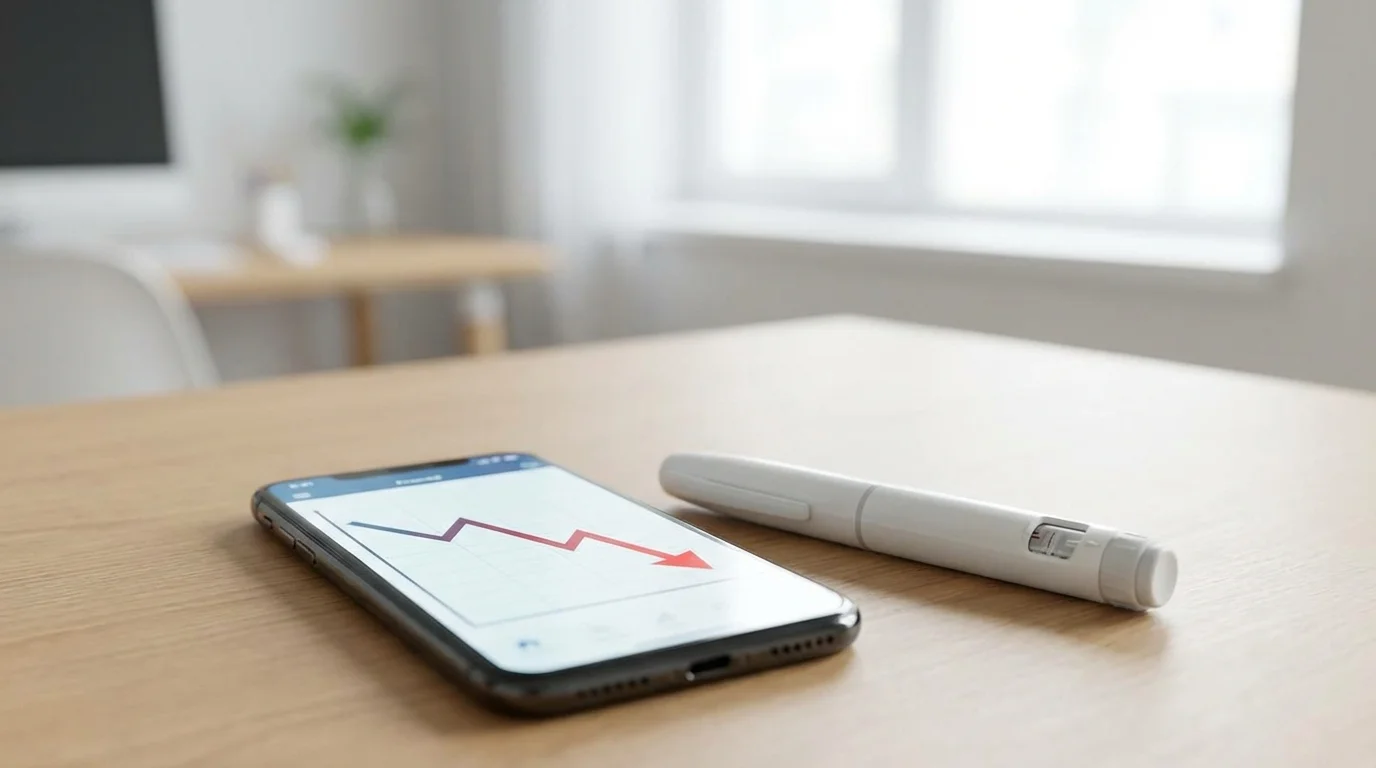
On February 24, 2026, Novo Nordisk announced that Wegovy, Ozempic, and Rybelsus will move to a US list price of $675 per month effective January 1, 2027. That is a big headline, but it is easy to misunderstand.
The most important thing to know is this: a lower list price is not the same thing as a guaranteed $675 monthly cost for every patient. Real out-of-pocket cost still depends on insurance design, deductibles, coinsurance, savings programmes, and whether you are using a current self-pay route.
Here is the practical version of what changed, what has not changed yet, and what patients should watch between now and January 1, 2027. Consult your healthcare provider before starting any medication.
What Novo Nordisk actually announced
According to Novo Nordisk’s February 24, 2026 announcement, the company will lower the US list price to $675 per month for:
- Wegovy injection 2.4 mg
- Wegovy tablets 25 mg
- Ozempic 0.5 mg, 1 mg, and 2 mg
- Rybelsus 7 mg and 14 mg
Novo Nordisk described this as a list-price change intended to improve access, especially for patients whose out-of-pocket cost is linked to list price.
The announced reductions
| Medicine | Previous list price context | New list price effective January 1, 2027 |
|---|---|---|
| Wegovy | about $1,349/month | $675/month |
| Ozempic | about $1,029/month | $675/month |
| Rybelsus | lower than Wegovy/Ozempic but still high | $675/month |
Novo Nordisk said this represents about a 50% reduction for Wegovy and about a 35% reduction for Ozempic.
What this means for patients in real life
The announcement matters most for people whose costs rise and fall with list price.
Patients most likely to feel the benefit
A lower list price may matter more if you are:
- paying fully out of pocket
- in a high-deductible health plan
- paying coinsurance instead of a flat copay
- early in the plan year and not yet through your deductible
That last point is partly an inference from how many insurance designs work. Novo Nordisk itself specifically highlighted patients whose out-of-pocket cost is tied to list price.
Patients who may not feel an immediate difference
You may not see a dramatic change on day one if you have:
- a fixed copay that does not change with list price
- a separate employer or PBM coverage rule that still limits access
- an active savings programme that already gives you a lower price today
So the 2027 change is important, but it does not mean every patient should simply assume their monthly bill becomes exactly $675.
Why this does not automatically change today’s cost
The announced list-price change starts on January 1, 2027. That means your current payment options in May 2026 can look very different.
For example, current official NovoCare pages show active Wegovy savings and self-pay pricing that varies by product and dose. As of the page version available in early May 2026:
- commercial-insurance patients may qualify for offers as low as $25 per month in some cases
- self-pay pricing can be dose-dependent
- some limited-time offers are below the future announced $675 list price
That is why patients should compare the live offer available now with the future list price instead of assuming the 2027 number is automatically the best deal.
Why this announcement happened in a changing market
This pricing move did not happen in isolation.
1) Novo Nordisk is expanding direct and partner access channels
Novo Nordisk’s February 24, 2026 announcement said the new list price builds on ongoing access efforts, including:
- savings offers
- self-pay through NovoCare Pharmacy
- select telehealth relationships
Then on March 26, 2026, Hims & Hers announced that Novo Nordisk’s FDA-approved GLP-1 medications were available to eligible customers through its platform, including the Wegovy pill.
That matters because the patient journey is shifting from traditional retail-pharmacy-only access toward a mix of manufacturer, telehealth, and hybrid access models.
2) The compounded semaglutide landscape has changed
FDA said on February 21, 2025 that the shortage of semaglutide injection products was resolved. That was a major turning point because shortage status had been central to the expanded compounding environment.
FDA later said on April 30, 2026 that it was proposing to exclude semaglutide, tirzepatide, and liraglutide from the 503B bulks list, saying it had not identified a clinical need for outsourcing facilities to compound these drugs from bulk substances.
In plain language: the official environment for compounded semaglutide has become less favourable than it was during the shortage era. That makes access to branded and officially approved channels more important for many patients.
3) The product lineup itself is growing
FDA also approved Wegovy HD (7.2 mg) on March 19, 2026, showing that the semaglutide market is not standing still. More dose options, more products, and more access channels all influence how drug makers think about pricing and positioning.
Should patients wait until 2027?
For most people, the answer is not automatically.
If you need treatment now, the better question is:
- what does your insurance cover today?
- do you qualify for a current NovoCare offer?
- is a telehealth access route offering an FDA-approved product at a lower current cost?
- what is clinically appropriate for you right now?
Waiting for January 1, 2027 may make sense for some cash-pay patients who do not need immediate treatment and have no better current option. But many patients may already have lower or more practical routes available before that date.
What to ask before making a cost decision
If cost is your main barrier, it helps to ask:
- Is my cost based on copay, deductible, or coinsurance?
- Do I qualify for a current manufacturer savings or self-pay programme?
- Is my pharmacy quote based on list price or on a negotiated rate?
- Would another approved GLP-1 option be a better clinical or financial fit?
- Am I relying on outdated compounded-product assumptions from the shortage period?
These questions often matter more than the headline alone.
Bottom line
The core fact is clear: Novo Nordisk announced on February 24, 2026 that Wegovy, Ozempic, and Rybelsus will move to a $675 US list price on January 1, 2027.
That is a meaningful pricing change. But it is best understood as a future list-price reset, not a promise that every patient will pay $675.
For some people, especially those with costs tied directly to list price, this could be a real improvement. For others, current self-pay offers, insurance design, and access pathway may matter more than the future headline price.
The safest next step is to compare your actual 2026 options with the announced January 1, 2027 list price and make the decision with your clinician. Consult your healthcare provider before starting any medication.
Related Articles
- Compounded Semaglutide Ending: What to Do
- Wegovy Price and Availability
- Ozempic vs Mounjaro vs Wegovy (2026)
Sources
- Novo Nordisk press release, February 24, 2026: https://www.novonordisk.com/news-and-media/news-and-ir-materials/news-details.html?id=916504
- NovoCare Wegovy savings and self-pay offer: https://www.novocare.com/obesity/products/wegovy/savings-offer.html
- Hims & Hers newsroom update on Wegovy and Ozempic availability, March 26, 2026: https://news.hims.com/newsroom/wegovy-r-pill-and-wegovy-r-pen-now-available-with-hims-hers
- FDA clarification on semaglutide shortage status, updated from February 21, 2025: https://www.fda.gov/drugs/drug-alerts-and-statements/fda-clarifies-policies-compounders-national-glp-1-supply-begins-stabilize
- FDA approval of Wegovy HD, March 19, 2026: https://www.fda.gov/news-events/press-announcements/fda-approves-fourth-product-under-national-priority-voucher-program-higher-dose-semaglutide
- FDA proposal on 503B bulks list, April 30, 2026: https://www.fda.gov/news-events/press-announcements/fda-proposes-exclude-semaglutide-tirzepatide-and-liraglutide-503b-bulks-list
FAQ
How much will Ozempic cost in 2027?
Novo Nordisk said Ozempic will move to a US list price of $675 per month across the 0.5 mg, 1 mg, and 2 mg doses on January 1, 2027.
How much will Wegovy cost in 2027?
Novo Nordisk said Wegovy injection 2.4 mg and Wegovy tablets 25 mg will move to a US list price of $675 per month on January 1, 2027.
Does this mean everyone will pay $675?
No. $675 is the announced list price, not a guaranteed out-of-pocket price. What you actually pay still depends on insurance, coinsurance, deductibles, coupons, self-pay programmes, and pharmacy channel.
Does this affect what I pay today?
Not automatically. The announced list-price change starts on January 1, 2027. Current self-pay and savings offers may already be lower or different depending on the product and dose.
Does the 2027 price cut include Rybelsus?
Yes. Novo Nordisk said Rybelsus 7 mg and 14 mg will also move to a $675 per month US list price on January 1, 2027.
Is compounded semaglutide still part of this story?
Yes. FDA said on February 21, 2025 that the semaglutide injection shortage was resolved, which changed the compounding landscape. Patients should check current rules and product availability with their clinician and pharmacy.
Written by
Dietician / Nutritionist
Health Content Writer
R Mohana Manasa is a Dietician / Nutritionist professional who contributes evidence-informed health and wellness content for WeightEasy.
View profile →Reviewed by
BHMS
Senior Medical Reviewer
Dietitian with experience in nutrition counseling, meal planning and promoting healthy lifestyles. Dedicated to help individuals achieve optimal health and well-being through personalized nutrition strategies. Skilled in providing expert guidance for managing conditions like diabetes, weight challenges and Lifestyle management.
View profile →