
What to Eat While Taking Ozempic
Find evidence-informed guidance on dietary choices to consider while using Ozempic to support weight loss and treatment tolerance.
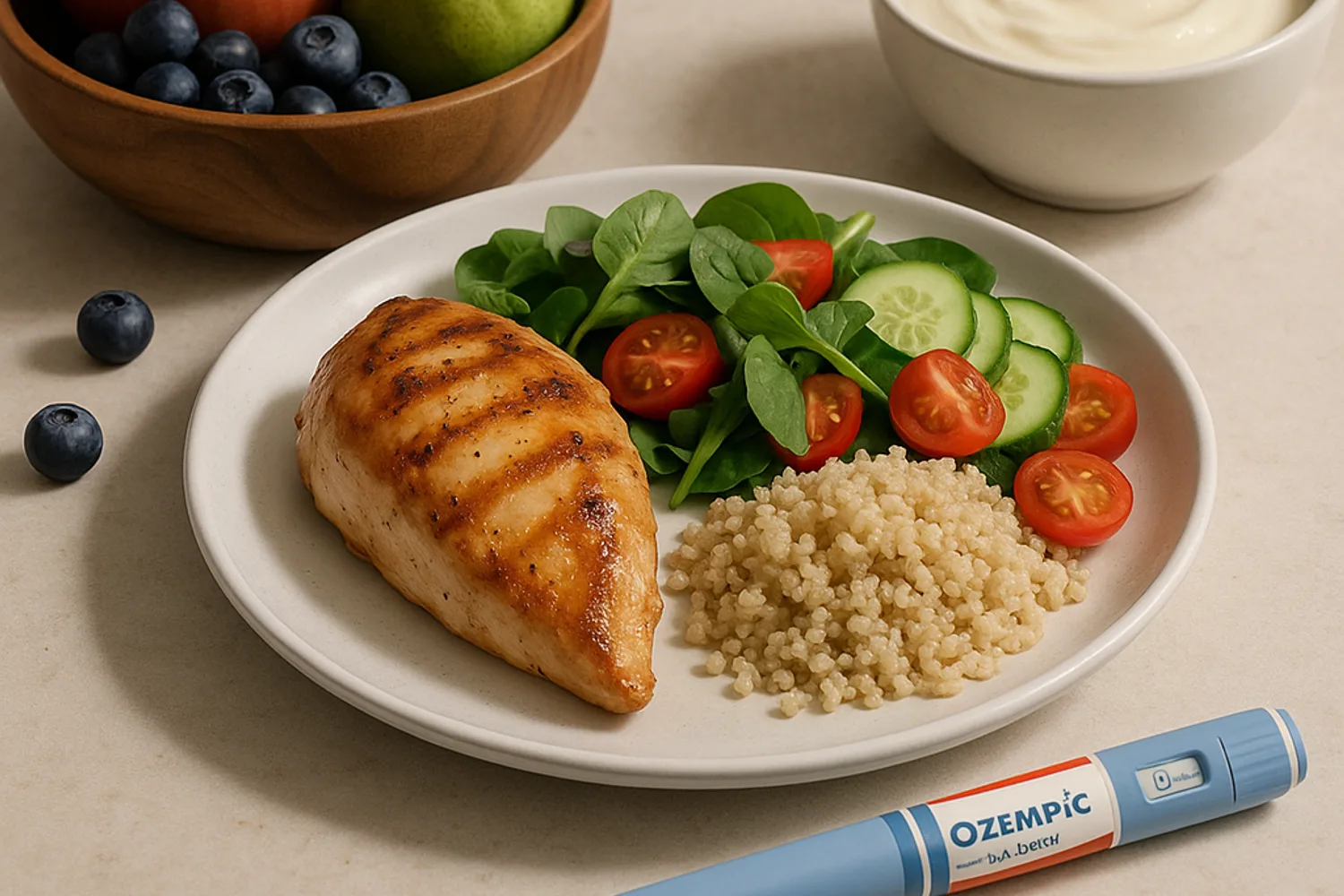
What to Eat While Taking Ozempic
Ozempic (semaglutide) is a medication that many people use to help manage type 2 diabetes, and it has also been prescribed for weight management. If you and your doctor have decided this path is right for you, you might be wondering how to best support your journey with your food choices. This guide offers practical, evidence-aware information on eating patterns that can complement your treatment. It is not a substitute for professional medical advice. Consult your healthcare provider before starting any medication.
Understanding how Ozempic works can help you understand why certain eating habits may be more comfortable and effective. The medication works, in part, by slowing down how quickly food leaves your stomach. This process, called delayed gastric emptying, helps you feel fuller for longer. It’s a key reason why it can be effective for blood sugar management and weight loss.
This "fullness effect" also means your relationship with food might change. Large, heavy meals that you used to enjoy might now feel uncomfortable. Your appetite signals may be different. This is an opportunity to tune into your body’s new cues and build a sustainable, nourishing eating style.
Key Nutritional Principles to Consider
While there is no official "Ozempic diet," focusing on a balanced intake of nutrient-dense foods can help you feel your best, manage potential side effects, and support your overall health goals.
Prioritize Lean Protein
Protein is a powerhouse nutrient. It’s essential for maintaining muscle mass, which is particularly important during weight loss. It also takes longer to digest, contributing to that feeling of satiety and helping to keep you full between meals.
- Why it helps: Supports muscle health and promotes lasting fullness.
- What to include: Skinless chicken or turkey, fish (like salmon or cod), eggs, beans, lentils, tofu, and low-fat Greek yogurt.
Aim to include a source of lean protein with every meal. This could look like scrambled eggs for breakfast, a grilled chicken salad for lunch, and baked fish with vegetables for dinner.
Embrace Fiber-Rich Foods
Fiber is crucial for digestive health, and it can be a good friend while taking Ozempic. Soluble fiber, in particular, can help regulate digestion and prevent constipation, a potential side effect. Fiber also helps stabilize blood sugar and adds bulk to meals, enhancing feelings of fullness.
- Why it helps: Supports digestive regularity, aids in blood sugar control, and increases satiety.
- What to include:
- Vegetables: Broccoli, Brussels sprouts, leafy greens, carrots.
- Fruits: Berries, apples, pears (with the skin on).
- Whole Grains: Oats, quinoa, brown rice, whole-wheat bread.
- Legumes: Lentils, chickpeas, black beans.
Choose Healthy Fats
Fat is not the enemy. Your body needs healthy fats for brain function, hormone production, and absorbing certain vitamins. The key is to focus on unsaturated fats and be mindful of portion sizes, as fats are more calorie-dense than protein or carbohydrates.
- Why it helps: Essential for bodily functions and can contribute to feeling satisfied.
- What to include: Avocado, nuts, seeds, and olive oil.
A sprinkle of chia seeds on your yogurt, a slice of avocado with your eggs, or a light vinaigrette made with olive oil on your salad are all great ways to incorporate healthy fats.
Stay Hydrated
Drinking enough water is fundamental to good health. While on Ozempic, it can be especially helpful. Proper hydration can help manage side effects like nausea or constipation. Sometimes, our bodies mistake thirst for hunger, so staying hydrated can also help you better interpret your appetite signals.
- Why it helps: Aids digestion, can lessen side effects, and supports overall wellness.
- What to do: Aim to drink water consistently throughout the day. Herbal tea and clear broths can also contribute to your fluid intake.
Foods That May Increase Side Effects
Because Ozempic slows digestion, some foods may sit in your stomach longer and cause discomfort like nausea, bloating, indigestion, or acid reflux. You don't necessarily have to eliminate these foods, but you may feel better if you consume them in smaller quantities or less frequently.
High-Fat and Fried Foods
Greasy, heavy, and fried foods can be particularly challenging for a slower-moving digestive system. They take a long time to break down and can worsen feelings of nausea or indigestion.
- Examples: French fries, fried chicken, creamy pasta sauces, rich desserts, and fast-food burgers.
Very Sugary Foods and Drinks
While Ozempic helps regulate blood sugar, a diet high in refined sugars can work against your health goals. Sugary items often provide a quick burst of energy followed by a crash and typically lack the nutrients and fiber that promote lasting fullness.
- Examples: Candy, sugary sodas, pastries, and some breakfast cereals.
Alcohol and Carbonated Drinks
It’s important to discuss alcohol consumption with your doctor, as it can impact blood sugar and interact with medications. From a comfort perspective, both alcohol and carbonated beverages can sometimes contribute to gas, bloating, and acid reflux.
Practical Tips for Mealtime Success
Adjusting how you eat can be just as important as what you eat. These simple strategies can help you adapt to your body's new rhythm.
Eat Smaller, More Frequent Meals
Instead of three large meals, you might find that four or five smaller "mini-meals" are easier on your digestive system. This can help you get the nutrition you need without feeling overly full or uncomfortable.
Eat Slowly and Mindfully
Take your time with your food. Chewing thoroughly and putting your fork down between bites gives your stomach time to process and allows your brain to receive fullness signals. This practice can prevent you from accidentally eating past the point of comfort.
Listen to Your Body
This is perhaps the most important tip. Your old hunger and fullness cues may no longer apply. Pay close attention to how you feel. Stop eating when you feel gently satisfied, not stuffed. If a certain food consistently makes you feel unwell, consider reducing your portion size or swapping it for something else.
Plan Your Meals
When you feel less hungry, it can be easy to skip meals, but that can lead to getting overly hungry later or not getting enough nutrients. A little planning helps ensure you have balanced, protein- and fiber-rich options ready to go when you need them.
A Supportive Path Forward
Using a medication like Ozempic is a significant step in your health journey. Pairing it with a mindful, nutrient-rich eating pattern can help you manage side effects and work toward your long-term wellness goals. Focus on whole foods, prioritize protein and fiber, and listen carefully to your body’s signals. For those seeking structured guidance, programs that support behavioral change can be a valuable part of a comprehensive care plan.
This journey is unique to you. What works for one person may not work for another, so be patient and compassionate with yourself as you learn what makes you feel your best. Always keep an open dialogue with your medical team about your experience. Consult your healthcare provider before starting any medication.
Sources
- U.S. Food & Drug Administration (FDA). (2022). Ozempic (semaglutide) injection prescribing information. https://www.accessdata.fda.gov/drugsatfda_docs/label/2022/209637s012lbl.pdf
- Mayo Clinic. (2023). Semaglutide (Subcutaneous Route) Precautions. https://www.mayoclinic.org/drugs-supplements/semaglutide-subcutaneous-route/precautions/drg-20406743
- Cleveland Clinic. (2023). What to Know About Semaglutide. https://my.clevelandclinic.org/health/treatments/13901-glp-1-agonists
- National Institute of Diabetes and Digestive and Kidney Diseases (NIDDK). (2017). Dieting & Gallstones. https://www.niddk.nih.gov/health-information/digestive-diseases/gallstones/dieting
- Ozempic official patient website — how Ozempic works. https://www.ozempic.com/why-ozempic/how-ozempic-works.html
Written by
Dietician / Nutritionist
Health Content Writer
Harshita Sharma is a Dietician / Nutritionist professional who contributes evidence-informed health and wellness content for WeightEasy.
View profile →Reviewed by
Ph. D in Food Science and Nutrition
Senior Medical Reviewer
Dr. Shunmukha Priya. S is a Ph. D in Food Science and Nutrition professional who reviews WeightEasy health content for medical and editorial accuracy.
View profile →