
What to Eat While Taking Zepbound
Discover nutrition tips for those using Zepbound, focusing on dietary choices that may complement weight management efforts.
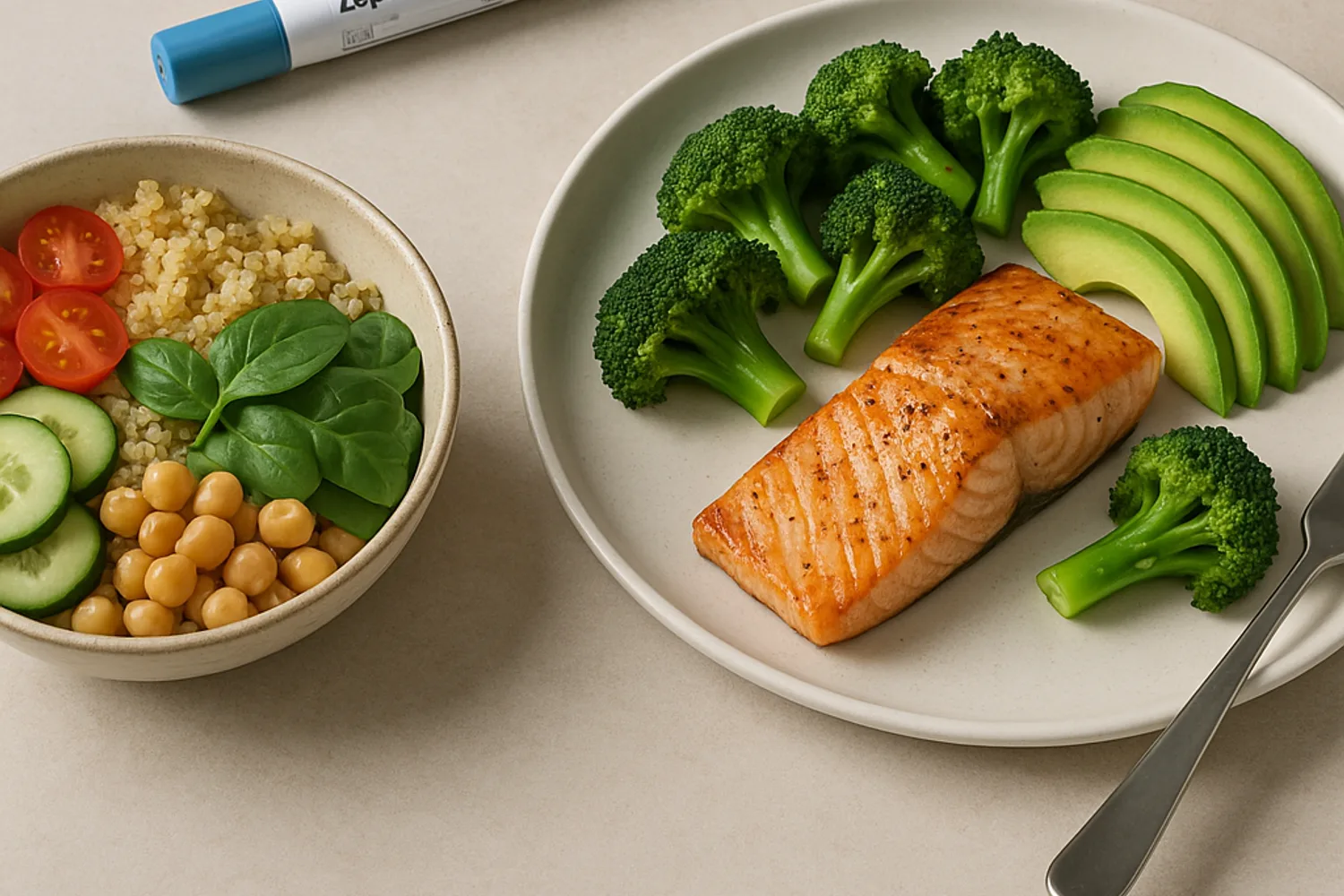
What to Eat While Taking Zepbound
Starting a new medication on your weight management journey is a significant step, and it often comes with questions. If you and your doctor have decided that Zepbound (tirzepatide) is right for you, you might be wondering: what now? How does this change what I should eat?
The good news is that there isn't a strict, mandatory "Zepbound diet." Instead, the medication works as a powerful tool to help you build and sustain healthier eating habits. It helps regulate appetite and slow down digestion, making it easier to feel satisfied with smaller, more nutrient-rich meals. This guide offers practical, evidence-aware strategies for nourishing your body while taking Zepbound.
Consult your healthcare provider before starting any medication. They can offer personalized advice based on your health history and goals.
How Zepbound Influences Appetite
To understand what to eat, it helps to know a little about how Zepbound works. It mimics two natural hormones in your body (GIP and GLP-1) that are involved in blood sugar control and appetite. A key effect is that it slows down how quickly food leaves your stomach, a process called gastric emptying.
This delayed emptying is a major reason why you might feel full faster and stay full longer. It’s a game-changer for appetite control, but it also means the food choices you make are more important than ever. Your body has more time to absorb nutrients, but it can also mean that rich, greasy, or very large meals may feel uncomfortable. The goal is to work with the medication, not against it.
Your Nutritional Strategy: The Core Four
Think of your eating plan as being built on four key pillars: protein, fiber, healthy fats, and hydration. Focusing on these areas will help you feel your best, manage potential side effects, and support long-term health.
1. Prioritize Protein
Protein is your superstar nutrient while taking Zepbound. It’s essential for maintaining muscle mass, which is crucial during weight loss. Muscle is metabolically active, meaning it burns more calories at rest than fat does. Prioritizing protein helps ensure you're losing primarily fat, not valuable muscle.
Protein is also highly satiating. A meal rich in protein will help you feel satisfied and can prevent the energy slumps that often lead to snacking on less nutritious foods.
Practical Tips:
- Aim for a protein source at every meal. Think lean chicken, fish, turkey, eggs, tofu, beans, lentils, or Greek yogurt.
- Consider a protein shake or smoothie. If you struggle with a low appetite, a liquid meal can be an easy way to get quality nutrition without feeling overly full.
- Spread it out. Instead of one large protein-heavy meal, distribute your intake throughout the day to support stable energy and muscle maintenance.
2. Embrace Fiber
With digestion slowed down, keeping things moving regularly is important. Fiber is essential for digestive health and can help manage potential side effects like constipation. It also contributes to feelings of fullness and helps stabilize blood sugar.
There are two types of fiber, and both are beneficial. Soluble fiber (in oats, beans, apples, carrots) dissolves in water to form a gel-like substance, while insoluble fiber (in whole grains, nuts, cauliflower, green beans) adds bulk to stool.
Practical Tips:
- Fill half your plate with non-starchy vegetables. Broccoli, leafy greens, bell peppers, and zucchini are packed with fiber and micronutrients.
- Choose whole grains. Swap white bread, pasta, and rice for 100% whole wheat, quinoa, or brown rice.
- Add legumes and seeds. Lentils, chickpeas, chia seeds, and flax seeds are simple additions to salads, yogurt, and soups that boost fiber significantly.
3. Focus on Healthy Fats
Fat is not the enemy. In fact, healthy fats are vital for hormone production, vitamin absorption, and brain health. However, because Zepbound slows digestion, large amounts of high-fat, greasy, or fried foods can cause discomfort, nausea, or indigestion.
The key is to focus on smaller portions of nutrient-dense, unsaturated fats.
Practical Tips:
- Incorporate sources of healthy fat. Avocado, nuts, seeds, and olive oil are excellent choices.
- Be mindful of portion sizes. A quarter of an avocado, a small handful of almonds, or a tablespoon of olive oil is often enough to provide benefits without causing discomfort.
- Limit fried and greasy foods. These are often difficult to digest and can worsen side effects. Opt for baked, grilled, steamed, or air-fried cooking methods instead.
4. Stay Hydrated
Hydration is always important, but it’s especially key when taking a GLP-1 medication. Adequate water intake helps fiber do its job, which can prevent constipation. It also supports your overall metabolism and energy levels.
Sometimes, the body can mistake thirst for hunger. Staying hydrated can help you better interpret your body’s signals.
Practical Tips:
- Sip water throughout the day. Don't wait until you're thirsty. Keep a water bottle with you as a constant reminder.
- Listen to your body. You may feel full quickly from liquids, too. Small, frequent sips are often better tolerated than chugging a large glass of water at once.
- Limit sugary drinks. Sodas, sweetened teas, and many fruit juices can add empty calories without providing much nutritional value.
Eating to Minimize Side Effects
Many people adjust to Zepbound with few issues, but some may experience side effects like nausea, acid reflux, or constipation, especially when starting the medication or increasing a dose. Your food choices can make a big difference.
If you’re feeling nauseous:
- Eat smaller, more frequent meals. An overly full stomach can trigger nausea.
- Choose bland, simple foods. Think toast, rice, bananas, and crackers. Broth-based soups can also be soothing.
- Avoid strong smells and overly rich or spicy foods.
If you’re experiencing constipation:
- Increase your fiber intake gradually. A sudden jump can cause bloating.
- Boost your water intake. This is critical for helping fiber work effectively.
- Incorporate gentle movement, like walking, into your daily routine.
A New Way of Eating for a New You
Zepbound can be an incredibly effective medication for weight management. The best way to support its work is to focus on building sustainable, healthy eating patterns centered on whole, nutrient-dense foods. Use the reduced appetite as an opportunity to tune into your body’s true hunger and fullness cues.
This journey isn't about restriction; it's about nourishment. It's about providing your body with the high-quality fuel it needs to feel strong and vibrant. By focusing on protein, fiber, healthy fats, and hydration, you're not just following a diet—you're creating a foundation for lasting health.
Remember to be patient and kind to yourself as you navigate these changes. Consult your healthcare provider before starting any medication, and keep them informed about your progress and any side effects you experience.
Sources
- U.S. Food & Drug Administration (FDA). FDA Approves New Medication for Chronic Weight Management. https://www.accessdata.fda.gov/drugsatfda_docs/label/2024/217806s003lbl.pdf
- MedlinePlus — tirzepatide injection: https://medlineplus.gov/druginfo/meds/a622051.html
- Mayo Clinic. Weight-loss drugs: Can they help you? https://www.mayoclinic.org/healthy-lifestyle/weight-loss/in-depth/weight-loss-drugs/art-20044832
- Academy of Nutrition and Dietetics. How to Increase Fiber in Your Diet. https://www.cdc.gov/healthy-weight-growth/index.html
Written by
M.Sc
Health Content Writer
Neha is a M.Sc professional who contributes evidence-informed health and wellness content for WeightEasy.
View profile →Reviewed by
Immunobiologist
Senior Medical Reviewer
Dr Kshama Jain is an Immunobiologist professional who reviews WeightEasy health content for medical and editorial accuracy.
View profile →