
What to Eat While Taking Mounjaro
Learn about appropriate foods to eat while using Mounjaro, with advice aimed at supporting weight loss and overall well-being.
What to Eat While Taking Mounjaro
Starting a new medication on your health journey is a significant step, and it’s natural to have questions about how to best support your body. If you and your healthcare provider have decided that Mounjaro (tirzepatide) is right for you, you might be wondering: what should I eat?
This guide offers practical, supportive information on nutritional strategies that can complement your treatment, help manage potential side effects, and nourish your body as you work toward your goals. It’s not a rigid diet plan, but a flexible framework to help you feel your best.
Consult your healthcare provider before starting any medication.
How Mounjaro Works and Why Nutrition Matters
Mounjaro works in part by slowing down how quickly your stomach empties. This process, known as delayed gastric emptying, helps you feel fuller for longer after meals. It also works on receptors in your brain that regulate appetite, which can lead to eating less.
Because of these effects, the quality of the food you eat becomes even more important. Since you may be eating smaller portions, making each bite count with nutrient-dense foods is a powerful way to support your overall health. Thoughtful food choices can also help you manage common side effects like nausea or indigestion that some people experience.
Key Nutritional Principles for Your Mounjaro Journey
Instead of focusing on a list of "good" and "bad" foods, consider embracing a few core principles. These can help you build sustainable, healthy habits that last.
Prioritize Protein
Protein is a powerhouse nutrient, especially during weight loss. It helps you feel full and satisfied, which is a major advantage when your appetite is reduced. Importantly, getting enough protein helps your body maintain lean muscle mass while it loses fat.
- Lean Meats: Chicken breast, turkey, lean cuts of beef or pork.
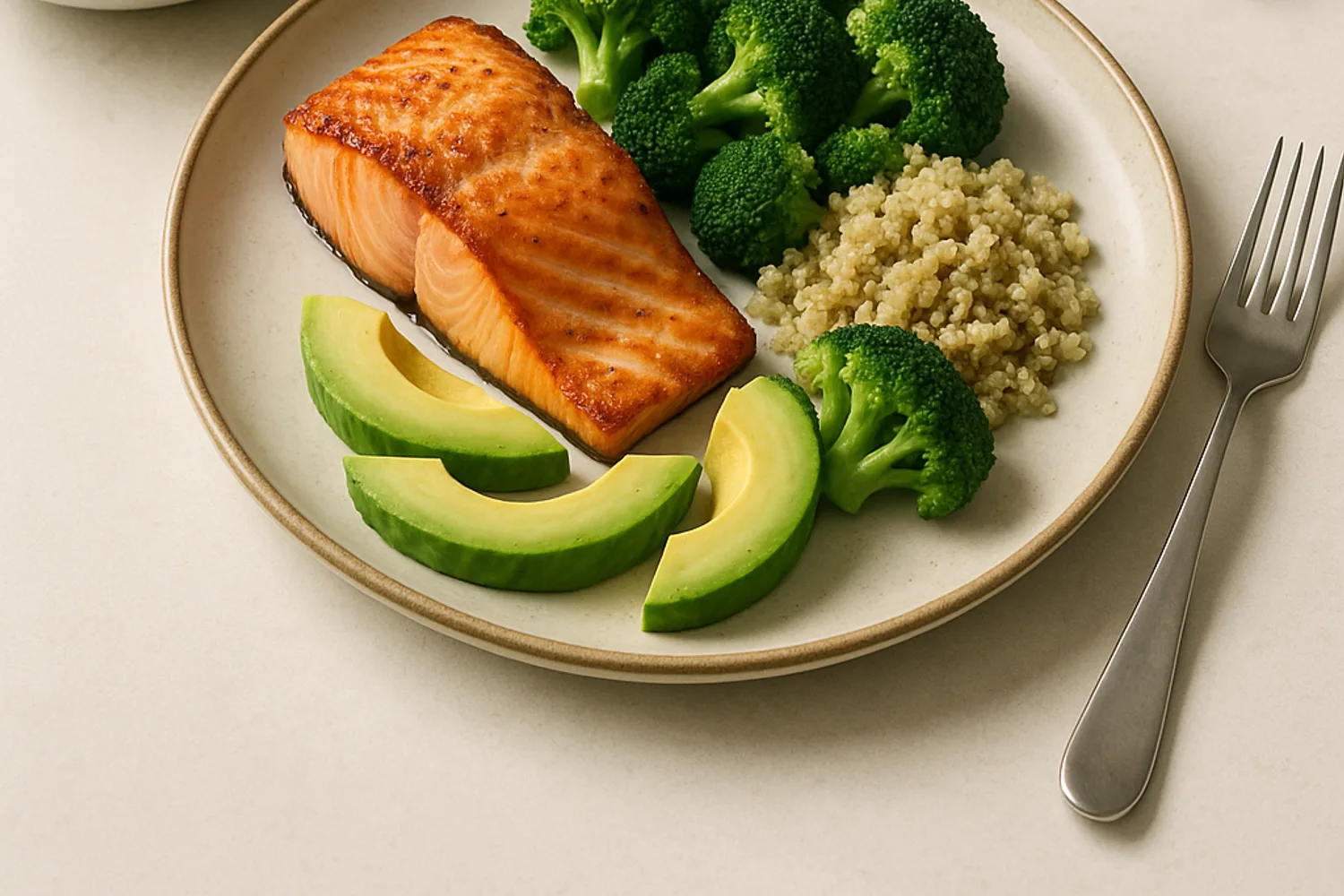
- Fish: Salmon, tuna, cod, and shrimp are excellent sources of protein and healthy fats.
- Plant-Based Options: Lentils, beans, chickpeas, tofu, and edamame are fantastic choices.
- Dairy and Eggs: Greek yogurt, cottage cheese, and eggs are simple, protein-packed options.
Aim to include a source of protein with every meal. This simple step can make a significant difference in your energy levels and satiety throughout the day.
Embrace Fiber
Fiber is essential for digestive health and can be particularly helpful while taking Mounjaro. It aids in promoting regular bowel movements and also contributes to feelings of fullness.
- Vegetables: Broccoli, Brussels sprouts, carrots, and leafy greens are full of fiber and other vital nutrients.
- Fruits: Berries, apples, pears, and oranges provide fiber and natural sweetness.
- Whole Grains: Oats, quinoa, brown rice, and whole-wheat bread offer sustained energy.
- Legumes: Beans and lentils are double-duty foods, providing both fiber and protein.
Choose Healthy Fats
Fats are a necessary part of a healthy diet, providing energy and supporting cell function. The key is to focus on unsaturated fats while limiting saturated and trans fats.
- Sources of Healthy Fats: Avocado, nuts, seeds (like chia and flax), and olive oil.
These fats can enhance the flavor and satisfaction of your meals. A sprinkle of seeds on your yogurt or a slice of avocado on whole-grain toast can be both delicious and nourishing.
Don't Forget Hydration
Staying well-hydrated is always important, but it's crucial when taking a medication that affects your digestive system. Drinking enough water can help with digestion and may lessen side effects like constipation or nausea.
Keep a water bottle handy throughout the day. If you find plain water unappealing, try infusing it with lemon, cucumber, or mint for a refreshing twist.
Managing Common Side Effects with Food
Many people adjust to Mounjaro with minimal issues, but some may experience temporary side effects. Your diet can be a useful tool for managing them.
For Nausea
If you feel nauseous, especially after your injection, try eating smaller, more frequent meals instead of three large ones. Stick to bland, easy-to-digest foods.
- Helpful foods: Saltine crackers, toast, bananas, rice, and broth-based soups.
- Foods to limit: Greasy, fried, or very spicy foods, which can make nausea worse.
For Constipation
Slower digestion can sometimes lead to constipation. To help keep things moving, focus on two key things: fiber and water.
- Increase fiber intake gradually from sources like raspberries, pears, beans, and whole grains.
- Ensure you are drinking plenty of water throughout the day to help the fiber do its job.
For Bloating or Gas
Feeling overly full or gassy can happen as your body adjusts. Eating slowly and chewing your food thoroughly can make a big difference. Smaller portions are also your friend here, as they are less likely to overwhelm your digestive system.
A Gentle Approach to Foods to Limit
Rather than creating a list of forbidden foods, it can be more helpful to think about which foods might make you feel unwell while on Mounjaro. Many people find they are more sensitive to certain types of food, especially in large quantities.
- High-Fat and Fried Foods: Foods like fried chicken, french fries, and rich, creamy sauces can be hard to digest and may worsen nausea or indigestion.
- High-Sugar Foods and Drinks: Sugary sodas, candy, and pastries can cause blood sugar spikes and may not provide lasting energy or fullness.
- Highly Processed Foods: These often lack the fiber and nutrients your body needs and can be high in sodium and unhealthy fats.
Listen to your body. If you notice a particular food doesn't sit well with you, it’s okay to limit it or find an alternative.
Your Path Forward
Navigating a new medication is a journey of learning what works best for you. The goal is to create a pattern of eating that nourishes your body, supports your health goals, and makes you feel good. Focus on whole foods, prioritize protein and fiber, and stay hydrated.
Partner with your healthcare team to create a comprehensive plan that includes nutrition, physical activity, and any other lifestyle changes that will support your success. Remember to be patient and kind to yourself as you adapt.
Consult your healthcare provider before starting any medication.
Sources
- U.S. Food and Drug Administration (FDA). Mounjaro (tirzepatide) Medication Guide. https://www.accessdata.fda.gov/drugsatfda_docs/label/2022/215866s000lbl.pdf
- Mounjaro Official Patient Site. https://www.accessdata.fda.gov/drugsatfda_docs/label/2025/215866s034lbl.pdf
- Cleveland Clinic. GLP-1 Agonists. https://my.clevelandclinic.org/health/treatments/13901-glp-1-agonists
- Mayo Clinic. Weight-loss basics. https://www.mayoclinic.org/healthy-lifestyle/weight-loss/basics/weightloss-basics/hlv-20049483
- Jastreboff AM, Aronne LJ, Ahmad NN, et al. Tirzepatide Once Weekly for the Treatment of Obesity. N Engl J Med. 2022;387(3):205-216. https://pubmed.ncbi.nlm.nih.gov/35658024/
- Academy of Nutrition and Dietetics. The Role of Protein in Your Diet. https://www.cdc.gov/healthy-weight-growth/index.html
Written by
Dietician / Nutritionist
Health Content Writer
Varshitha Sotala is a Dietician / Nutritionist professional who contributes evidence-informed health and wellness content for WeightEasy.
View profile →Reviewed by
Ph. D in Food Science and Nutrition
Senior Medical Reviewer
Dr. Shunmukha Priya. S is a Ph. D in Food Science and Nutrition professional who reviews WeightEasy health content for medical and editorial accuracy.
View profile →