
Mounjaro Results Timeline: What to Expect
Understand typical timelines and factors that may influence weight loss results when using Mounjaro as part of your treatment.
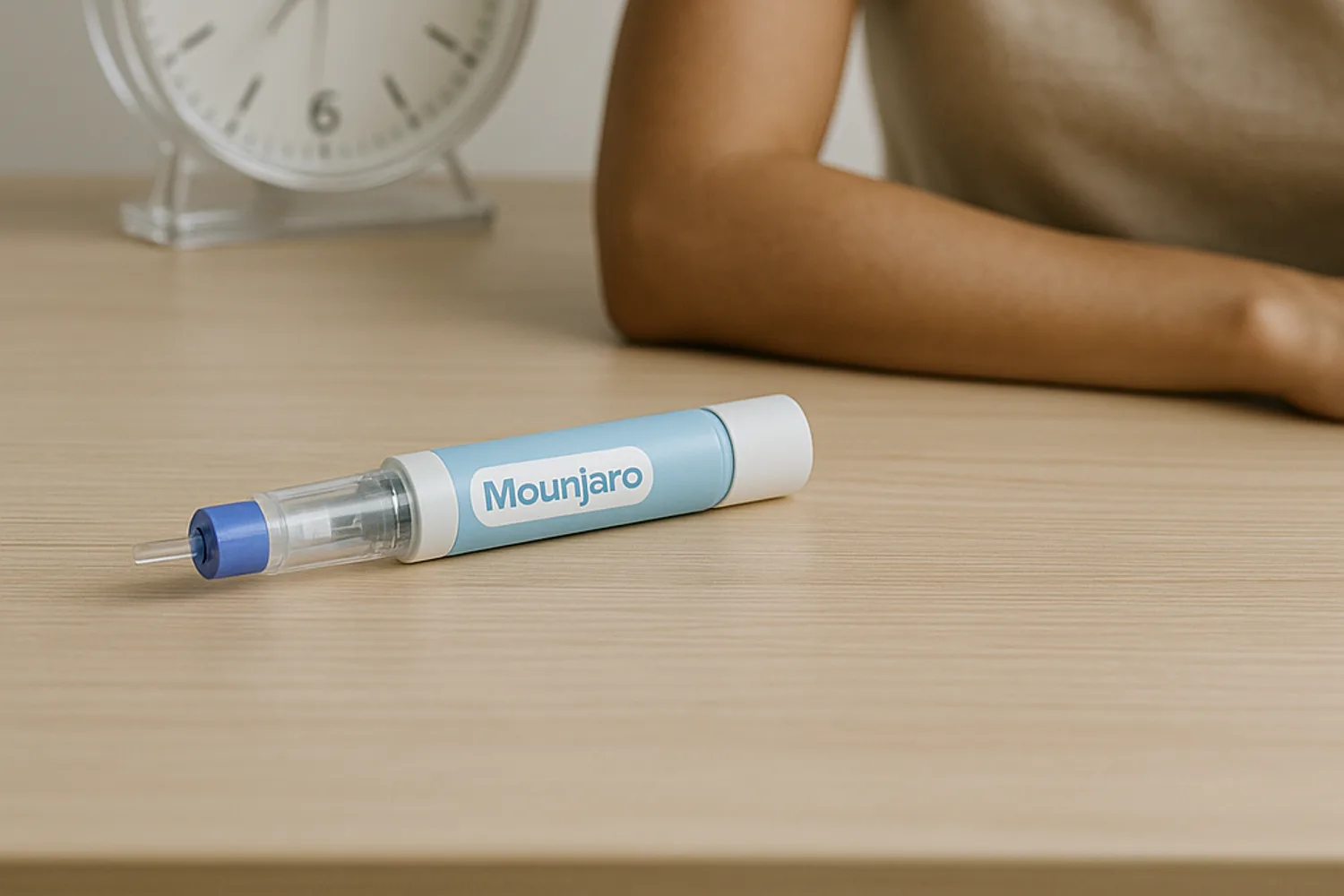
Mounjaro Results Timeline: What to Expect
Starting a new medication for weight management or type 2 diabetes can bring a mix of hope and uncertainty. If you and your doctor have decided that Mounjaro (tirzepatide) is a good fit for you, it’s natural to wonder, “When will I see results?” While every person’s journey is unique, we can look at clinical studies and common experiences to create a general timeline of what to expect.
This article provides a realistic overview of the Mounjaro results timeline, from the first few weeks to long-term progress. The key is to remember that patience and consistency are your most important allies. Consult your healthcare provider before starting any medication.
How Mounjaro Works in the Body
Before diving into the timeline, it helps to understand what Mounjaro does. It’s a dual-action medication that works on two different receptors in your body: GIP (glucose-dependent insulinotropic polypeptide) and GLP-1 (glucagon-like peptide-1).
In simple terms, this dual action helps your body in a few key ways:
- It helps regulate blood sugar levels.
- It slows down how quickly food leaves your stomach, which helps you feel fuller for longer.
- It signals to your brain that you are full, which can significantly reduce appetite and "food noise"—the constant, intrusive thoughts about food.
This combination of effects is what helps lead to weight loss and improved glycemic control. The process is gradual and tied to the medication dose, which is increased slowly over time.
A Realistic Timeline for Mounjaro Results
Your provider will start you on a low dose of Mounjaro (typically 2.5 mg once a week) and gradually increase it. This process, called titration, helps your body adjust and minimizes potential side effects. The initial doses are not considered therapeutic for weight loss; they are stepping stones.
The First Few Weeks (Month 1)
The first month is primarily about acclimatization. The most common change people report is not on the scale, but in their mind.
- Reduced Appetite: Many users notice a decrease in hunger and cravings within the first week or two. You might find yourself satisfied with smaller portions.
- Quieter "Food Noise": The constant preoccupation with what to eat next may begin to fade, offering a sense of freedom and control.
- Initial Weight Loss: Some weight loss can occur in the first month, but it’s often modest. This can be a combination of reduced calorie intake and a loss of water weight. It’s also normal not to see much change on the scale at this low starting dose.
Months 2-3: Building Consistency and Momentum
As your doctor continues to increase your dose every four weeks (moving to 5 mg, then 7.5 mg), the medication's effects often become more pronounced.
- More Consistent Weight Loss: With the dose increasing, weight loss tends to become more steady and noticeable.
- Clothes Fit Differently: This is often the point where you start to feel a difference in how your clothes fit, even if the scale is moving slowly. This is a great non-scale victory to celebrate.
- Lifestyle Integration: By now, you’re likely building healthy habits around nutrition and movement. Mounjaro works best as a tool to support these changes, not as a replacement for them.
Months 4-6: Seeing Significant Progress
Many people experience more substantial results during this period as they reach higher, more effective doses (like 10 mg, 12.5 mg, or 15 mg).
- Accelerated Weight Loss: Clinical trials for chronic weight management show that significant weight loss often occurs around the six-month mark. The SURMOUNT-1 study, for example, tracked participants for 72 weeks (about 17 months) and saw the most significant results over this extended period.
- Improved Health Markers: If you are monitoring them, you may see improvements in metrics like blood pressure, cholesterol, and A1c levels.
- Increased Energy: As your body becomes lighter and your health improves, you may notice a welcome boost in your energy levels and mobility.
6 Months and Beyond: Long-Term Management
Mounjaro is intended for long-term use for chronic conditions like obesity and type 2 diabetes. The goal shifts from initial weight loss to sustainable, long-term health management.
- Continued Progress: Weight loss can continue well past the six-month mark, as demonstrated in the 72-week clinical trials.
- Plateaus: It is completely normal for weight loss to slow down or hit a plateau. This is a natural part of any weight loss journey. Working with your healthcare provider and focusing on consistent lifestyle habits can help navigate these periods.
- Finding a Maintenance Dose: Once you reach your health goals, you and your doctor will determine the right maintenance dose to help you sustain your progress.
Factors That Can Influence Your Results
No two people are the same, and several factors can affect how quickly you see results with Mounjaro.
Your Starting Point
Your initial weight, metabolic rate, and any co-existing health conditions can play a significant role in your progress.
Lifestyle Habits
Mounjaro is most effective when paired with a healthy lifestyle. Your results will be greatly influenced by your diet, physical activity levels, sleep quality, and stress management. Focusing on a balanced diet rich in protein, fiber, and healthy fats can support the medication's effects.
Adherence to Treatment
Taking your medication consistently as prescribed is crucial. The gradual dose escalation is designed for optimal safety and efficacy, so it’s important to follow your doctor’s plan.
Individual Biology
Everyone's body responds to medication differently. Genetics, hormonal factors, and other unique biological variables mean that your timeline may look different from someone else’s—and that’s okay.
More Than Just a Number on the Scale
While weight loss is often a primary goal, the benefits of Mounjaro can extend far beyond that. Many users report profound improvements in their overall well-being, including:
- A healthier relationship with food.
- Better blood sugar control.
- Increased confidence and mental clarity.
- More enjoyment in physical activities.
Focusing on these non-scale victories can provide motivation and a more holistic view of your progress. Remember that this is a journey toward better long-term health, not a race to a specific number.
Patience is essential. The changes happen gradually, week by week and month by month. Trust the process, stay in close communication with your doctor, and celebrate the small wins along the way.
Consult your healthcare provider before starting any medication.
Sources
- FDA label for Mounjaro: https://www.accessdata.fda.gov/drugsatfda_docs/label/2025/215866s034lbl.pdf
- Jastreboff AM, et al. Tirzepatide once weekly for the treatment of obesity — PubMed: https://pubmed.ncbi.nlm.nih.gov/35658024/
- PubMed record for SURMOUNT-1 results: https://pubmed.ncbi.nlm.nih.gov/35658024/
- MedlinePlus — tirzepatide injection: https://medlineplus.gov/druginfo/meds/a622044.html
- Mounjaro official prescribing information: https://uspl.lilly.com/mounjaro/mounjaro.html#pi
Written by
Dietician / Nutritionist
Health Content Writer
Divya Magnani is a Dietician / Nutritionist professional who contributes evidence-informed health and wellness content for WeightEasy.
View profile →Reviewed by
Ph. D in Food Science and Nutrition
Senior Medical Reviewer
Dr. Shunmukha Priya. S is a Ph. D in Food Science and Nutrition professional who reviews WeightEasy health content for medical and editorial accuracy.
View profile →