
What to Eat While Taking Orforglipron
Get guidance on nutrition choices that may support weight management while taking Orforglipron as part of your treatment plan.
What to Eat While Taking Orforglipron
Orforglipron is part of a class of medications known as GLP-1 receptor agonists, which are used to help manage type 2 diabetes and support weight loss. These medications work by mimicking a natural hormone that helps regulate appetite, slow down stomach emptying, and control blood sugar. While the medication is a powerful tool, the food you eat plays a vital role in its effectiveness and in managing potential side effects.
This guide offers practical, evidence-aware suggestions for your diet while taking orforglipron. It’s not a restrictive meal plan, but rather a framework for building a healthy and sustainable eating pattern that works with your medication, not against it. Consult your healthcare provider before starting any medication.
Understanding How Orforglipron Affects Your Appetite
To understand what to eat, it helps to first understand what orforglipron does in your body. By activating GLP-1 receptors, it sends signals to your brain that you are full, which helps reduce your overall calorie intake. It also slows the rate at which food leaves your stomach.
This dual action is effective for weight management, but it also means your relationship with food might change. You will likely feel full much faster and with smaller amounts of food. This is why adjusting your eating habits is key to feeling your best and achieving your health goals.
Core Principles for Your Plate
Instead of focusing on a specific "diet," aim to build your meals around a few key principles. This approach is more flexible and easier to maintain long-term.
Prioritize Lean Protein
Protein is your most important partner on this journey. It’s essential for several reasons:
- Satiety: Protein is very filling. Including a good source of protein with every meal will enhance the feeling of fullness you get from orforglipron, making it easier to manage hunger between meals.
- Muscle Maintenance: When you lose weight, you want to lose fat, not muscle. Adequate protein intake helps preserve lean muscle mass, which is crucial for a healthy metabolism.
- Stable Energy: Protein helps stabilize blood sugar levels, preventing the energy spikes and crashes that can come from high-carb meals.
Aim to include a source of lean protein in every meal and snack.
Examples of lean protein sources:
- Skinless chicken or turkey breast
- Fish (like salmon, cod, or tuna)
- Eggs and egg whites
- Greek yogurt and cottage cheese
- Legumes (beans, lentils, chickpeas)
- Tofu and edamame
Fill Up on Fiber
Fiber, found in plant-based foods, is another key component. It works with orforglipron to promote fullness and support digestive health. There are two types of fiber, and both are beneficial. Soluble fiber helps slow digestion, and insoluble fiber adds bulk to stool, which can help with regularity.
Excellent sources of fiber include:
- Vegetables: Broccoli, Brussels sprouts, carrots, leafy greens
- Fruits: Berries, apples, pears (with the skin on)
- Whole Grains: Oats, quinoa, brown rice, whole-wheat bread
- Legumes: Lentils, black beans, chickpeas
- Nuts and Seeds: Almonds, chia seeds, flaxseeds
Choose Healthy Fats in Moderation
Fat is a necessary part of a healthy diet, but the type and amount matter, especially when taking orforglipron. Because the medication slows stomach emptying, large amounts of high-fat or greasy foods can sit in your stomach longer, potentially leading to discomfort, nausea, or indigestion.
Focus on incorporating small amounts of unsaturated fats, which support heart health and help your body absorb vitamins.
Sources of healthy fats:
- Avocado
- Olive oil
- Nuts and nut butters
- Seeds (like chia, flax, and sunflower)
Stay Hydrated
Drinking enough water is always important, but it's especially critical while taking a GLP-1 medication. Adequate hydration helps manage potential side effects like constipation and can also prevent you from confusing thirst with hunger.
Aim to drink water consistently throughout the day. If you find plain water unappealing, try infusing it with lemon, cucumber, or mint. Unsweetened herbal tea is also a great option.
Managing Common Side Effects with Food
Many of the common side effects associated with GLP-1 medications are gastrointestinal and can often be managed through simple dietary adjustments.
For Nausea
Nausea is one of the most common side effects, especially when first starting the medication or after a dose increase.
- Eat Smaller, More Frequent Meals: Large meals can overwhelm your slower-moving digestive system. Try eating five or six small meals instead of three large ones.
- Choose Bland Foods: If you're feeling nauseous, stick to simple foods like crackers, toast, rice, or bananas.
- Eat Slowly: Take your time with meals and chew your food thoroughly.
- Avoid Greasy or Heavily Spiced Foods: These can be harder to digest and may trigger nausea.
For Bloating or Excessive Fullness
The slowed stomach emptying can lead to a feeling of being overly full, even after a small meal.
- Listen to Your Body: Pay close attention to your body’s new fullness cues. Stop eating when you feel satisfied, not when your plate is empty.
- Reduce Portion Sizes: Use smaller plates to help you adjust to smaller portions naturally.
For Constipation
Slower digestion can sometimes lead to constipation.
- Increase Fiber Intake Gradually: Slowly add more high-fiber foods to your diet to give your system time to adjust.
- Drink Plenty of Water: Fiber needs water to work effectively. Not drinking enough while increasing fiber can make constipation worse.
Putting It All Together: What a Day Might Look Like
This isn't a prescription, but an example of how you might apply these principles:
- Breakfast: Scrambled eggs with spinach and a slice of whole-wheat toast. Or, Greek yogurt with berries and a sprinkle of chia seeds.
- Lunch: A large salad with grilled chicken, a variety of colorful vegetables, chickpeas, and a light vinaigrette dressing.
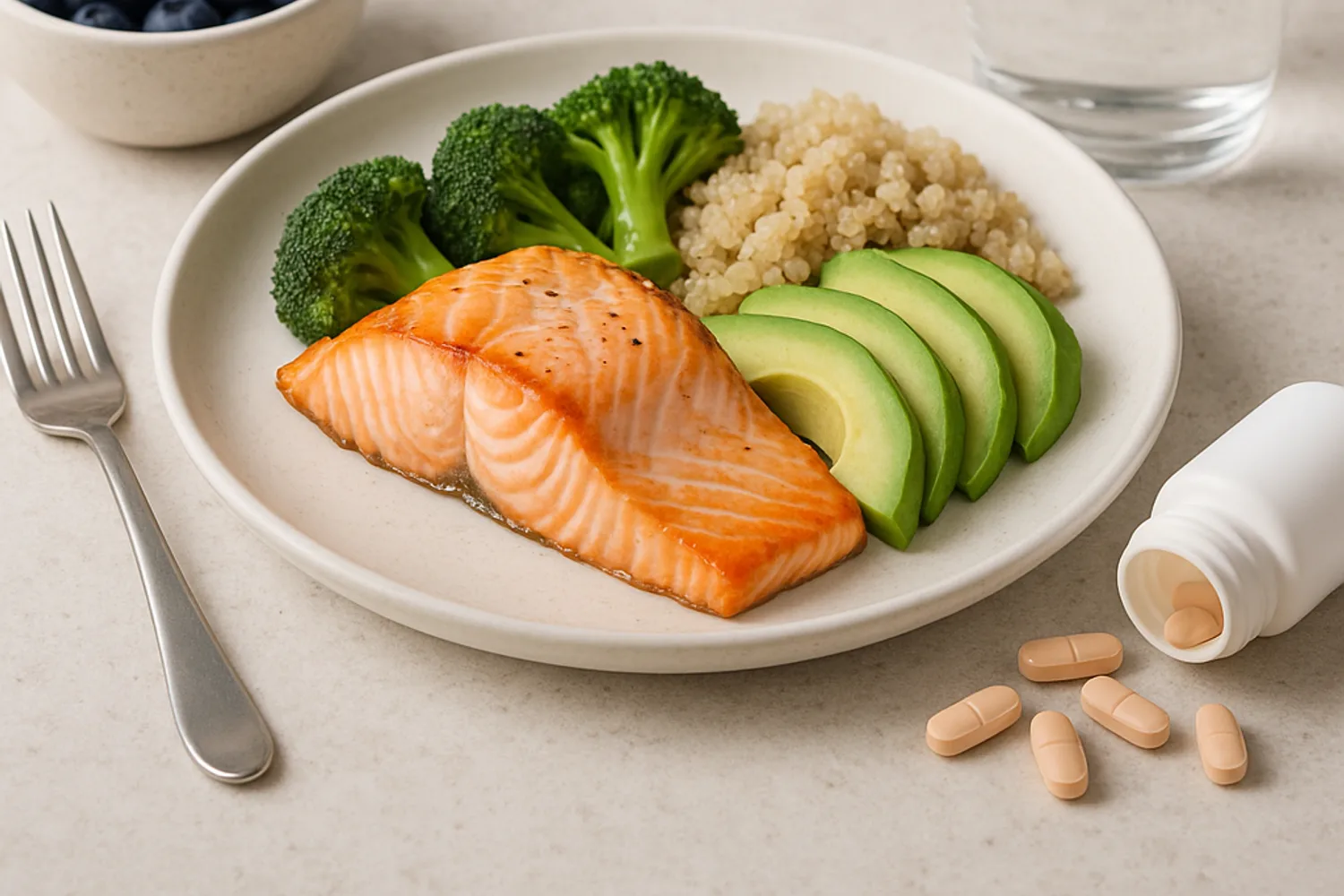
- Dinner: Baked salmon with roasted broccoli and a small portion of quinoa.
- Snacks: An apple with a tablespoon of almond butter, a small handful of almonds, or a cup of vegetable sticks with hummus.
Foods to Approach with Caution
Rather than a list of "forbidden" foods, think of these as foods to eat less often or in smaller quantities to minimize potential side effects and support your goals.
- Fried and Greasy Foods: These are often difficult to digest and can worsen nausea and discomfort.
- Sugary Foods and Drinks: Items like soda, candy, and pastries offer little nutritional value and can work against your blood sugar and weight management goals.
- Very Large Meals: Overeating can lead to significant discomfort. Learning your new limits for fullness is a key skill.
Your journey with orforglipron is a partnership between you, your healthcare provider, and the lifestyle choices you make. Focusing on a diet rich in protein, fiber, and healthy fats while staying hydrated will help you maximize the benefits of the medication and feel your best along the way. Consult your healthcare provider before starting any medication.
Sources
- Wharton, S., et al. (2023). Orforglipron for the treatment of adults with obesity. The New England Journal of Medicine. https://www.nejm.org/doi/full/10.1056/NEJMoa2302392
- Pratt, E., et al. (2023). Orforglipron (LY3502970) for the treatment of type 2 diabetes: a multicentre, randomised, double-blind, parallel-arm, phase 2 study. The Lancet. https://www.thelancet.com/journals/lancet/article/PIIS0140-6736(23)01302-X/fulltext
- National Institute of Diabetes and Digestive and Kidney Diseases (NIDDK). Glucagon-like Peptide-1 (GLP-1) Agonists. https://www.niddk.nih.gov/health-information/diabetes/overview/insulin-medicines-treatments
- American Diabetes Association. Nutrition and Healthy Eating. https://diabetes.org/healthy-living/recipes-nutrition
- U.S. National Library of Medicine. ClinicalTrials.gov. A Study of Orforglipron (LY3502970) in Participants With Obesity or Overweight (ATTAIN-1). https://clinicaltrials.gov/study/NCT05597193
Written by
M.Sc
Health Content Writer
Neha is a M.Sc professional who contributes evidence-informed health and wellness content for WeightEasy.
View profile →Reviewed by
Ph. D in Food Science and Nutrition
Senior Medical Reviewer
Dr. Shunmukha Priya. S is a Ph. D in Food Science and Nutrition professional who reviews WeightEasy health content for medical and editorial accuracy.
View profile →