
What to Eat While Taking Noveltreat
Explore nutrition tips for those taking Noveltreat in India, with guidance on foods that may support treatment goals safely.
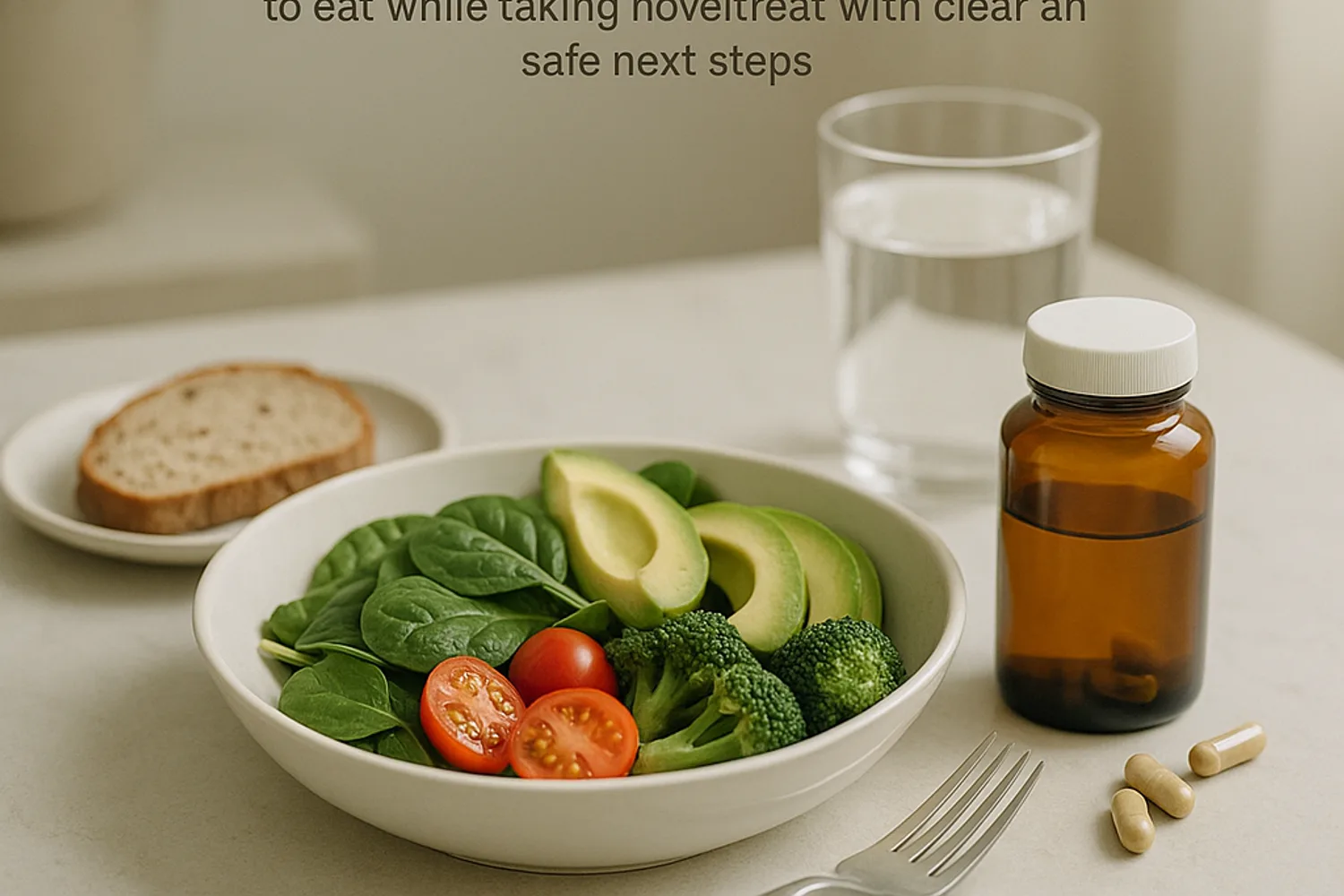
Your Guide to Eating Well While Taking Noveltreat
Taking a new medication as part of your health journey is a significant step, and it’s natural to have questions about how to best support your body. If you and your healthcare provider have decided that Noveltreat is a good fit for you, understanding how to pair it with supportive nutrition can make a world of difference. This guide is designed to offer practical, gentle suggestions for your eating habits. Consult your healthcare provider before starting any medication.
Think of Noveltreat as a powerful tool. Like any tool, it works best when used correctly and combined with other positive habits. The food you eat provides the essential fuel and building blocks your body needs to thrive as you work towards your health goals.
How Noveltreat Works with Your Body
To understand what to eat, it helps to briefly understand what Noveltreat does. It belongs to a class of medications that work by mimicking a natural hormone in your body. This has a few key effects related to digestion and appetite:
- It slows down stomach emptying. This means food stays in your stomach for longer, which can help you feel full and satisfied with smaller amounts of food.
- It sends signals to your brain. These signals help regulate your appetite, reducing hunger cravings and increasing feelings of fullness.
Because of these changes, your relationship with food might shift. You may find you get full much faster or that old cravings fade. The goal is to work with these new signals, not against them, by choosing foods that nourish you.
Core Principles for Your Plate
Instead of a strict diet, focus on a few simple, powerful principles. These habits support overall health and can also help manage potential side effects of the medication.
Prioritise Protein
Protein is your best friend on this journey. It is essential for maintaining muscle mass, which is important for a healthy metabolism. Protein is also highly satiating, meaning it helps you feel full and satisfied for longer.
- What to include: Aim to have a source of protein with every meal. Great options include dal, lentils, chickpeas (chana), paneer, tofu, eggs, chicken, and fish. Curd and Greek yoghurt are also excellent sources.
Fill Up with Fibre
Fibre is a powerhouse nutrient. It aids digestion, helps keep you regular, and contributes to that feeling of fullness. It’s found in plant-based foods and is crucial for gut health.
- What to include: Focus on whole grains like whole wheat roti, brown rice, oats, and millets. Load up on vegetables of all colours, and include fruits, beans, and seeds in your daily meals.
Stay Hydrated
Proper hydration is always important, but it’s especially key when taking Noveltreat. Water helps with digestion and can help manage side effects like constipation. Your new appetite signals might mean you don’t feel as thirsty, so it’s important to be mindful of your fluid intake.
- What to include: Aim for plenty of water throughout the day. Unsweetened herbal teas, clear soups, and buttermilk (chaas) are also great hydrating options.
Choose Healthy Fats
Fat is not the enemy! Healthy fats are essential for hormone production and absorbing certain vitamins. They also contribute to satiety.
- What to include: Incorporate sources like nuts (almonds, walnuts), seeds (chia, flax), avocados, and use healthy oils like olive or groundnut oil in moderation for cooking.
Navigating Potential Side Effects with Food
Some people experience side effects like nausea or constipation as their body adjusts to Noveltreat. The right food choices can often help ease this transition.
If You’re Feeling Nauseous
Nausea is one of the more common side effects. It’s usually mild and often lessens over time.
- Eat smaller, more frequent meals. Instead of three large meals, try five or six small ones. This prevents your stomach from getting too full or too empty.
- Choose bland, simple foods. Think khichdi, plain toast, idli, or a simple dal and rice. These are gentle on the stomach.
- Avoid certain triggers. Greasy, fried, very spicy, or overly sweet foods can sometimes make nausea worse. Pay attention to what your body tells you.
If You’re Dealing with Constipation
The slowing of digestion can sometimes lead to constipation.
- Focus on fibre and fluids. This is your primary strategy. Ensure you’re getting enough high-fibre foods (vegetables, whole grains, legumes) and drinking plenty of water throughout the day.
- Consider gentle movement. A daily walk can also help stimulate your digestive system.
Listening to Your New Body Cues
Perhaps the biggest change you’ll notice is in your appetite. You will likely feel full on much less food. This is an opportunity to practice mindful eating.
- Eat slowly. Give your brain time to receive the "I'm full" signal from your stomach.
- Use smaller plates. This can psychologically help you adjust to smaller portion sizes without feeling deprived.
- Stop when you’re satisfied, not stuffed. This might be a new feeling. Honour it. Learning to recognise your body’s new definition of "full" is a key skill.
Your journey with Noveltreat is a partnership between you, your healthcare provider, and the healthy choices you make every day. By focusing on nourishing, whole foods, you can support your body, manage side effects, and feel your best.
Remember to be patient and kind to yourself as you adapt. This is a process of learning and discovery. Consult your healthcare provider before starting any medication. They can offer personalised guidance and support tailored to your unique health needs.
Sources
- World Health Organization. (n.d.). Healthy diet. https://www.who.int/news-room/fact-sheets/detail/healthy-diet
- Eat Right India. https://www.nin.res.in/downloads/DietaryGuidelinesforNINwebsite.pdf
- U.S. National Library of Medicine. (2023). Semaglutide Injection. MedlinePlus. https://medlineplus.gov/druginfo/meds/a618008.html
- Harvard T.H. Chan School of Public Health. (n.d.). The Nutrition Source: Protein. https://www.hsph.harvard.edu/nutritionsource/what-should-you-eat/protein/
- Wegovy prescribing information: https://www.accessdata.fda.gov/drugsatfda_docs/label/2024/215256s011lbl.pdf
Written by
Dietician / Nutritionist
Health Content Writer
MRUGA is a Dietician / Nutritionist professional who contributes evidence-informed health and wellness content for WeightEasy.
View profile →Reviewed by
Immunobiologist
Senior Medical Reviewer
Dr Kshama Jain is an Immunobiologist professional who reviews WeightEasy health content for medical and editorial accuracy.
View profile →