
What to Eat While Taking Semaglyn
This guide offers nutrition advice for people in India taking Semaglyn, focusing on foods that may support treatment goals.
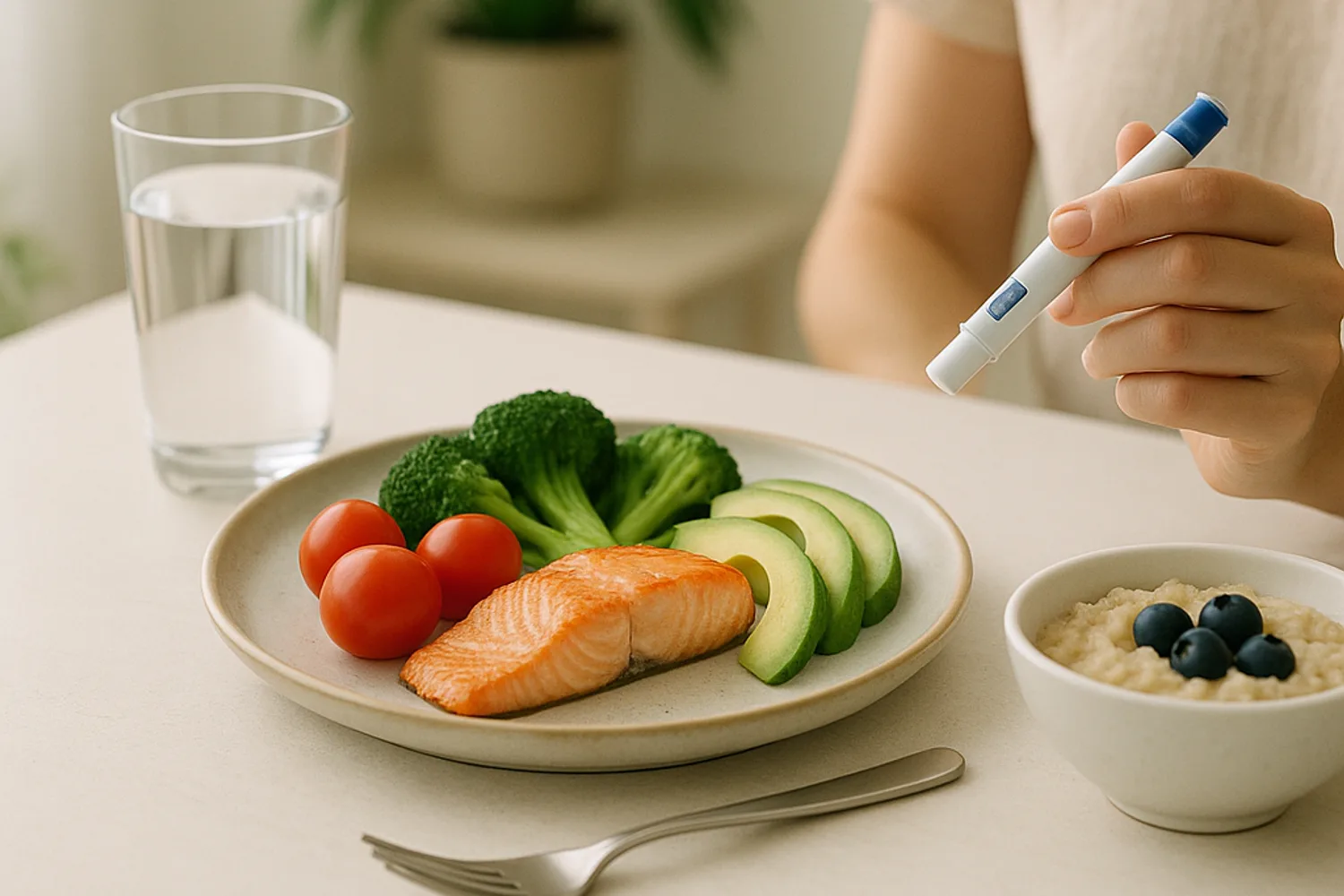
Semaglutide, the active ingredient in medications like Semaglyn, is a tool that can support weight management and blood sugar control. But it's just one part of the equation. The food you eat while taking it plays a vital role in how you feel, the side effects you may experience, and the long-term success of your health journey. Think of it as a partnership: the medication works to regulate your appetite, and your food choices provide the nourishment your body needs to thrive.
This guide offers a practical, evidence-aware look at how to approach your diet while taking semaglutide. It’s not about strict rules or deprivation, but about making mindful choices that work with the medication, not against it. Consult your healthcare provider before starting any medication.
Understanding How Semaglutide and Food Interact
To eat well on semaglutide, it helps to understand what it’s doing in your body. Semaglutide is part of a class of medicines called GLP-1 receptor agonists. In simple terms, it works in two main ways that affect your diet:
-
It slows down digestion. This process, called delayed gastric emptying, means food stays in your stomach for longer than usual. This is a primary reason you feel full sooner and for a longer period. It also means that large, heavy meals can feel uncomfortable.
-
It sends signals to your brain. It communicates with the appetite centres in your brain, reducing hunger pangs and food cravings. This makes it easier to be satisfied with smaller portions.
Because of these effects, your old eating habits might not serve you well anymore. A large meal that felt fine before might now lead to discomfort. The key is to adapt your eating style to align with these new signals from your body.
Core Principles for Your Diet
Instead of a restrictive diet, focus on building your meals around a few key principles. This approach is more sustainable and helps ensure you're getting the nutrients you need.
Prioritise Protein
Protein is your best friend on this journey. When you lose weight, you risk losing muscle mass along with fat. A protein-rich diet helps preserve that essential muscle. Protein also takes longer to digest, which enhances the feeling of fullness provided by the medication.
- Why it helps: Promotes satiety, preserves muscle mass, and provides stable energy.
- What to eat: Lean chicken, fish, eggs, paneer, tofu, lentils (dal), chickpeas (chana), and Greek yoghurt (dahi). Aim to include a source of protein in every meal.
Embrace Fibre from Whole Foods
Fibre is crucial for digestive health, which is especially important when your digestion has slowed. It also adds bulk to your meals without adding a lot of calories, contributing to that feeling of fullness.
- Why it helps: Aids digestion, prevents constipation, and increases fullness.
- What to eat: Whole grains like whole-wheat roti, brown rice, and oats; a wide variety of vegetables, especially leafy greens; and fruits like apples, berries, and pears.
Choose Healthy Fats
Not all fats are created equal. While very greasy, fried foods can worsen side effects, healthy fats are essential for your body to function correctly. They help with vitamin absorption and can also contribute to feeling satisfied.
- Why it helps: Supports overall health and satiety when eaten in moderation.
- What to eat: Nuts, seeds, avocados, and healthy oils like olive or mustard oil. A handful of almonds or walnuts makes for a great snack.
Stay Hydrated Throughout the Day
Hydration is always important, but it becomes even more critical on semaglutide. Dehydration can worsen side effects like nausea and constipation.
- Why it helps: Prevents dehydration, aids digestion, and can help manage side effects.
- What to drink: Water is best. Aim to sip it consistently throughout the day rather than drinking large amounts at once. Unsweetened herbal teas and clear broths are also excellent choices.
Foods and Habits to Be Mindful Of
Certain foods and habits can trigger or worsen common side effects like nausea, bloating, and indigestion. Being mindful of these can make your experience much more comfortable.
High-Fat and Greasy Foods
Because food sits in your stomach longer, heavy, fried, and greasy foods can be difficult to digest. They often lead to a feeling of excessive fullness, indigestion, and nausea.
- Examples: Deep-fried snacks (like samosas or pakoras), rich, creamy curries, and fast food.
Sugary Foods and Drinks
While semaglutide helps regulate blood sugar, consuming foods high in sugar can work against its benefits. These foods provide a quick spike of energy followed by a crash and offer very little nutritional value or lasting fullness.
- Examples: Sugary soft drinks, packaged juices, sweets, and pastries.
Large Portion Sizes
Your body’s "I'm full" signal will arrive much earlier than you're used to. Listening to this signal is one of the most important skills to develop. Eating past the point of fullness on semaglutide can lead to significant physical discomfort.
- Tip: Start with a small portion on a smaller plate. Eat slowly, chew thoroughly, and pause during your meal to check in with your body. You can always have more later if you are still truly hungry.
A Sample Day of Eating
This is not a strict plan, but an example of what a balanced day of eating could look like. Adjust portions based on your own body’s hunger and fullness cues.
- Breakfast: A bowl of oatmeal cooked with milk, topped with a few almonds and sliced banana. Or, two scrambled eggs with a side of sautéed vegetables.
- Lunch: A balanced meal with a bowl of dal, a serving of a non-starchy vegetable curry (sabzi), a side salad, and a small portion of brown rice or one whole-wheat roti.
- Dinner: Grilled paneer or chicken with a large portion of steamed or roasted vegetables. A light lentil soup (shorba) is also a great, nourishing option.
- Snacks: A piece of fruit, a small bowl of yoghurt, or a handful of nuts.
Your Path Forward
Your journey with semaglutide is an opportunity to build a new, healthier relationship with food. The goal is not a temporary "diet" but a sustainable way of eating that nourishes your body and makes you feel good. Listen to your body’s new signals, focus on whole, nutrient-dense foods, and be patient with yourself as you adapt.
By pairing this powerful medication with mindful, healthy eating, you create the best possible conditions for achieving your long-term health goals. Always work closely with your doctor to tailor your plan to your individual needs. Consult your healthcare provider before starting any medication.
Sources
- U.S. National Library of Medicine, MedlinePlus. (2023). Semaglutide Injection. https://medlineplus.gov/druginfo/meds/a618008.html
- Wegovy prescribing information: https://www.accessdata.fda.gov/drugsatfda_docs/label/2024/215256s011lbl.pdf
- Harvard T.H. Chan School of Public Health. The Nutrition Source: Protein. https://www.hsph.harvard.edu/nutritionsource/what-should-you-eat/protein/
- World Health Organization. (2020). Healthy diet. https://www.who.int/news-room/fact-sheets/detail/healthy-diet
- Goyal, R. K., & Jialal, I. (2023). Diabetes Mellitus Type 2. In StatPearls. StatPearls Publishing. https://www.ncbi.nlm.nih.gov/books/NBK513253/
- National Institute of Nutrition, India. Dietary Guidelines for Indians - A Manual. https://www.nin.res.in/downloads/DietaryGuidelinesforNINwebsite.pdf
Written by
Dietician / Nutritionist
Health Content Writer
MRUGA is a Dietician / Nutritionist professional who contributes evidence-informed health and wellness content for WeightEasy.
View profile →Reviewed by
BDS / MDS
Senior Medical Reviewer
Jude Bencia is a BDS / MDS professional who reviews WeightEasy health content for medical and editorial accuracy.
View profile →