
What to Eat While Taking Sematrinity
Find nutrition recommendations tailored for those in India using Sematrinity, emphasizing safe and supportive eating habits.
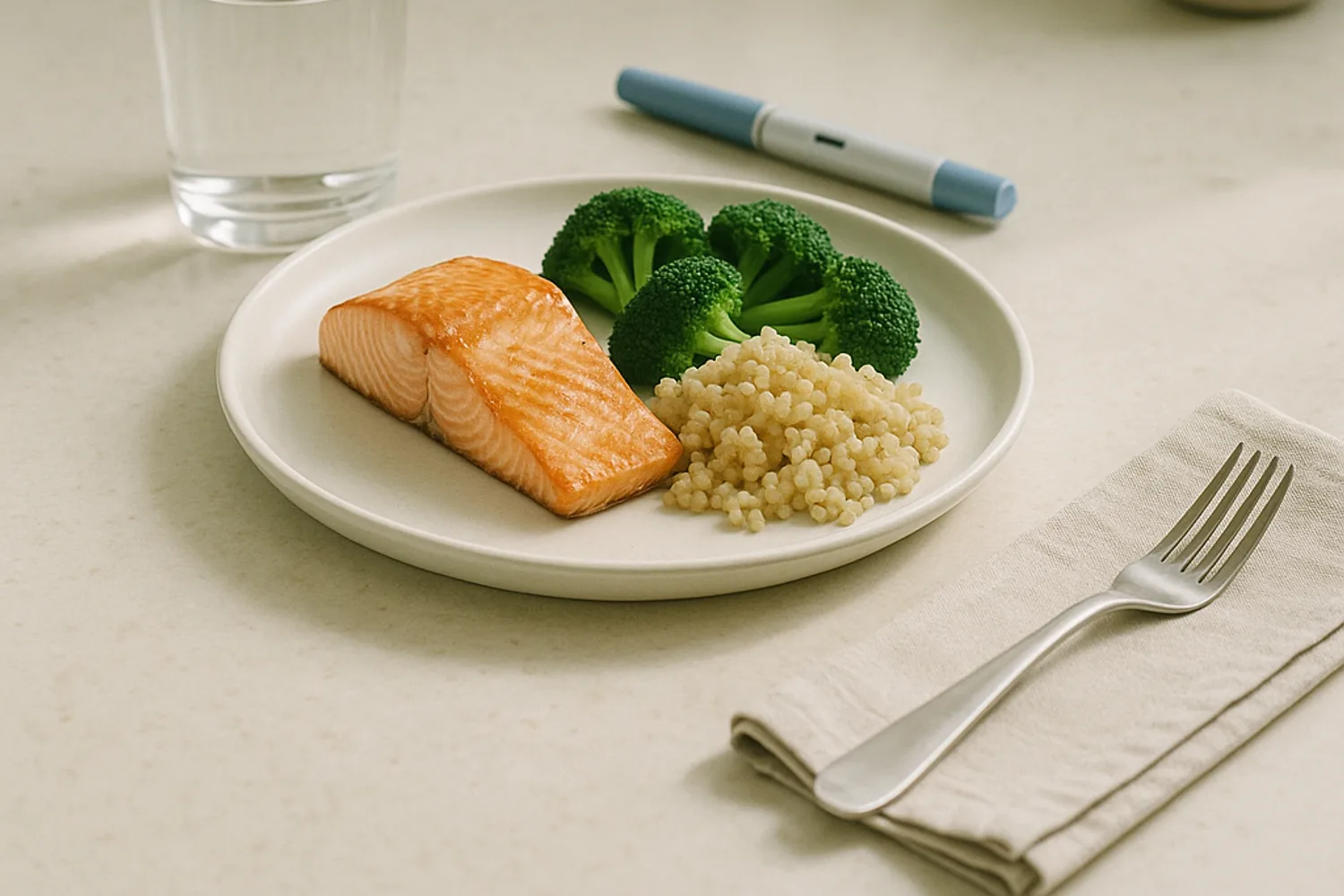
What to Eat While Taking Sematrinity
Sematrinity and similar medications are powerful tools that can support your weight management journey. They work by mimicking a natural hormone that tells your brain you’re full and slows down how quickly your stomach empties. This means you feel satisfied with smaller amounts of food for a longer period. But this new feeling of fullness also means that being thoughtful about what you eat is more important than ever.
This guide offers practical, evidence-aware suggestions for your diet while taking Sematrinity. It’s not a strict set of rules, but a framework to help you nourish your body, manage potential side effects, and build sustainable, healthy habits for the long term. Consult your healthcare provider before starting any medication.
The Foundation: Key Principles for Your New Way of Eating
While Sematrinity changes your appetite, the foundations of healthy eating remain the same. The goal is to get the maximum nutrition from the smaller portions you’ll be eating.
Prioritise Protein
Protein is your most important friend on this journey. It helps you maintain muscle mass as you lose weight, which is crucial for a healthy metabolism. It also contributes significantly to the feeling of fullness.
Aim to include a source of protein with every meal. Great options readily available in India include:
- Lentils and legumes (dal, chana, rajma)
- Paneer and tofu
- Eggs
- Greek yoghurt or thick dahi
- Chicken, fish, and lean meats
Fill Up on Fibre
Fibre is essential for good digestion and can help prevent constipation, a common side effect of this medication. It also helps stabilise blood sugar levels and keeps you feeling full.
Incorporate fibre-rich foods throughout your day:
- Vegetables: Fill half your plate with non-starchy vegetables like spinach (palak), cauliflower (gobi), okra (bhindi), and bell peppers.
- Whole Grains: Choose whole-wheat roti, brown rice, or millets like jowar and bajra over refined grains like white bread or maida.
- Fruits: Enjoy whole fruits like apples, berries, and oranges.
- Legumes: Dal and beans are fantastic sources of both protein and fibre.
Hydration is Non-Negotiable
Staying well-hydrated is always important, but it’s especially critical when taking Sematrinity. Drinking enough water can help manage side effects like nausea and constipation.
Aim for at least 8-10 glasses (2-3 litres) of water per day. If plain water feels boring, try unsweetened buttermilk (chaas), coconut water, or herbal teas.
Managing Common Side Effects with Diet
Many people experience mild, temporary side effects as their body adjusts to the medication. The right food choices can make a significant difference.
For Nausea
That "overly full" feeling can sometimes tip into nausea, especially in the beginning.
- Eat Small, Frequent Meals: Instead of three large meals, try five or six smaller ones. This prevents your stomach from getting too full.
- Avoid Greasy and Heavy Foods: Fried foods and rich, creamy curries can sit heavily in a stomach that empties slowly. Opt for steamed, grilled, or baked preparations.
- Choose Bland Foods: If you're feeling particularly queasy, stick to simple, easy-to-digest foods like khichdi, idli, plain rice with dal, or toast.
For Constipation
Slowed digestion can sometimes lead to constipation.
- Increase Fibre Slowly: Gradually add more high-fibre foods to your diet to give your system time to adjust.
- Drink Plenty of Water: Water helps fibre do its job effectively.
- Consider Gentle Movement: A short walk after meals can help stimulate your digestive system.
For Acid Reflux or Heartburn
Some people experience heartburn as their digestion slows.
- Identify Your Triggers: Pay attention to whether spicy foods, acidic foods (like tomatoes), or caffeine bother you.
- Don't Lie Down After Eating: Try to stay upright for at least an hour or two after a meal.
- Keep Dinner Light: A smaller, lighter evening meal can help prevent discomfort overnight.
What a Day of Eating Might Look Like
This is just a sample to give you ideas. The most important thing is to listen to your body’s hunger and fullness cues, which will be much stronger now.
- Breakfast: A small bowl of poha with vegetables and peanuts, or two scrambled eggs with a slice of whole-wheat toast.
- Lunch: A katori of dal, a generous portion of mixed vegetable sabzi, a small salad, and one whole-wheat roti or a small serving of brown rice.
- Snack: A piece of fruit, a handful of almonds, or a small bowl of dahi.
- Dinner: A piece of grilled fish or chicken with steamed vegetables, or a bowl of hearty lentil soup. Try to make this your lightest meal of the day.
Foods to Approach with Caution
No food is "bad," but some types of food can worsen side effects or work against your health goals. Given your reduced appetite, it's wise to make every bite count.
High-Fat and Fried Foods
Foods like samosas, pakoras, and deep-fried items can be very difficult to digest when your stomach is emptying slowly. They can sit in your stomach for a long time, leading to significant discomfort, bloating, and nausea.
Sugary Drinks and Sweets
Sugary sodas, packaged juices, and excessive amounts of mithai provide a lot of calories without much nutrition. They don't keep you full and can lead to energy crashes. It’s best to reserve these for special occasions and enjoy them in very small portions.
Highly Processed Foods
Packaged snacks, biscuits, and instant meals are often high in refined flour, unhealthy fats, and sodium. They lack the protein and fibre your body needs to feel satisfied and nourished.
A Sustainable Path Forward
Think of Sematrinity as a support system that helps you build healthier eating habits. The goal isn't a temporary, restrictive diet but a new, sustainable way of eating that you can maintain for life. Focus on whole, nutrient-dense foods that make you feel good. Listen to your body, honour its new signals of fullness, and be patient with yourself.
By pairing this powerful medication with mindful food choices, you are setting yourself up for long-term success on your health journey. Consult your healthcare provider before starting any medication.
Sources
- https://www.who.int/news-room/fact-sheets/detail/healthy-diet
- https://www.cdc.gov/healthy-weight-growth/index.html
- https://www.mayoclinic.org/drugs-supplements/semaglutide-subcutaneous-route/side-effects/drg-20406732
- https://www.nin.res.in/downloads/DietaryGuidelinesforNINwebsite.pdf
- MedlinePlus — semaglutide injection: https://medlineplus.gov/druginfo/meds/a618008.html
Written by
Dietician / Nutritionist
Health Content Writer
Vaishali Goyal is a Dietician / Nutritionist professional who contributes evidence-informed health and wellness content for WeightEasy.
View profile →Reviewed by
Dietician / Nutritionist
Senior Medical Reviewer
Dt Neha is a Dietician / Nutritionist professional who reviews WeightEasy health content for medical and editorial accuracy.
View profile →