
Orforglipron: Eli Lilly''s Once-Daily Oral GLP-1 Pill Explained
Get information on Orforglipron, Eli Lilly's once-daily oral GLP-1 pill expected to be approved in 2026, including usage details.
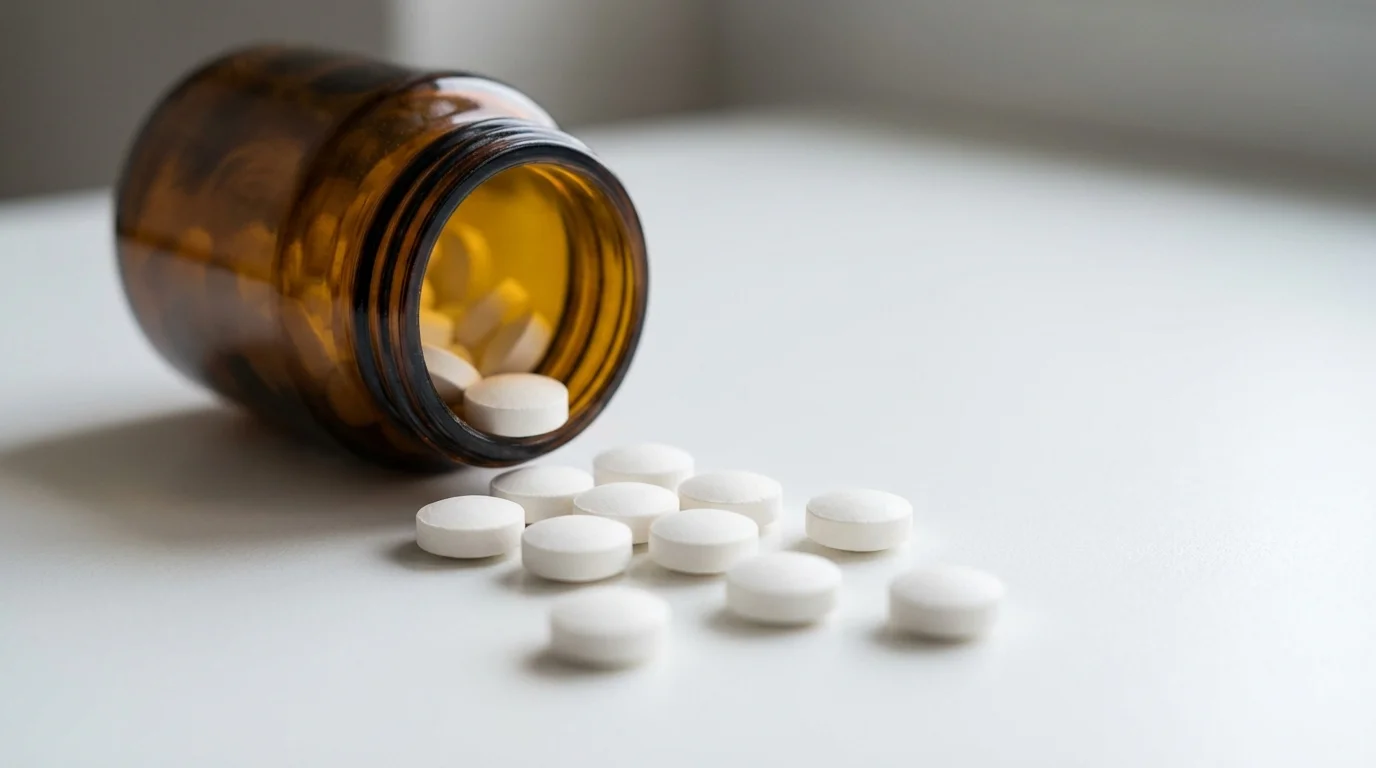
Orforglipron is the most anticipated new GLP-1 drug of 2026. Developed by Eli Lilly, it is a once-daily oral pill with no injection and no fasting requirements — a combination that no currently approved medication offers.
FDA approval is expected during 2026 following three successful Phase 3 clinical trials completed in 2025. Here is everything you need to know about how it works, what the trials showed, and how it fits into the current GLP-1 landscape.
The problem orforglipron solves
GLP-1 receptor agonists are among the most effective weight loss and diabetes treatments ever developed. But their most common delivery form — weekly injection — is a barrier for many patients. Needle anxiety, injection site reactions, refrigeration requirements, and the logistical friction of a weekly injection routine all reduce adherence and limit who will try the treatment.
An oral option exists already: Rybelsus (semaglutide 14 mg) for type 2 diabetes, and the newer Wegovy pill (semaglutide 25 mg) for weight management. But both require strict empty-stomach dosing with a half glass of water, followed by a 30-minute wait before eating, drinking, or taking other medications. These restrictions significantly limit their practical usability.
Orforglipron eliminates all of these friction points.
What makes orforglipron different: the small molecule approach
Most GLP-1 drugs are peptides — chains of amino acids that mimic the structure of naturally occurring GLP-1 hormone. Peptides cannot easily survive the acidic environment of the stomach when taken orally. That is why semaglutide requires special formulation tricks (the SNAC carrier molecule in Rybelsus) and strict dosing conditions.
Orforglipron takes a fundamentally different approach. It is a non-peptide small molecule — a synthetic chemical compound that activates GLP-1 receptors without being a peptide. Small molecules are more chemically stable, more resistant to stomach acid, and far more easily absorbed through the gut wall without special formulation requirements.
The practical result:
- No injection — daily tablet
- No fasting requirement — take with or without food, any time of day
- No water restriction — normal water intake is fine
- No refrigeration — stable at room temperature
- No 30-minute pre-meal window — take it and carry on
For patients who have resisted injectable GLP-1 therapy, or who found Rybelsus dosing too inconvenient, orforglipron removes the main practical objections.
What the Phase 3 trials showed
Eli Lilly ran two Phase 3 programs for orforglipron: ATTAIN for obesity and ACHIEVE for type 2 diabetes.
ATTAIN-1: Obesity, no diabetes
- Duration: 40 weeks
- Population: Adults with obesity (BMI ≥ 30) or overweight (BMI ≥ 27) with a weight-related condition, no diabetes
- Doses tested: 3 mg, 12 mg, 36 mg
- Key results at 36 mg: Average weight loss of 27.3 lbs (12.4%) of body weight
- Published: New England Journal of Medicine, September 2025
The ATTAIN-1 result was significant. An oral pill producing nearly 13% average weight loss without any injection or dosing restrictions is a genuinely new clinical option.
For context, the benchmark oral GLP-1 option before orforglipron — Rybelsus at 14 mg — produces approximately 4–5% weight loss in diabetes patients. Orforglipron at 36 mg produces more than double that.
ATTAIN-2: Obesity with type 2 diabetes
- Duration: 72 weeks
- Population: Adults with obesity and type 2 diabetes
- Key results at 36 mg: Average weight loss of 22.9 lbs (10.5%), 75% of patients achieved A1C ≤ 6.5%
- Significance: Demonstrated dual benefit in the comorbid population that is most common in clinical practice
ACHIEVE-3: Head-to-head vs oral semaglutide (Rybelsus)
This is the most commercially significant trial. Eli Lilly directly compared orforglipron against Rybelsus 14 mg — the established market leader in oral GLP-1 for type 2 diabetes.
- Duration: 40 weeks
- Population: Adults with type 2 diabetes
- Result: Orforglipron 36 mg produced 2.2% A1C reduction vs 1.4% with Rybelsus — a 57% greater A1C improvement
- Weight: Orforglipron produced 19.7 lbs weight loss vs 11.0 lbs with Rybelsus — 79% more weight loss
- Published: The Lancet, February 26, 2026
The ACHIEVE-3 head-to-head result is striking. Orforglipron substantially outperformed an equivalent oral GLP-1 medication on both primary endpoints — without requiring any of the dosing restrictions that Rybelsus imposes.
How orforglipron compares to other GLP-1 options
| Drug | Type | Frequency | Average weight loss | Food restrictions | Approval status |
|---|---|---|---|---|---|
| Ozempic 1 mg | Injection | Weekly | ~7–9% | None | ✅ Approved (T2D) |
| Wegovy 2.4 mg | Injection | Weekly | ~15–17% | None | ✅ Approved (obesity) |
| Zepbound 15 mg | Injection | Weekly | ~22% | None | ✅ Approved (obesity) |
| Rybelsus 14 mg | Tablet | Daily | ~4–5% | Yes (empty stomach) | ✅ Approved (T2D) |
| Wegovy pill 25 mg | Tablet | Daily | ~16.6% | Yes (empty stomach) | ✅ Approved (obesity) |
| Orforglipron 36 mg | Tablet | Daily | ~10–12% | None | ⏳ FDA review 2026 |
Orforglipron sits in an interesting position. It produces less weight loss than weekly injectable semaglutide (Wegovy) or tirzepatide (Zepbound) — but it is a daily pill with no restrictions at all.
For patients where injection is the main barrier, orforglipron offers a genuinely competitive option. It outperforms lifestyle-only approaches, outperforms oral metformin and other diabetes medications, and substantially outperforms the existing oral semaglutide options.
For patients who need maximum weight loss, the injectable options remain more effective on average. But "most effective" and "best for this patient" are not always the same question.
Side effects
The Phase 3 safety profile was consistent with the broader GLP-1 medication class:
Most common:
- Nausea — most common, especially during dose escalation; typically mild to moderate
- Diarrhoea
- Vomiting
- Constipation
- Decreased appetite (intended effect, though can be excessive for some)
Serious but rare (consistent with GLP-1 class):
- Pancreatitis
- Gallbladder disease
- Kidney effects from dehydration
- Thyroid-related risks (animal data; human risk not fully established)
The side effect profile did not produce any new or unexpected safety signals across the three Phase 3 trials. Gastrointestinal effects were generally mild to moderate and decreased over the first several weeks at each dose level.
No signals emerged suggesting that the small-molecule mechanism creates different safety concerns from peptide-based GLP-1 drugs.
Dosing: the titration approach
Doses studied in Phase 3: 3 mg, 12 mg, 36 mg.
The clinical approach will follow the same principle as all GLP-1 medications: start low and escalate gradually to allow the body to adjust and minimise GI side effects. The approved titration schedule will be confirmed in the prescribing information when FDA approval is granted.
Patients on other GLP-1 medications considering a switch to orforglipron should discuss the transition approach with their doctor — there is currently no published guidance on switching protocols.
Who would benefit most from orforglipron?
Once approved, orforglipron is likely to be most useful for:
Patients with needle phobia or injection anxiety For the significant proportion of patients who are unwilling to try weekly injections, orforglipron removes the primary barrier.
Patients who find Rybelsus or Wegovy pill inconvenient Empty-stomach dosing with restricted water is genuinely difficult to manage for people with busy mornings, variable schedules, or who take multiple morning medications. Orforglipron eliminates this problem entirely.
Type 2 diabetes patients wanting oral GLP-1 therapy Orforglipron substantially outperformed oral semaglutide in head-to-head data. For patients who prefer oral therapy, it is likely to become the preferred option when available.
Patients in countries where injectable semaglutide supply is constrained A small-molecule pill has different manufacturing requirements and supply chain characteristics than a biologic injectable. This may improve global availability in markets where injectable GLP-1 supply has been limited.
What about orforglipron for diabetes?
The ACHIEVE programme also studied orforglipron across multiple type 2 diabetes trials and produced strong results:
- Meaningful A1C reduction across all doses tested
- Weight loss at a level not typically seen with oral diabetes medications
- Outperformance of established oral options including Rybelsus
Eli Lilly is pursuing both obesity and type 2 diabetes indications. The FDA submission in late 2025 likely covered both.
When will orforglipron be available?
Eli Lilly submitted the regulatory application to the FDA in late 2025. The FDA is expected to complete its review during 2026.
A PDUFA (Prescription Drug User Fee Act) target action date has not been publicly announced at the time of writing. Once the FDA grants approval, the drug would move to commercial launch — typically within weeks to months.
Once approved, orforglipron will be the first small-molecule non-peptide oral GLP-1 receptor agonist available for weight management in the United States. It represents a genuinely new category within the already-expanding GLP-1 landscape.
Final takeaway
Orforglipron is a once-daily oral GLP-1 pill that requires no injection and no food restrictions. Phase 3 results show meaningful weight loss (around 27 lbs at the top dose in the obesity trial) and strong diabetes outcomes in head-to-head comparisons with existing oral options. An FDA submission was made in late 2025 with approval expected in 2026.
It will not replace injectable GLP-1 therapy for patients who want maximum weight loss. But for patients who want the benefits of GLP-1 treatment without needles, refrigeration, or dosing restrictions, orforglipron could be the most convenient and accessible option yet available.
Related Articles
- New GLP-1 Drugs Pipeline 2026–2027: What's Coming
- Generic Semaglutide vs Branded: What's the Difference?
- Ozempic and Wegovy Price Drop 2027: What to Expect
Consult your healthcare provider before starting any weight loss medication.
Consult your healthcare provider before starting any medication.
Sources
- Orforglipron study history on ClinicalTrials.gov: https://clinicaltrials.gov/search?term=orforglipron
- Rybelsus prescribing information: https://www.accessdata.fda.gov/drugsatfda_docs/label/2024/213051s018lbl.pdf
- Ozempic prescribing information: https://www.accessdata.fda.gov/drugsatfda_docs/label/2025/209637s025lbl.pdf
- MedlinePlus — semaglutide: https://medlineplus.gov/druginfo/meds/a618008.html
FAQ
What is orforglipron?
Orforglipron is a once-daily oral GLP-1 receptor agonist developed by Eli Lilly. It is a non-peptide small molecule, meaning it can be taken as a tablet at any time without food restrictions.
Is orforglipron FDA approved?
Not yet as of March 2026. Eli Lilly submitted the regulatory application in late 2025 following three successful Phase 3 trials. FDA review is expected during 2026.
How much weight can you lose on orforglipron?
Phase 3 trials showed an average weight loss of approximately 10–12% over 40–72 weeks. The highest dose (36 mg) produced up to 27.3 lbs average weight loss in the ATTAIN-1 trial for obesity.
Do you have to fast before taking orforglipron?
No. Unlike the Wegovy pill which requires fasting and a 30-minute wait, orforglipron is a non-peptide small molecule that can be taken at any time, with or without food. This is one of its key advantages.
How does orforglipron compare to Ozempic?
Ozempic is a once-weekly injection that produces around 15% average weight loss. Orforglipron is a daily pill producing around 10–12% average weight loss. Ozempic currently produces more weight loss, but orforglipron avoids injections entirely and has no food timing restrictions.
How does orforglipron differ from Rybelsus (the existing semaglutide pill)?
Rybelsus is a peptide-based oral semaglutide that requires strict empty-stomach dosing with minimal water. Orforglipron is a small molecule that can be taken any time, with or without food, with any amount of water. In a head-to-head Phase 3 trial, orforglipron 36 mg significantly outperformed Rybelsus 14 mg on both weight loss and A1C reduction.
When will orforglipron be available?
Eli Lilly submitted the FDA application in late 2025. Approval is expected during 2026, though the exact PDUFA date has not been publicly announced.
Will orforglipron be cheaper than Wegovy?
Exact pricing has not been announced. As a small-molecule pill (rather than a biologic injectable), orforglipron may have different manufacturing and pricing economics. Analysts expect it to launch competitively, partly to capture patients who prefer a pill and partly to compete with the post-2027 semaglutide price environment.
Written by
Dietician / Nutritionist
Health Content Writer
Kriti Agarwal is a Dietician / Nutritionist professional who contributes evidence-informed health and wellness content for WeightEasy.
View profile →Reviewed by
BHMS
Senior Medical Reviewer
Dietitian with experience in nutrition counseling, meal planning and promoting healthy lifestyles. Dedicated to help individuals achieve optimal health and well-being through personalized nutrition strategies. Skilled in providing expert guidance for managing conditions like diabetes, weight challenges and Lifestyle management.
View profile →