
Who Should Take Obeda? Eligibility, Use Cases, and Who Should Avoid It
Not everyone is a candidate for Obeda. This guide explains exactly who qualifies for semaglutide treatment in India, what conditions it helps, and who should stay away from it.
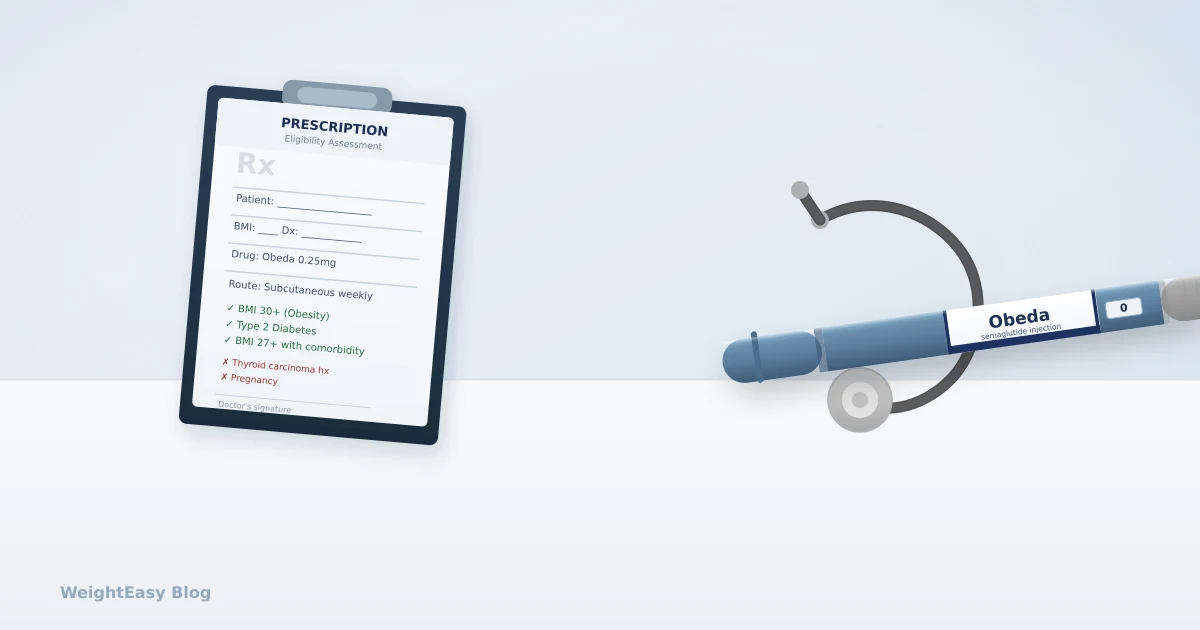
Obeda has made headlines since its launch in India - and rightly so. But that excitement can lead some people to assume it is for everyone who wants to lose weight. It is not.
Obeda is a prescription medicine with specific eligibility criteria. Understanding who it is designed for - and who should not take it - helps you have a more informed conversation with your doctor and avoid potential harm.
Important: Always consult your healthcare provider before starting any medication. This article is for informational purposes only.
Who Is Obeda Designed For?
Obeda (semaglutide) is approved in India for two groups of people:
1. Adults with Type 2 Diabetes
If you have been diagnosed with type 2 diabetes and your blood sugar is not well controlled with existing medication and lifestyle changes, your doctor may consider Obeda as an add-on treatment.
It works particularly well for people with type 2 diabetes who also need to lose weight, because semaglutide addresses both blood sugar and appetite simultaneously.
2. Adults with Obesity or Overweight + Health Condition
For weight management specifically, the eligibility criteria are:
- BMI 30 or above (obesity) - regardless of other conditions
- BMI 27–29.9 (overweight) - if you also have at least one weight-related health condition
Weight-related health conditions that qualify include:
- Type 2 diabetes
- High blood pressure (hypertension)
- High cholesterol (dyslipidaemia)
- Obstructive sleep apnoea
- Cardiovascular disease
What Are the Typical Candidates for Obeda?
Here is what a typical Obeda candidate looks like in real life:
Profile A - The Person with Obesity: A 38-year-old with a BMI of 34, no diabetes yet but struggling to lose weight despite diet attempts. Has high blood pressure. This person likely meets criteria for Obeda for weight management.
Profile B - The Person with Type 2 Diabetes and Overweight: A 52-year-old with type 2 diabetes, BMI of 28, and poorly controlled HbA1c. Obeda can help both blood sugar and weight simultaneously.
Profile C - The Person with PCOS: A 30-year-old woman with PCOS, BMI of 31, and insulin resistance. Semaglutide has shown benefits for PCOS, though this is an area your gynaecologist and endocrinologist should assess together. The Obeda for weight loss results guide covers what realistic outcomes look like.
Who Should NOT Take Obeda?
This is just as important as knowing who it is for.
You should not take Obeda if you have:
- Personal or family history of medullary thyroid carcinoma (MTC) - a specific, rare type of thyroid cancer
- Multiple endocrine neoplasia syndrome type 2 (MEN2) - a rare genetic condition
- Severe gastrointestinal disease - including gastroparesis (delayed stomach emptying)
- History of pancreatitis - discuss carefully with your doctor
- Pregnancy or currently breastfeeding
- Type 1 diabetes - Obeda is not approved for type 1 diabetes management
You should use it with caution and specialist guidance if you have:
- Diabetic retinopathy (eye complications from diabetes)
- Kidney disease
- Heart failure
- History of eating disorders
Always disclose your full medical history to your doctor before starting.
Does Age Matter?
Obeda is approved for adults aged 18 and above in India. There is no upper age limit, but older adults should discuss it with their doctor, especially if they take multiple medications.
Adolescents (under 18) are not eligible under current Indian approvals.
Does It Work Better for Some People Than Others?
Yes, individual responses vary. People tend to get the best results from Obeda when:
- They start at the right time (not after years of other failed medications without lifestyle changes)
- They follow a GLP-1 compatible diet - read what to eat while on Obeda for guidance
- They manage early side effects well, especially nausea in the first few weeks
- They combine the medication with consistent movement and sleep
People who see less benefit often do not make dietary adjustments, stop the medication early due to initial side effects, or have underlying hormonal conditions that make weight loss harder.
How WeightEasy Supports Eligible Users
Getting the eligibility right is your doctor's job. Making the most of Obeda once you start - that is where WeightEasy comes in.
WeightEasy is a GLP-1 support platform tailored to Indian users. It provides personalized diet plans aligned with semaglutide, side effect management guidance, habit coaching, and progress tracking. Whether you are just starting or a few months in, the platform helps you stay on course and see the results the medication is capable of delivering.
If you're starting Obeda, the right support can make a significant difference. WeightEasy helps you stay consistent, manage side effects, and achieve better results.
The Bottom Line
Obeda is not for everyone who wants to lose a few kilos. It is a prescription medicine for people with obesity or type 2 diabetes who meet specific clinical criteria.
If you meet those criteria, it can be genuinely life-changing. If you are unsure whether you qualify, a consultation with your doctor is the right first step.
Consult your healthcare provider before starting any medication.
Sources
- Dr. Reddy's Laboratories - Obeda prescribing information (2026)
- Novo Nordisk STEP trial eligibility criteria for semaglutide 2.4mg
- DCGI approval criteria for semaglutide for weight management in India
- American Diabetes Association - GLP-1 receptor agonists guidelines (2024)
- WeightEasy clinical advisory team
FAQ
What BMI do you need for Obeda?
For weight management, Obeda is typically prescribed to adults with a BMI of 30 or above (obesity), or a BMI of 27 or above with at least one weight-related health condition such as type 2 diabetes, high blood pressure, or high cholesterol.
Can someone without diabetes take Obeda?
Yes. Obeda is approved for chronic weight management in adults without diabetes, provided they meet the BMI criteria. You do not need to have diabetes to qualify.
Can teenagers take Obeda?
Obeda is currently approved for adults (18 and over) in India. Semaglutide use in adolescents is still being studied. Speak to a paediatric specialist if you are considering this for a teenager.
Can I take Obeda if I have thyroid disease?
It depends on the type. Obeda should not be used in people with a personal or family history of medullary thyroid carcinoma or MEN2 syndrome. For other thyroid conditions like hypothyroidism, discuss with your doctor.
Can people with PCOS take Obeda?
Semaglutide has shown promise for PCOS-related weight loss and insulin resistance improvement. However, PCOS patients should consult their gynaecologist or endocrinologist before starting Obeda.
Is Obeda safe during pregnancy?
No. Obeda should not be used during pregnancy. If you become pregnant while on Obeda, stop it and inform your doctor immediately.